Harry and Meghan's Success: Royal Brand vs. Personal Power
Despite restrictions on using the royal brand, Harry and Meghan are thriving. We analyze their success, its implications for the monarchy, and what the future holds.



Despite restrictions on using the royal brand, Harry and Meghan are thriving. We analyze their success, its implications for the monarchy, and what the future holds.
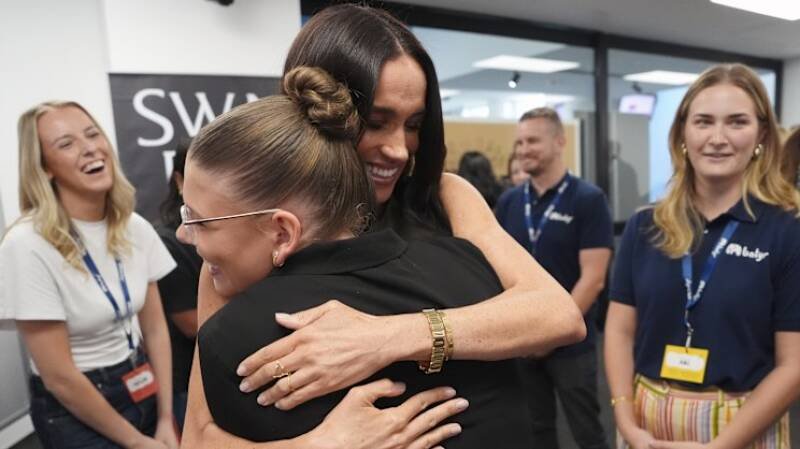
Recent news highlights a fascinating tension within the British Royal Family: Prince Harry and Meghan Markle, the Duke and Duchess of Sussex, are achieving significant success and popularity despite being restricted from leveraging the "royal brand" for commercial gain. This is a situation Buckingham Palace reportedly feared, and it's unfolding in real-time.
Essentially, Harry and Meghan are forbidden from directly profiting from their association with the Crown. However, their recent, highly successful tour of Australia demonstrates that their personal brand – separate and distinct from the formal "Royal Brand" – is incredibly powerful.
The "Royal Brand" refers to the reputation, image, and associated goodwill that the British monarchy holds globally. It carries significant economic and cultural weight. It's the reason countless tourists flock to Buckingham Palace and why royal weddings are watched by billions.
The "Sussex Brand," on the other hand, is the personal brand that Harry and Meghan have cultivated. It's built on their individual personalities, values, and charitable endeavors. While it certainly benefits from their royal connection, it's ultimately driven by *them*.
This situation has significant implications for the Royal Family. It demonstrates that individual members can wield considerable influence independent of the Crown's official brand. This raises questions about the future of the monarchy and the balance of power within it.
The success of Harry and Meghan outside the direct control of the Palace also presents a challenge to traditional royal protocols and hierarchies. Their ability to connect with the public on a personal level, bypassing some of the formality associated with the Royal Family, is undeniably appealing.
In our opinion, Harry and Meghan's success is a testament to their savvy understanding of modern media and public relations. They have carefully crafted a brand that resonates with younger, more diverse audiences. Their focus on social issues, combined with their relatable personalities, has made them incredibly popular.
The Palace's reported fears are understandable. They're essentially trying to manage a situation where individuals who were once firmly under their control are now operating with a degree of autonomy. This could impact the overall control the Palace has on the narrative of the Royal Family.
One key factor in Harry and Meghan's success is their perceived authenticity. While the Royal Family is often seen as stuffy and out of touch, Harry and Meghan have presented themselves as more down-to-earth and relatable. This has resonated with a public increasingly skeptical of traditional institutions.
The long-term implications of this situation remain to be seen. Will the Royal Family adapt and embrace the changing dynamics, or will they continue to try to exert control over Harry and Meghan? The answer to this question will shape the future of the monarchy.
It is crucial for Buckingham Palace to acknowledge and adapt to the changing landscape of media and public relations. Trying to strictly control every aspect of the Royal Family's image may prove increasingly difficult in the digital age. In our opinion, a more collaborative and flexible approach could be beneficial for both the Royal Family and Harry and Meghan in the long run.
Ultimately, Harry and Meghan's story is a fascinating case study in personal branding, public perception, and the evolving role of the monarchy in the 21st century.