Trump's "Ended 10 Wars" Claim: Fact vs. Fiction and the Online Backlash
Donald Trump claims he ended 10 wars, sparking online debate and "Israeli puppet" digs. We analyze the claim, its accuracy, and potential implications.
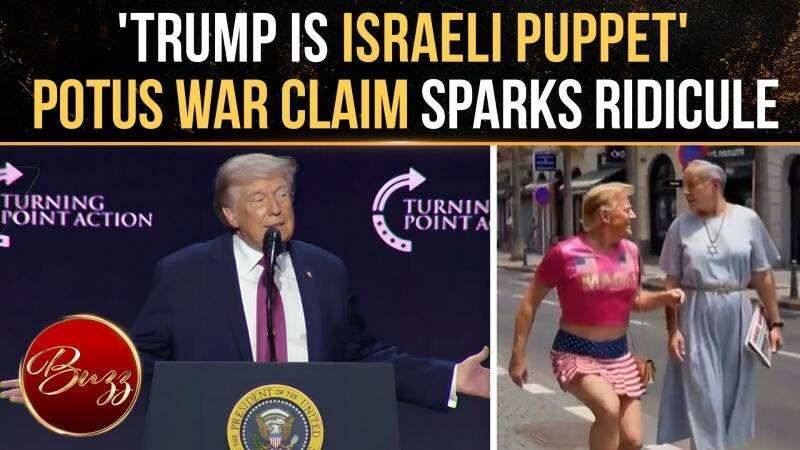



Donald Trump claims he ended 10 wars, sparking online debate and "Israeli puppet" digs. We analyze the claim, its accuracy, and potential implications.
Former President Donald Trump recently ignited a firestorm with claims that he "ended 10 wars," including conflicts involving Iran and Lebanon. This assertion, made at a Turning Point USA event, quickly went viral, provoking sharp criticism and intense scrutiny online. But how much truth is there to Trump's claim?
During his speech, Trump doubled down on previous statements about his role in de-escalating global conflicts. He specifically suggested that his administration prevented or resolved conflicts involving Iran and Lebanon. These are significant claims considering the long-standing tensions in these regions.
The online response was immediate and largely skeptical. Many social media users and political commentators questioned the accuracy of Trump's statement, pointing out that conflicts in the Middle East, while perhaps not escalating into full-blown wars, remained complex and unresolved during his presidency. Furthermore, some online discussions devolved into disparaging remarks targeting Trump, including the resurfacing of the phrase "Israeli puppet," highlighting a sensitive area of debate around US foreign policy in the region.
This news is important for several reasons. First, it highlights the ongoing debate surrounding the legacy of Trump's foreign policy. Claims like these are designed to shape public perception and influence future political discussions. Second, it underscores the power of social media in amplifying and scrutinizing political narratives. The rapid spread of Trump's statement and the subsequent backlash demonstrate how quickly information and opinions can disseminate online. Finally, it points to the complex relationship between the US and nations like Iran and Lebanon, reminding us that any claims of "ending" conflicts in these regions require careful examination.
In our opinion, Trump's claim of "ending 10 wars" is a significant exaggeration. While his administration engaged in diplomatic efforts and avoided large-scale military interventions in certain areas, it's a stretch to say that any conflicts were definitively "ended." The underlying tensions and complex political landscapes in countries like Iran and Lebanon remained largely unchanged. Furthermore, some of Trump's policies, such as withdrawing from the Iran nuclear deal, arguably exacerbated regional instability.
The online reaction, including the unfortunate use of the term "Israeli puppet," reveals a deeper, more troubling aspect of political discourse. It highlights how quickly discussions about foreign policy can devolve into personal attacks and potentially harmful stereotypes. It is important to be critical of claims from political leaders and to analyze them with nuanced understanding.
This event could impact future discussions regarding US foreign policy. Here's how:
Looking ahead, it's crucial for voters and policymakers to critically assess the accuracy of claims made by political leaders and engage in informed discussions about the complexities of international relations. Oversimplifying complex issues like war and peace does a disservice to the nuances of these situations and can lead to misguided policy decisions. A measured approach, based on evidence and careful consideration, is essential for navigating the complexities of global politics.