Trump Voting Restrictions: How They Live On in State Laws
Despite federal setbacks, Trump-era voting restrictions are finding new life in state laws across the US. Learn how these measures impact voters and what the future holds.



Despite federal setbacks, Trump-era voting restrictions are finding new life in state laws across the US. Learn how these measures impact voters and what the future holds.
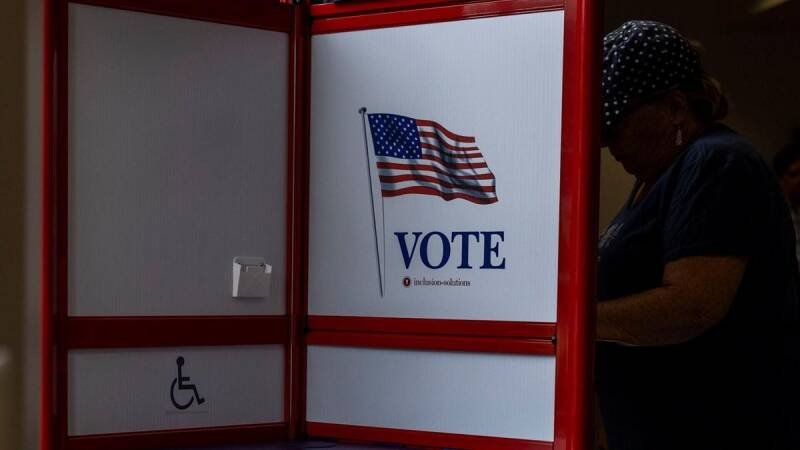
While a sweeping federal bill aimed at enacting tighter voting restrictions championed during the Trump administration ultimately failed to pass, the spirit of those restrictions is alive and well in state legislatures across the country. Voting rights advocates are sounding the alarm, warning that elements of this failed federal push are being replicated in numerous state laws, potentially disenfranchising voters in the upcoming elections.
Following the 2020 election, a wave of allegations of voter fraud, many unsubstantiated, fueled a push for more restrictive voting laws. A central, federal-level effort to codify these restrictions ultimately stalled, facing opposition in Congress. However, the ideas behind that effort have found fertile ground at the state level.
According to voting rights groups, at least 23 states have enacted laws or are seriously considering legislation that mirrors elements of the failed federal proposals. These measures often include stricter voter ID requirements, limitations on absentee voting, and restrictions on ballot drop boxes. A particular concern revolves around voter ID laws, which advocates argue disproportionately affect minority voters, low-income individuals, and the elderly, who may lack the required forms of identification.
This news matters because it highlights the ongoing battle over access to the ballot box in the United States. Even without federal action, state-level changes can significantly impact voter turnout and the fairness of elections. Stricter ID laws, for example, can create unnecessary hurdles for eligible voters, potentially suppressing participation. If passed, such changes could determine election outcomes, especially in closely contested races.
In our opinion, the continued push for these restrictions at the state level represents a concerning trend. While proponents argue that these laws are necessary to prevent voter fraud, there is little evidence to support claims of widespread fraud that would justify such sweeping changes. Instead, these measures appear to be aimed at making it harder for certain demographics to vote, potentially skewing election results. The focus should be on expanding access to the ballot box and ensuring that all eligible citizens can exercise their right to vote, not on creating unnecessary obstacles. The risk to democracy increases when access to vote is restricted.
These state laws could impact voters in several ways:
The future of voting rights in the US remains uncertain. We anticipate continued legal challenges to these state laws, as voting rights groups argue that they violate the Constitution and the Voting Rights Act. The outcome of these legal battles will have a significant impact on the accessibility of elections in the years to come. This could impact the results of the 2024 Presidential election and beyond. Activist groups will likely be mobilizing to help register voters and educate them about any new voting laws.
Furthermore, the fight over voting rights is likely to become even more partisan. As elections become more closely contested, both parties will likely seek to gain a competitive advantage through changes to voting laws. It's important for citizens to stay informed about these changes and advocate for policies that promote fair and accessible elections for all. In our opinion, informed engagement is essential to safeguarding the integrity of the democratic process.