Indigenous Deaths in Custody: 35 Years of Unmet Promises
35 years after the Royal Commission into Aboriginal Deaths in Custody, over 600 Indigenous Australians have died. Why have the recommendations been ignored, and what does the future hold?
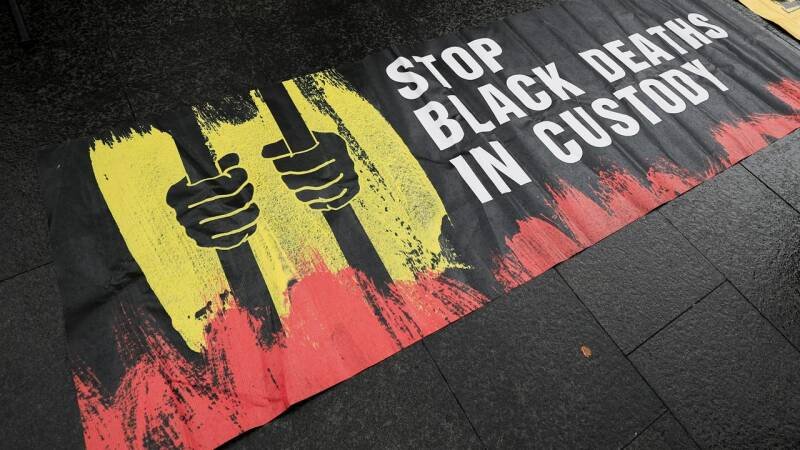



35 years after the Royal Commission into Aboriginal Deaths in Custody, over 600 Indigenous Australians have died. Why have the recommendations been ignored, and what does the future hold?
Thirty-five years ago, the Royal Commission into Aboriginal Deaths in Custody delivered a landmark report filled with recommendations aimed at preventing future tragedies. Yet, the stark reality is that over 600 Indigenous Australians have died in custody since then. This staggering statistic paints a grim picture of a system seemingly failing to protect its most vulnerable citizens.
The Royal Commission was established in 1987 in response to growing public concern over the disproportionately high number of Indigenous people dying in police custody and prisons. Its final report, released in 1991, detailed systemic issues contributing to these deaths and provided 339 recommendations for reform. These recommendations covered a wide range of areas, including policing practices, justice system reforms, and social and economic policies aimed at addressing the root causes of Indigenous disadvantage.
Despite the comprehensive nature of the report, many of its key recommendations have been either ignored or implemented inadequately. This has led to a cycle of despair and mistrust within Indigenous communities, who feel that their lives are not valued and that the justice system is biased against them.
The ongoing deaths of Indigenous people in custody represent a deep stain on Australia's national identity. It highlights the persistent inequalities faced by Indigenous Australians and the failure of successive governments to address systemic racism within the justice system. This issue is not just a statistic; it represents hundreds of families grieving the loss of loved ones and a continuing legacy of injustice that undermines any real reconciliation efforts.
Furthermore, the lack of progress in this area erodes public trust in institutions and fuels social division. Addressing this issue is crucial for building a fairer and more equitable society for all Australians.
In our opinion, the continued deaths in custody are a direct consequence of a lack of political will to implement meaningful change. While some progress has been made in certain areas, such as improving police training and oversight, the underlying systemic issues remain largely unaddressed. These issues include:
The Royal Commission's recommendations were not just about reforming the justice system; they were about addressing the broader social and economic inequalities that contribute to Indigenous disadvantage. Until these root causes are addressed, deaths in custody will continue to occur.
The future requires a renewed commitment to implementing the Royal Commission's recommendations in full, as well as taking bolder steps to address systemic racism and social inequality. This includes:
This could impact the lives of countless Indigenous families and build a more just and equitable society. However, without sustained effort and genuine commitment, the cycle of grief and injustice will continue. We believe the time for action is now.