Malcolm Macdonald's Newcastle Exit: 50 Years Later & Why It Still Matters
Remembering Malcolm Macdonald's departure from Newcastle United in 1976, exploring its lasting impact and what it tells us about football today.
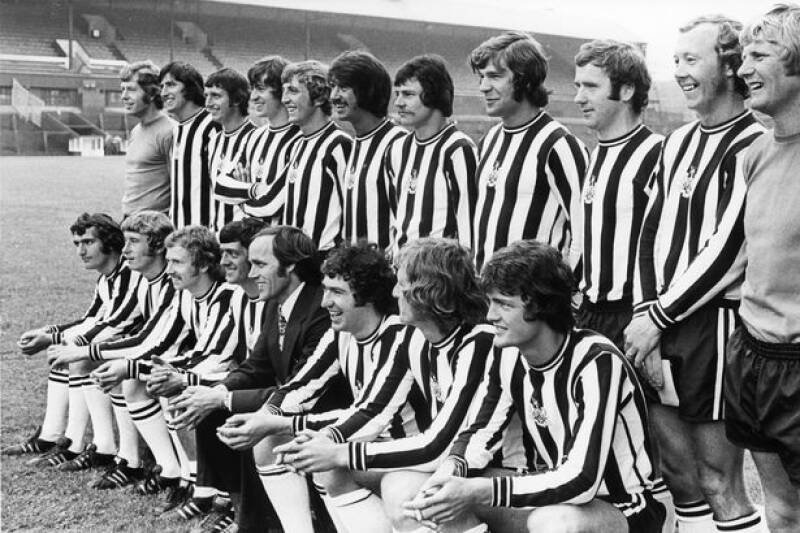



Remembering Malcolm Macdonald's departure from Newcastle United in 1976, exploring its lasting impact and what it tells us about football today.
Fifty years ago, Newcastle United fans faced a gut-wrenching reality: their beloved centre-forward, Malcolm "Supermac" Macdonald, was leaving St. James' Park. At the end of the 1975-76 season, Macdonald, a terrace idol and arguably the club's biggest star at the time, departed for Arsenal. This event, still resonating with fans today, offers a glimpse into the changing dynamics of football, the relationship between players and clubs, and the heartbreak of seeing a hero leave.
Malcolm Macdonald wasn't just a player; he was a phenomenon. Arriving from Luton Town in 1971, he quickly became a symbol of Newcastle's attacking flair. His goals were spectacular, his charisma infectious, and his connection with the fans unbreakable. He was the embodiment of what it meant to be a Newcastle player – passionate, committed, and capable of moments of brilliance.
The transfer to Arsenal wasn't simply a move; it was a seismic shift. While financial details were a factor (Arsenal offered better wages), the reasons were complex. Macdonald reportedly felt undervalued by the Newcastle board and sought a new challenge. The move shocked the Newcastle faithful, who felt betrayed and heartbroken by the departure of their talisman.
Macdonald's departure highlights several key themes that remain relevant in football today:
In our opinion, Macdonald's transfer was a pivotal moment in Newcastle's history. It marked the end of an era and highlighted the fragility of even the strongest player-club relationships. While Macdonald's reasons for leaving were personal and professional, the impact on Newcastle fans was undeniable.
It's tempting to look back with rose-tinted glasses, but it’s important to remember the context. Football in the 1970s was a different world. Wages were lower, player movement was less frequent, and the connection between players and fans felt more intimate. Macdonald's decision to leave, therefore, felt like a profound betrayal to some.
This could impact how current players and fans view similar situations. Learning from the past can help clubs better manage player relations and fan expectations. Clubs need to proactively address player concerns and demonstrate a genuine commitment to their stars to minimize the risk of losing them.
The story of Malcolm Macdonald's departure serves as a timeless reminder of the complexities of football. As the game continues to evolve, with ever-increasing financial stakes and player mobility, the lessons of "Supermac's" exit remain relevant.
We believe that clubs need to prioritize building strong relationships with their players and actively engage with their fan base. Transparency and communication are key to managing expectations and preventing similar situations from escalating.
Ultimately, the legacy of Malcolm Macdonald at Newcastle remains strong. He is still revered as a legend, and his departure, while painful, serves as a reminder of the passion, emotion, and sometimes heartbreak that are inherent in the beautiful game.