Modi Accuses TMC of Blocking Women's Representation: Analysis and Future Impact
PM Modi accuses TMC of opposing women's quota bill. We analyze the political implications, future outlook, and why this matters for Indian democracy.



PM Modi accuses TMC of opposing women's quota bill. We analyze the political implications, future outlook, and why this matters for Indian democracy.
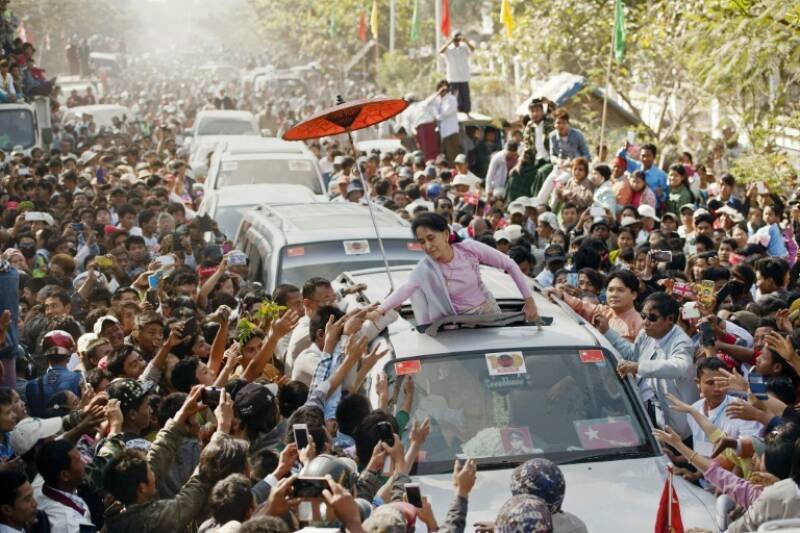
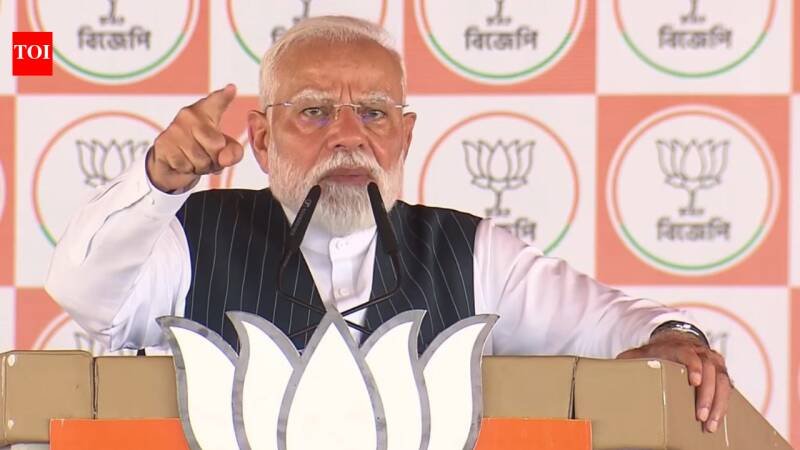
Prime Minister Narendra Modi has recently intensified his criticism of the Trinamool Congress (TMC) regarding the stalled Women's Reservation Bill. Speaking at a rally in Bankura, West Bengal, Modi alleged that the TMC actively worked against the passage of the bill, which aims to reserve 33% of seats in the Lok Sabha and state legislative assemblies for women.
Modi directly accused the TMC of not wanting more women as Members of the Legislative Assembly (MLAs) and Members of Parliament (MPs). He stated that the party's actions demonstrated a resistance to greater political representation for women. The Prime Minister's remarks are a significant escalation in the ongoing political battle between the BJP and the TMC, particularly in the politically sensitive state of West Bengal.
The Women's Reservation Bill has been a long-debated issue in Indian politics. Its purpose is to address the historical underrepresentation of women in political office. The passage of such a bill could significantly alter the political landscape by ensuring greater gender balance in decision-making bodies. Accusations of obstructing this bill are serious, as they raise questions about a party's commitment to gender equality and social justice. If true, this indicates TMC may not be prioritizing the advancement of women in politics. It is important to know where your leaders stand on these issues.
In our opinion, Modi's accusations are strategically timed, likely aimed at swaying public opinion in West Bengal, where the TMC holds significant power. West Bengal is a key state for both parties, and the issue of women's representation is a potent one. By framing the TMC as an obstacle to women's empowerment, the BJP hopes to gain political ground and garner support, especially among female voters.
It's important to note that the political dynamics surrounding the Women's Reservation Bill are complex. While there is broad support for the bill in principle, disagreements exist on the specifics, such as the method of implementation and potential reservations for other marginalized groups within the women's quota. It's possible the TMC's reservations stem from these technicalities, not simply opposition to the idea. However, Modi's framing paints a clear picture of TMC's obstruction.
The accusations could impact the upcoming elections and political alignments. This could impact the support TMC recieves, and conversely, the BJP could gain support through these accusations. Here's a look at the future:
The BJP will likely continue to highlight the TMC's alleged opposition to the bill as a key campaign point. Conversely, the TMC will likely defend its position, potentially arguing for a more nuanced approach to women's reservation that addresses other social justice concerns.
Ultimately, the resolution of this issue and the future of the Women's Reservation Bill will depend on the willingness of all political parties to engage in constructive dialogue and prioritize the goal of achieving greater gender equality in Indian politics.