Iran Reviews US Proposals: Will Tensions Ease in the Strait of Hormuz?
Iran is analyzing US proposals delivered by Pakistan's army chief. Could this lead to a breakthrough in reopening the Strait of Hormuz? We break down the implications and future outlook.
Iran Scrutinizes US Plan, Rejects Hormuz Reopening Demands
Iran has announced that it's carefully considering new proposals from the United States. According to reports, these proposals were delivered by Pakistan's army chief, Asim Munir, during a recent visit to Tehran. The Iranian Supreme National Security Council confirmed the receipt and ongoing evaluation of the proposals.
Pakistan as a Mediator
The fact that Pakistan is acting as an intermediary is significant. It highlights the complex diplomatic landscape and the need for trusted third parties to facilitate communication between Iran and the US, who have a history of strained relations. Munir's involvement suggests Pakistan's willingness to play a constructive role in regional stability.
Rejection of Hormuz Demands
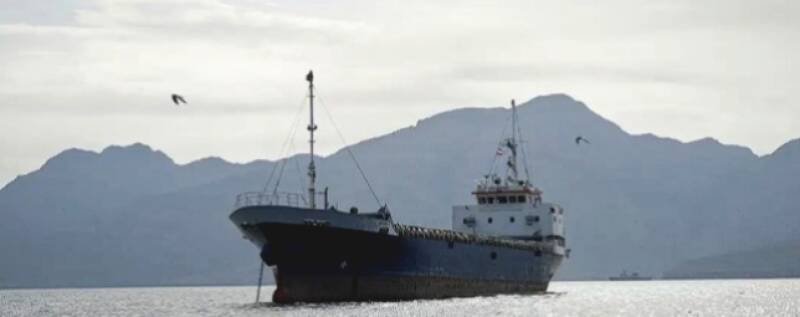
However, the initial reports also indicate that Iran has already rejected certain US demands related to reopening the Strait of Hormuz. The Strait of Hormuz is a vital shipping lane for global oil supplies, and any disruption there can have significant economic consequences. This rejection underscores the challenges ahead in reaching a comprehensive agreement.
Why This News Matters
This news is critical for several reasons:
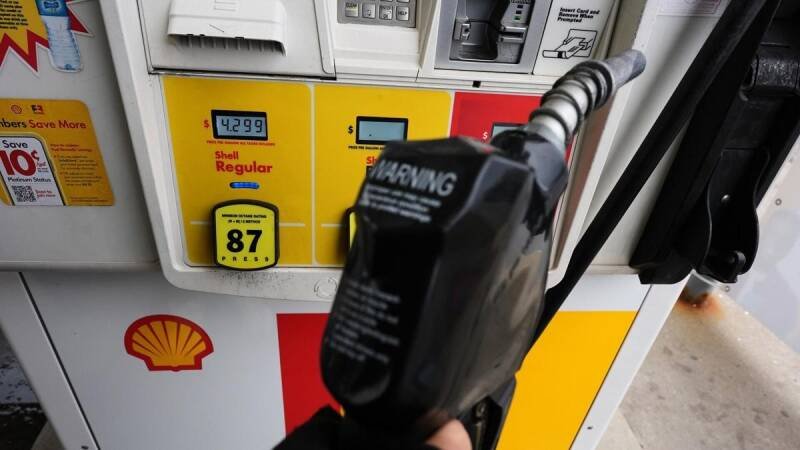
- Global Oil Supply: The Strait of Hormuz is a crucial chokepoint for oil shipments. Any tension or blockage could send oil prices soaring, impacting consumers worldwide.
- Regional Stability: The ongoing tensions between Iran and the US have destabilized the Middle East. A potential diplomatic breakthrough could pave the way for a more peaceful and secure region.
- Nuclear Deal Revival: This development might be linked to efforts to revive the Iran nuclear deal (JCPOA). Easing tensions could create a more favorable environment for negotiations.
Our Analysis
In our opinion, the fact that both sides are even engaging in indirect communication is a positive sign. The willingness to consider proposals suggests a shared interest in de-escalation, even if significant disagreements remain.
The rejection of demands related to the Strait of Hormuz is not surprising. Iran likely views control of the Strait as a matter of national sovereignty and security. Any agreement will need to address these concerns while ensuring the safety and freedom of navigation for all vessels.
This could impact the global economy significantly if the tensions around the strait escalates. The use of Pakistan as a mediator speaks to the lack of trust between US and Iran.
Future Outlook
The future hinges on whether Iran and the US can find common ground on key issues. Here are some potential scenarios:
- Breakthrough: Continued dialogue and compromise could lead to a gradual easing of tensions, potentially paving the way for a revived nuclear deal and increased regional stability.
- Stalemate: If the two sides remain entrenched in their positions, the current stalemate will persist, increasing the risk of miscalculation and escalation.
- Escalation: A breakdown in communication could lead to heightened tensions, potentially resulting in military confrontation in the region.
The coming weeks will be crucial in determining the trajectory of US-Iran relations. We will continue to monitor the situation closely and provide updates as they become available.
Ultimately, a lasting solution will require a comprehensive approach that addresses the underlying causes of tension and promotes mutual trust and respect. In our opinion, the involvement of regional players like Pakistan could be instrumental in achieving this goal.