Middle East Conflict Fuels Debate on Free Subway Rides for Korean Seniors
How the Middle East conflict and rising oil prices are impacting the debate over free subway rides for senior citizens in Korea. Explore the arguments, financial implications, and future outlook.
Middle East Conflict Fuels Debate on Free Subway Rides for Korean Seniors
Middle East Conflict Fuels Debate on Free Subway Rides for Korean Seniors
A complex interplay of global events and local policies is unfolding in South Korea. The ongoing conflict in the Middle East, which is impacting global oil supplies and prices, has indirectly fueled a renewed debate regarding free subway rides for senior citizens. This policy, designed to support the elderly, is now facing increased scrutiny due to its financial implications and the pressures brought on by rising energy costs.
The Core of the Issue
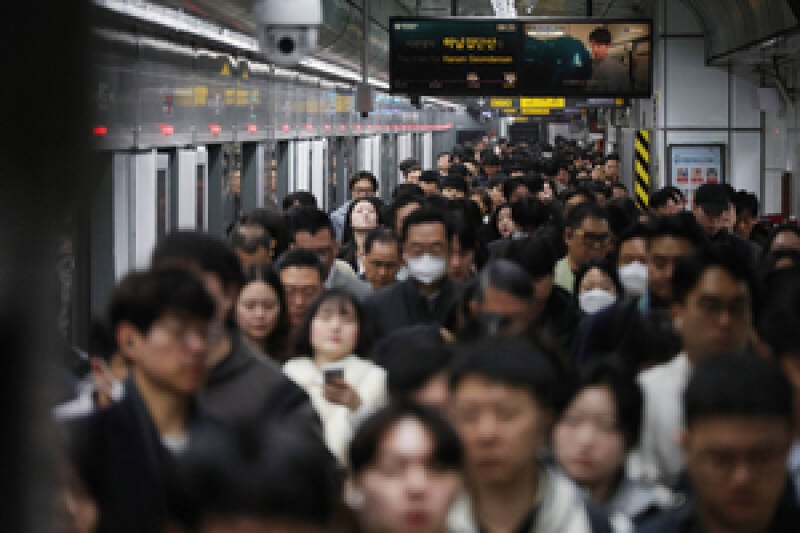
For years, senior citizens in South Korea have enjoyed the benefit of free subway rides, particularly during off-peak hours. This initiative aimed to provide affordable transportation and promote social inclusion for the elderly. However, as the population ages and the costs associated with public transportation increase, concerns about the policy's sustainability have surfaced.
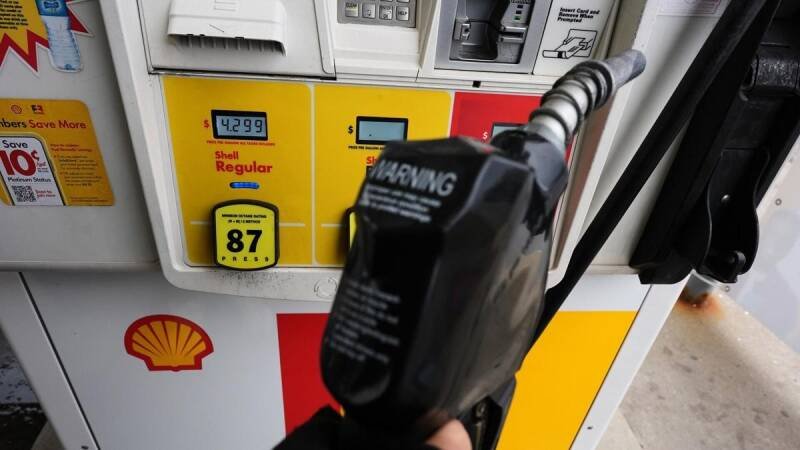
The current surge in oil prices, directly linked to the instability in the Middle East, is putting further strain on public transportation budgets. This has triggered discussions about whether the free ride policy is still viable in the face of growing financial burdens.
Arguments For and Against
The debate centers around several key points:
- Equity: Supporters argue that free subway rides are essential for ensuring that elderly citizens, many of whom are on fixed incomes, can access essential services and maintain social connections.
- Congestion Relief: The policy encourages off-peak travel, potentially alleviating rush-hour congestion.
- Financial Sustainability: Critics contend that the policy places a significant financial burden on already strained public transportation systems, particularly as the senior population continues to grow. They suggest exploring alternative solutions, such as targeted subsidies or tiered pricing.
Why This News Matters
This situation highlights the interconnectedness of global events and local policies. What happens in the Middle East, particularly regarding oil production and political stability, can have tangible consequences for domestic social programs in countries like South Korea. It forces a re-evaluation of existing social welfare policies in the context of evolving economic realities. The outcome of this debate could set a precedent for other nations grappling with similar challenges related to aging populations and rising costs.
Our Analysis
In our opinion, a balanced approach is needed. Simply eliminating the free ride policy would disproportionately impact vulnerable seniors. Instead, a comprehensive review of public transportation funding models is necessary. This could involve exploring alternative revenue streams, optimizing operational efficiency, and implementing targeted support programs for low-income seniors. The conversation needs to shift from simply cutting costs to finding sustainable and equitable solutions.
Furthermore, the impact of oil price fluctuations on public transportation budgets needs to be better addressed. Hedging strategies and investments in renewable energy sources could mitigate the vulnerability of the system to global geopolitical events.
Future Outlook
The future of free subway rides for seniors in South Korea remains uncertain. Several possible scenarios could unfold:
- Policy Reform: The government might implement changes to the policy, such as restricting free rides to specific times or income levels.
- Increased Funding: Public transportation systems could receive increased government funding to offset the costs of the free ride program.
- Technological Solutions: The use of smart cards and data analytics could help optimize the program and identify areas for improvement.
This could impact senior citizens greatly. Finding the correct solution here will be key to public relations.
Ultimately, the resolution of this debate will require a collaborative effort involving government officials, transportation authorities, and advocacy groups for senior citizens. A solution that balances financial sustainability with social equity is crucial for ensuring the well-being of South Korea's aging population.