Trump-Linked Drone Interceptors: Gulf States and US Dependence
A company with ties to the Trump family seeks to sell drone interceptors to Gulf states facing Iranian threats. Our analysis of the deal's implications and the future outlook.



A company with ties to the Trump family seeks to sell drone interceptors to Gulf states facing Iranian threats. Our analysis of the deal's implications and the future outlook.
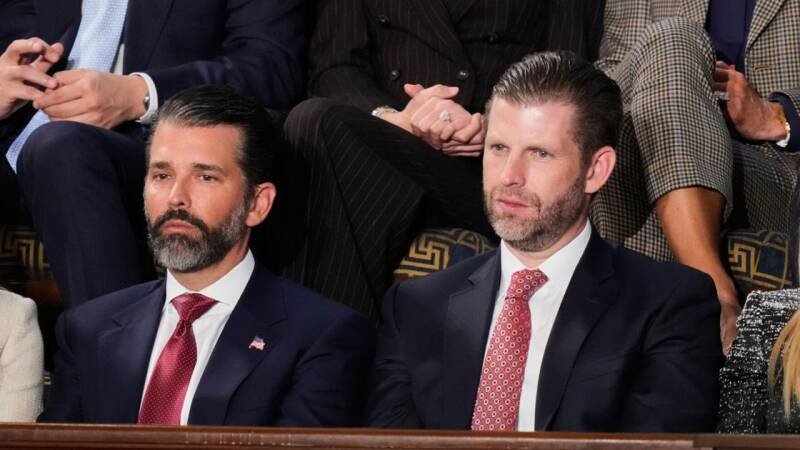
A company with connections to Donald Trump Jr. and Eric Trump is reportedly attempting to sell drone interception technology to Gulf nations. These countries, facing heightened tensions and attacks, particularly from Iran, are heavily reliant on the United States for security. This potential deal raises questions about the intersection of business, politics, and national security in a volatile region.
The company in question, while not explicitly named in the original report, is pitching its drone defense systems as a solution to the growing threat of drone attacks. The Gulf States, specifically Saudi Arabia and the United Arab Emirates, have experienced an increase in drone activity, often attributed to Iranian-backed groups. These attacks have targeted critical infrastructure, highlighting a vulnerability in their defense capabilities.
For decades, the US has played a significant role in the security of the Gulf region. This includes providing military hardware, training, and intelligence support. The potential sale of drone interceptors adds another layer to this relationship. It also raises the question of whether Gulf states can eventually achieve greater self-sufficiency in defense, or if they will remain reliant on foreign technology and expertise.
This potential deal is significant for several reasons:
In our opinion, this situation presents a multifaceted challenge. On one hand, providing defensive technology to allies facing legitimate threats is a reasonable course of action. On the other hand, the involvement of individuals with potential conflicts of interest, coupled with the already sensitive geopolitical landscape, demands careful scrutiny.
It's crucial to consider the long-term impact of these sales. While these systems might provide a short-term solution, they don't address the underlying causes of regional instability. Furthermore, the reliance on US-linked technology could perpetuate a cycle of dependence.
The ties between the company and the Trump family are undeniable. This could impact the perception of impartiality, both within the US and internationally. Any decision regarding this sale needs to be transparent and based solely on national security interests, not on personal or political connections.
The future likely holds several key developments:
Ultimately, the success of this potential deal, and its long-term impact, will depend on a delicate balancing act between national security interests, ethical considerations, and regional stability. Only time will tell how these factors will play out.