Trump Declares Iran War "Over": Analysis & Future Implications
Donald Trump claims the Iran war is "over" despite ongoing tensions and future peace talks. We analyze the implications and what this means for global security.
Trump Declares Iran War "Over": What Does It Really Mean?
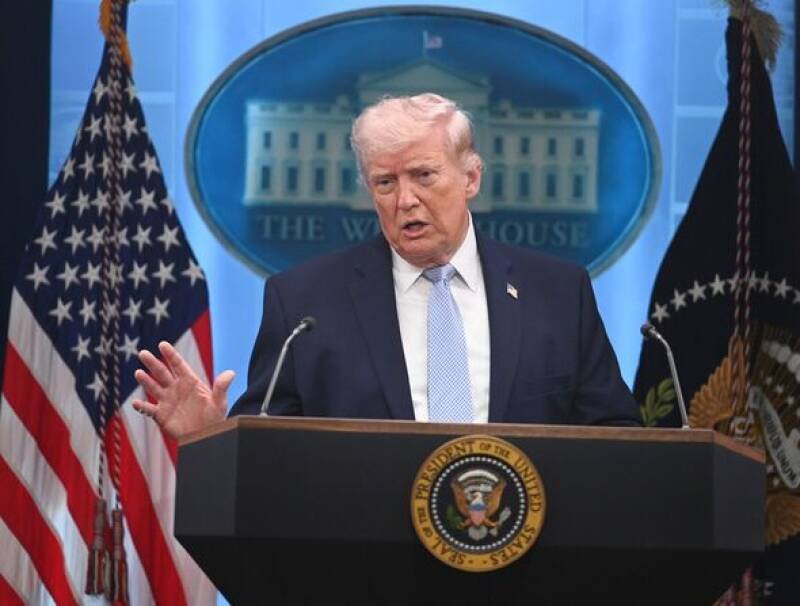
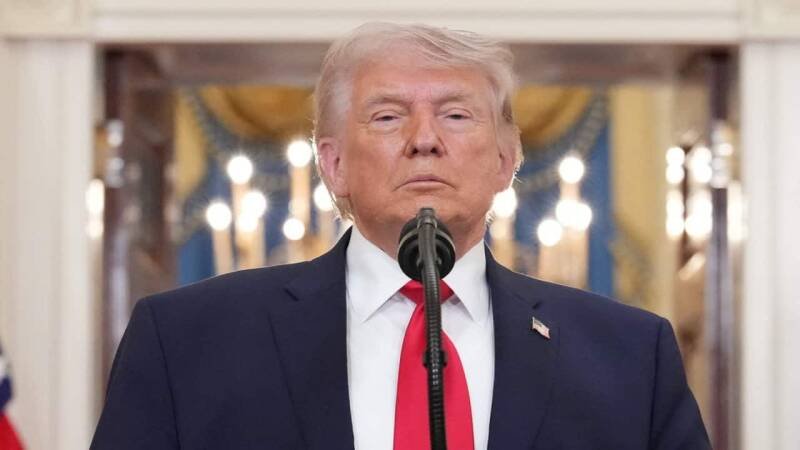
Donald Trump has made a bold statement, declaring the "Iran war" to be "over." This pronouncement comes even as his administration is reportedly trying to organize a second round of peace talks. But what exactly does this declaration mean, and what are the implications for the region and the world?
The Claim: "It's Over"
Trump's seemingly definitive statement has raised eyebrows, particularly given the ongoing tensions between the US and Iran. While there hasn't been a formal declaration of war, the two countries have been engaged in proxy conflicts and a war of words for years. Sanctions imposed by the US on Iran have crippled its economy, adding fuel to the fire.
Context: A History of Tensions
To understand the significance of Trump's statement, it’s essential to acknowledge the complex history between the US and Iran. The relationship has been fraught with challenges since the 1979 Iranian Revolution. Disputes over Iran's nuclear program, regional influence, and support for proxy groups have led to heightened tensions and near-conflict situations.
The imposition of sanctions by the US, especially after withdrawing from the Iran nuclear deal (JCPOA), has significantly strained Iran's economy and sparked further instability. This backdrop makes Trump’s seemingly abrupt declaration all the more surprising.
Why This News Matters
Trump's statement, while seemingly optimistic, has significant implications:
* **Potential De-escalation:** The statement *could* signal a willingness on the part of the US to de-escalate tensions with Iran. This is a crucial step towards stability in the Middle East.
* **Rhetorical Strategy:** However, it *could* also be a strategic move aimed at portraying strength and control. It's possible Trump is trying to project an image of success, even if the reality on the ground is more complex.
* **Impact on Peace Talks:** The declaration *could* influence the dynamics of any future peace talks, potentially setting a different tone for negotiations.
* **Domestic Politics:** We believe this statement also serves domestic political purposes, allowing Trump to claim a foreign policy victory.
Our Analysis
In our opinion, Trump's declaration is a complex mix of diplomacy and political maneuvering. While the *hope* is that it represents a genuine desire for de-escalation, the reality is likely more nuanced.
The timing of the statement, with potential peace talks on the horizon, suggests a strategic attempt to gain leverage. By declaring the "war" over, Trump might be trying to frame future negotiations as a sign of his success.
It's also important to consider the domestic political context. With an upcoming election, presenting a narrative of successful foreign policy achievements *could* be a priority.
The true test of this declaration will be in the actions that follow. Will the US ease sanctions, engage in meaningful dialogue, and work towards a more stable relationship with Iran? Or will this just be a short term statement?
Future Outlook
The future of US-Iran relations remains uncertain. Several factors will play a crucial role in shaping the path forward:
* **Peace Talks:** The success or failure of any future peace talks will be paramount. Meaningful dialogue and a willingness to compromise on both sides are essential.
* **Sanctions:** The future of US sanctions on Iran will significantly impact the country's economy and its willingness to negotiate. A gradual easing of sanctions *could* create a more conducive environment for diplomacy.
* **Regional Dynamics:** The role of regional actors, such as Saudi Arabia and Israel, will also influence the situation. Their concerns and interests need to be addressed for any lasting peace to be achieved.
* **US Elections:** The outcome of the upcoming US elections *could* drastically alter US foreign policy towards Iran. A change in administration *could* lead to a different approach, potentially reviving the JCPOA.
Ultimately, while Trump's statement might offer a glimmer of hope for de-escalation, a long and arduous path lies ahead. Sustained diplomatic efforts, a willingness to compromise, and a commitment to addressing the underlying issues are necessary for lasting peace and stability in the region. We believe that future events will provide a more accurate measure of whether the "war" is truly "over."