WA Leaders Call for Indigenous Justice Reform: Royal Commission Anniversary
34 Aboriginal leaders and human rights experts in Western Australia demand urgent justice system reform on the 35th anniversary of the Royal Commission into Aboriginal Deaths in Custody. Learn why this matters and what the future holds.
WA Leaders Call for Indigenous Justice Reform on Royal Commission Anniversary
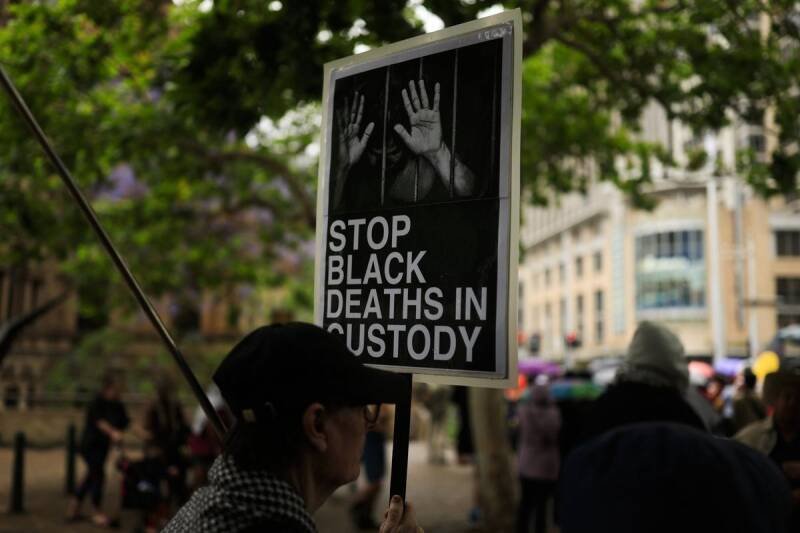
Thirty-four prominent Aboriginal community leaders and human rights experts in Western Australia have issued an open letter urging immediate and significant reform to the justice system. Their plea comes on the 35th anniversary of the Royal Commission into Aboriginal Deaths in Custody, a landmark inquiry that exposed deep systemic issues.
The Royal Commission: A History of Unfulfilled Promises
The Royal Commission, established in 1987 and concluding in 1991, investigated the deaths of 99 Aboriginal and Torres Strait Islander people in custody. It made 339 recommendations designed to address the underlying causes of incarceration and improve the relationship between Indigenous communities and the justice system. However, many of these recommendations remain unimplemented or inadequately addressed, contributing to the ongoing over-representation of Indigenous people in prisons.
Despite decades of reports, inquiries, and promises, the situation has arguably worsened for Aboriginal Australians in contact with the law. The open letter highlights the continuing disproportionate rates of Indigenous incarceration, police brutality, and deaths in custody. It paints a picture of a system that fails to protect and often actively harms Indigenous lives.
Why This News Matters
This news is crucial for several reasons. Firstly, it shines a spotlight on the persistent failure of successive governments to address the root causes of Indigenous disadvantage within the justice system. The anniversary serves as a stark reminder of unfulfilled promises and the ongoing human cost of inaction.
Secondly, it amplifies the voices of Aboriginal leaders and experts who are demanding systemic change. Their perspectives and experiences are vital for shaping effective and culturally appropriate reforms. Ignoring these voices perpetuates the cycle of injustice.
Finally, this issue speaks to broader themes of human rights, equality, and social justice within Australia. The treatment of Indigenous Australians within the justice system is a litmus test for the nation's commitment to these fundamental principles.
Our Analysis
In our opinion, the open letter is a powerful indictment of the Australian justice system. The fact that key recommendations from the Royal Commission remain unimplemented after 35 years is simply unacceptable. This suggests a lack of political will and a failure to prioritize the well-being of Indigenous communities.
The core issue is not simply about law enforcement; it's about addressing the social and economic factors that contribute to Indigenous people's involvement with the justice system. These factors include poverty, lack of access to education and employment, intergenerational trauma, and systemic discrimination.
Effective reform requires a multi-faceted approach that includes:
- Investing in culturally appropriate prevention and early intervention programs.
- Addressing the underlying causes of crime, such as poverty and inequality.
- Implementing restorative justice approaches that focus on healing and reconciliation.
- Improving police accountability and transparency.
- Empowering Indigenous communities to participate in decision-making processes.
Future Outlook
The future outlook is uncertain. While there is growing awareness of the need for justice reform, translating that awareness into concrete action will be a challenge. The willingness of governments to commit to meaningful change, including allocating sufficient resources and addressing systemic biases, will be crucial.
This could impact the political landscape as well. Continued inaction could fuel further social unrest and damage Australia's international reputation on human rights. On the other hand, a genuine commitment to reform could lead to improved outcomes for Indigenous communities, a more just and equitable society, and a stronger national identity.
Ultimately, the success of any reform effort will depend on the genuine partnership between governments, Indigenous communities, and other stakeholders. It requires a willingness to listen, learn, and act in a way that respects the rights and dignity of all Australians.