US Navy Halts Iran-Linked Oil Tankers: Understanding the Implications
The US Navy recently stopped eight oil tankers linked to Iran. Learn about the incident, why it matters, expert analysis, and future implications for global oil markets and US-Iran relations.
US Navy Intercepts Iran-Linked Oil Tankers
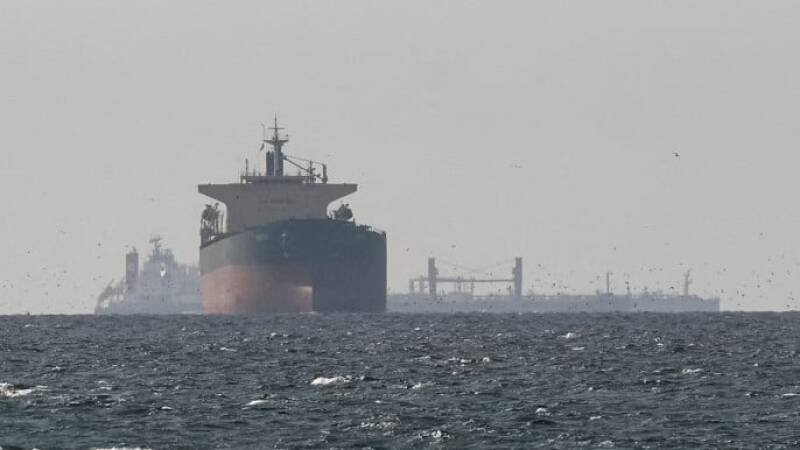
In a recent development highlighting ongoing tensions in the Middle East, the US Navy reportedly intercepted eight oil tankers believed to be linked to Iran. According to sources cited by the Wall Street Journal, US forces contacted the vessels via radio communication as they departed from or approached Iranian ports. They instructed these tankers to turn back.
This action represents a direct intervention aimed at enforcing sanctions imposed on Iran and preventing the country from exporting its oil. While details remain somewhat sparse, the incident underscores the United States' continued commitment to restricting Iran's oil revenue streams. This is a key component of its broader strategy to pressure Iran over its nuclear program and regional activities.
The Context of the Interception
The interception needs to be understood within the context of existing US sanctions against Iran's oil sector. These sanctions are designed to cripple Iran's economy by limiting its ability to sell oil on the international market. By preventing these tankers from reaching their destinations, the US Navy aims to deny Iran vital revenue.
The specific details of the operation remain classified, but it's likely that the US Navy acted based on intelligence indicating that these tankers were involved in illicit oil trade, circumventing the established sanctions regime. It’s also likely the US Navy was operating in international waters, though specifics of location have not been released.
Why This News Matters
This event is significant for several reasons:
- Economic Impact: Disrupting Iran's oil exports directly impacts the country's economy, potentially increasing economic pressure on the Iranian regime.
- Geopolitical Tensions: The interception further escalates tensions between the US and Iran, a relationship already strained by disagreements over Iran's nuclear program and regional influence.
- Global Oil Market: While the volume of oil involved in these tankers is unlikely to drastically alter global prices, the incident introduces an element of uncertainty into the oil market.
- International Law: The legality of the US Navy's actions is likely to be debated, particularly if the tankers were operating in international waters and under the flag of a nation not subject to US sanctions.
Our Analysis
In our opinion, this interception signals a hardening of the US stance towards Iran, especially concerning oil exports. The Biden administration, while pursuing diplomatic channels for a nuclear deal, also seems determined to maintain economic pressure on Iran through existing sanctions. The incident also demonstrates the US Navy's capability and willingness to actively enforce these sanctions. This kind of action acts as a deterrent to other nations and entities who may be considering doing business with Iran.
It's important to note that such actions are not without risk. They carry the potential for miscalculation and escalation, particularly in the already volatile Persian Gulf region. Direct confrontation between US and Iranian forces, even if unintended, could have serious consequences.
Potential Reactions From Iran
Iran is likely to condemn the US Navy's actions as a violation of international law and an act of aggression. Depending on the circumstances, Iran might respond in various ways, including increased patrols in the Strait of Hormuz, attempts to harass US naval vessels, or even indirect retaliation through its proxies in the region. This could impact shipping routes in the Persian Gulf.
Future Outlook
The future trajectory of this situation remains uncertain. The success or failure of ongoing efforts to revive the Iran nuclear deal will likely play a major role. If a deal is reached and sanctions are lifted, such interceptions would likely cease. However, if negotiations fail, we can anticipate continued US efforts to restrict Iran's oil exports, potentially leading to further confrontations in the region.
The global oil market will also be closely watching these developments. Any significant disruption to oil flows from the Middle East could have a noticeable impact on prices, particularly in a market already facing supply constraints due to the ongoing war in Ukraine.
In conclusion, this interception of Iran-linked oil tankers represents a significant event with potentially far-reaching consequences. It underscores the complex interplay of economics, geopolitics, and security in the Middle East and highlights the ongoing challenges facing US foreign policy in the region. The events of the next few weeks and months will be critical in determining whether this incident is a temporary blip or a sign of a more serious escalation.