Himeji Castle Dual Pricing: Success or Short-Term Fix?
Himeji Castle implemented dual pricing to combat overtourism. We analyze if this strategy is sustainable and its impact on tourism.
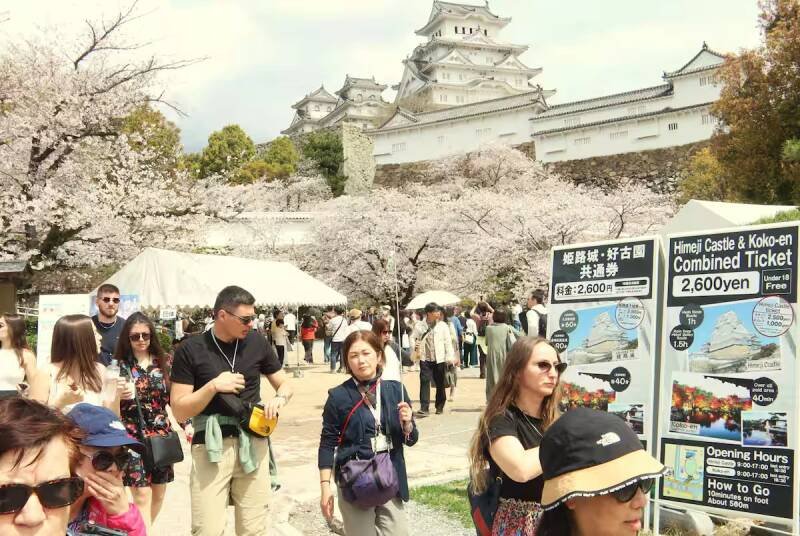



Himeji Castle implemented dual pricing to combat overtourism. We analyze if this strategy is sustainable and its impact on tourism.
Himeji Castle, a stunning UNESCO World Heritage site in Japan, recently implemented a dual-pricing strategy to combat the negative effects of overtourism. This means that foreign tourists pay a higher admission fee than local residents. Initial results suggest that while visitor numbers have decreased, overall revenue has increased. But is this a sustainable solution?
The core idea behind dual pricing is simple: increase the cost for tourists, who often have higher disposable incomes and are less price-sensitive, while maintaining the price for locals. This aims to discourage mass tourism, leading to a more manageable and enjoyable experience for everyone, while simultaneously increasing revenue for the preservation and maintenance of the historic site.
Overtourism is a growing problem worldwide, threatening cultural heritage sites and the quality of life for local communities. Himeji Castle's experiment provides a real-world case study of a potential solution. If successful, it could serve as a model for other popular tourist destinations grappling with similar issues.
The initial increase in revenue is certainly encouraging. However, it's crucial to consider the long-term implications. Will this strategy deter tourists from visiting Himeji Castle in the future? Will it create resentment among foreign visitors who feel they are being unfairly targeted? These are important questions that need to be addressed.
In our opinion, while dual pricing can be a useful tool, it's not a silver bullet. It needs to be implemented carefully, with a clear rationale and transparent communication. Furthermore, it should be part of a broader strategy that includes other measures to manage tourism, such as promoting off-season travel, developing alternative attractions, and improving infrastructure.
The success of Himeji Castle's dual-pricing strategy will depend on several factors, including the elasticity of demand for visits to the castle, the perception of value among tourists, and the effectiveness of the city's overall tourism management strategy.
We anticipate that Himeji City will continue to monitor the impact of dual pricing and make adjustments as needed. This could involve fine-tuning the price differential, implementing complementary measures to enhance the visitor experience, and engaging with stakeholders to address any concerns.
Ultimately, the Himeji Castle experiment offers valuable lessons for other destinations grappling with overtourism. It highlights the importance of innovative solutions, careful planning, and ongoing evaluation. This could impact how other Japanese landmarks approach tourist management and preservation funding. Only time will tell if this gamble truly pays off in the long run.
























