Supreme Court Questions Trump's Birthright Citizenship Order: Analysis and Impact
The Supreme Court is skeptical of Trump's birthright citizenship order. We break down the legal arguments, potential impacts, and what it means for the future.
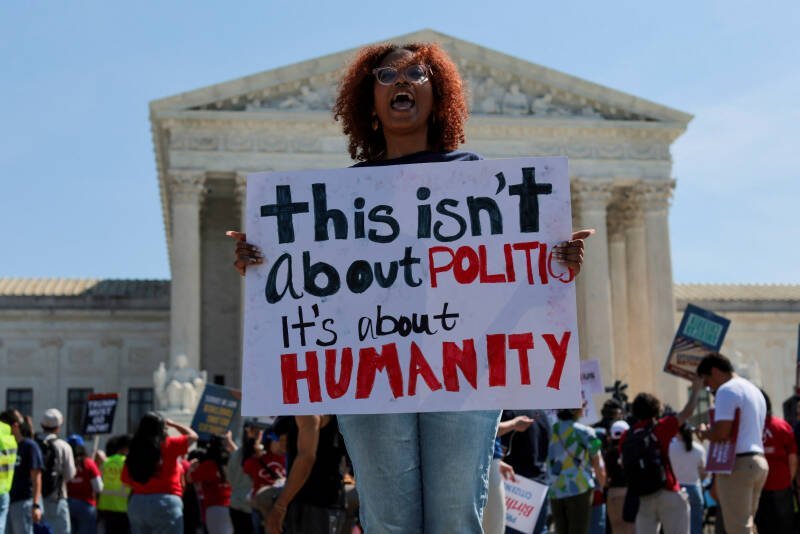



The Supreme Court is skeptical of Trump's birthright citizenship order. We break down the legal arguments, potential impacts, and what it means for the future.
The U.S. Supreme Court recently heard arguments regarding the legality of a directive, seemingly influenced by former President Donald Trump, aiming to restrict birthright citizenship in the United States. The Justices seemed skeptical, a move that casts doubt on the future of this particular approach to immigration policy.
Birthright citizenship, as it currently stands, is largely interpreted based on the 14th Amendment to the U.S. Constitution. This amendment states that all persons born or naturalized in the United States and subject to its jurisdiction are citizens. Trump's directive sought to challenge this interpretation, potentially limiting citizenship to children born to parents who are already U.S. citizens or legal residents. This would be a significant departure from the current understanding of the law.
The core of the debate lies in the interpretation of the 14th Amendment's "subject to its jurisdiction" clause. Proponents of restricting birthright citizenship argue that this clause excludes children born to undocumented immigrants. Opponents, including many legal scholars, maintain that the clause applies to virtually everyone born within U.S. borders.
The Supreme Court's skepticism suggests that they may be hesitant to overturn decades of legal precedent and understanding regarding the 14th Amendment. The Justices' questions and comments during the hearing appeared to focus on the potential consequences and complexities of such a drastic change in interpretation.
This issue is far more than just a legal debate; it directly impacts the lives of millions of people in the United States and those who may seek to immigrate here. Restricting birthright citizenship would create a new class of people residing in the U.S. without full rights and protections. This could lead to numerous legal and social challenges, including:
In our opinion, the Supreme Court's skepticism is a positive sign for those who support the current understanding of birthright citizenship. Overturning established precedent would have far-reaching and potentially devastating consequences. The legal arguments for restricting birthright citizenship appear weak, and the potential social and economic costs are significant.
It's important to remember that the Supreme Court's decision will have a lasting impact on American society. This isn't simply about immigration policy; it's about fundamental rights and the definition of what it means to be an American citizen.
The Supreme Court's decision is anticipated in the coming months. Several possible outcomes exist:
No matter the outcome, this case highlights the ongoing debate surrounding immigration policy in the United States. It's likely that legal challenges and political battles over immigration will continue for the foreseeable future.
This could impact future elections and policies, and continued public discussion is vital.