Outlawing Insults Against Police: A Step Too Far?
Should insults against police be outlawed? We analyze the debate, context, and potential implications of such a law.
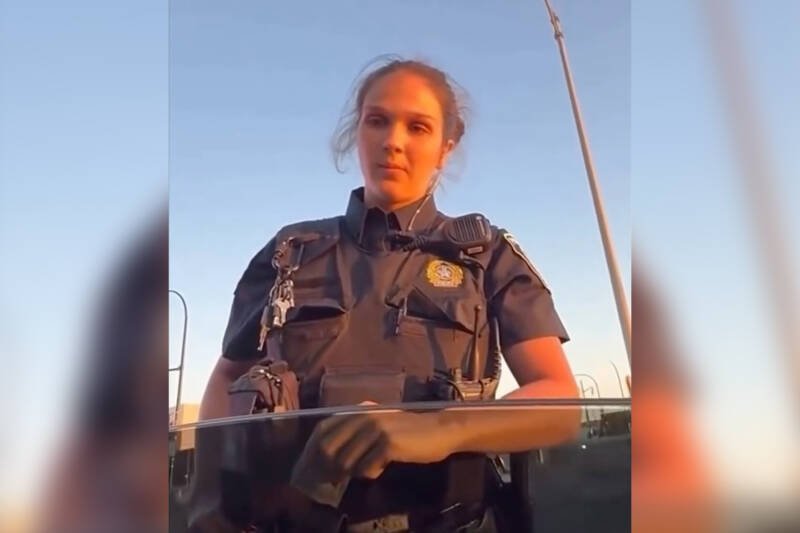



Should insults against police be outlawed? We analyze the debate, context, and potential implications of such a law.
The concern is that such a law could be easily abused, potentially chilling legitimate criticism of police actions. It could also disproportionately affect marginalized communities who are already more likely to be in contact with law enforcement. What constitutes an "insult" is subjective, and a vaguely worded law could lead to arbitrary enforcement.
It's understandable that there's a desire to protect police officers from abuse. They perform a difficult and often dangerous job, and deserve respect. However, the question is whether criminalizing insults is the right way to achieve that. Existing laws already cover harassment, threats, and incitement to violence. Adding another layer that specifically targets insults could be seen as an overreach.
This issue is important because it touches on fundamental principles of freedom of speech and the relationship between citizens and law enforcement. The potential consequences of such a law are significant. It could set a precedent for restricting speech in other areas, and could erode public trust in the police if seen as a tool to silence dissent. The debate highlights the tension between protecting those in positions of authority and preserving the right to criticize power.
In our opinion, Hanes makes a compelling argument. While the misogynistic slurs directed at the Montreal officer were completely unacceptable, creating a new law specifically targeting insults against police is likely not the best solution. It opens the door to potential abuse and could have a chilling effect on free speech. Existing laws should be sufficient to address genuine cases of harassment and threats. A better approach might involve increased training for officers on de-escalation techniques and promoting respectful dialogue between the police and the community.
This situation underlines the importance of nuanced thinking when considering laws that impact freedom of expression. Knee-jerk reactions to offensive language can often lead to unintended consequences that undermine democratic values.
The debate is likely to continue, and it's possible that similar proposals will surface in other jurisdictions. This could impact how citizens interact with law enforcement, with the potential for increased tension and distrust if a law is perceived as unfairly targeting criticism. It's crucial that any such proposal undergoes thorough public scrutiny and consideration of its potential impact on civil liberties. Going forward, a focus on community policing, transparency, and accountability could be more effective in fostering respect for law enforcement than laws that restrict speech.
Ultimately, a healthy society requires both respect for law enforcement and a robust commitment to freedom of expression. Finding the right balance is a complex challenge, but one that is essential for maintaining a just and democratic society.