Okanagan Nations Stand Firm: BC Government Reverses Course on DRIPA Changes
The BC government backs down on proposed changes to DRIPA after facing strong opposition from Okanagan Nations and MLA Joan Phillip. Learn why this matters and what the future holds.
Okanagan Nations Triumph: BC Government Retreats on DRIPA Amendments
In a significant victory for Indigenous rights, the British Columbia provincial government has announced it will no longer pursue proposed changes to the Declaration on the Rights of Indigenous Peoples Act (DRIPA). This decision comes after facing substantial backlash, notably from the Okanagan Nation Alliance and its strong advocate, MLA Joan Phillip.
What is DRIPA?
DRIPA, passed in 2019, aims to align BC laws with the United Nations Declaration on the Rights of Indigenous Peoples. This landmark legislation is designed to advance reconciliation by recognizing and upholding Indigenous rights, self-determination, and cultural preservation. It requires the government to consult and cooperate with Indigenous peoples in all decisions that affect them.
The Proposed Amendments and the Opposition
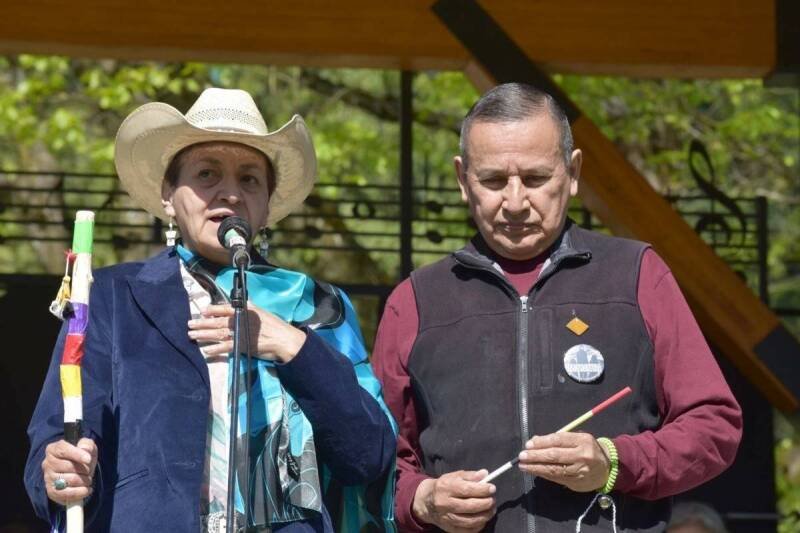
The specifics of the proposed amendments haven't been explicitly detailed by the government, but even the potential for changes raised serious concerns among Indigenous communities. They feared that any alteration could weaken the existing protections afforded by DRIPA and undermine the spirit of reconciliation. Joan Phillip, MLA for Vancouver-Mount Pleasant and a member of the Penticton Indian Band, emerged as a leading voice in opposition, emphasizing the importance of upholding the original intent of DRIPA.
Premier David Eby's government faced increasing pressure as the Okanagan Nation Alliance and other Indigenous groups voiced their disapproval. The strength and unity of the opposition clearly played a crucial role in the government's eventual decision to reverse course.
Why This News Matters
This reversal is more than just a political maneuver; it signifies the power of Indigenous voices and the importance of genuine consultation. It demonstrates that the BC government, while perhaps considering adjustments, is ultimately responsive to the concerns of First Nations when those concerns are articulated clearly and forcefully. Furthermore, it reinforces the legal and moral weight of DRIPA as a framework for reconciliation.
This decision could impact future legislative initiatives in BC that affect Indigenous communities. It sends a strong message that meaningful consultation and respect for Indigenous rights must be central to any policy-making process.
Our Analysis
In our opinion, the government's initial consideration of amending DRIPA reflects a possible disconnect between the intended goals of reconciliation and the practical challenges of implementing the Act. While adjustments might be needed to address unforeseen consequences or improve efficiency, the process must be transparent and collaborative.
The swift and decisive reaction from Indigenous communities highlights the deep-seated mistrust that still exists and the need for the government to build stronger relationships based on mutual respect and understanding. MLA Joan Phillip's unwavering stance served as a powerful reminder that Indigenous leaders will not hesitate to defend their rights and interests.
This incident underscores the critical importance of engaging in thorough and meaningful consultation with Indigenous communities before proposing any changes to legislation that directly affects them. Failing to do so can lead to costly delays, damaged relationships, and a loss of trust.
Future Outlook
The future of DRIPA hinges on the BC government's ability to learn from this experience and adopt a more collaborative approach. Key areas to watch include:
- The government's commitment to implementing DRIPA in its entirety.
- The extent of meaningful consultation with Indigenous communities on future legislative initiatives.
- The ongoing dialogue and relationship-building between the BC government and First Nations.
This outcome presents an opportunity for a renewed focus on strengthening partnerships and building a more just and equitable society for all British Columbians. We anticipate further discussions and negotiations between the government and Indigenous leaders to ensure DRIPA is implemented effectively and in a way that respects Indigenous rights and promotes reconciliation. The next few months will be critical in setting the tone for future government-Indigenous relations in British Columbia. This could impact the prosperity and harmony of British Columbia.