US Military Seizes Iranian Ship & Iran Rejects US Talks: What It Means
The US military seized an Iranian ship carrying illegal cargo, while Iran rejected peace talks. We break down what this means for international relations.




The US military seized an Iranian ship carrying illegal cargo, while Iran rejected peace talks. We break down what this means for international relations.
Recent events have significantly heightened tensions in the Middle East. The US military has seized an Iranian-flagged cargo ship allegedly carrying illicit goods. Simultaneously, Iran has publicly rejected new peace talks proposed by the United States.
Details surrounding the seizure of the Iranian ship remain somewhat limited. Official reports indicate the ship was intercepted by US forces. The specific cargo is yet to be officially disclosed, although some sources suggest it contained materials prohibited under international sanctions. The US Navy has a history of interdicting vessels suspected of smuggling arms or other contraband in the region.
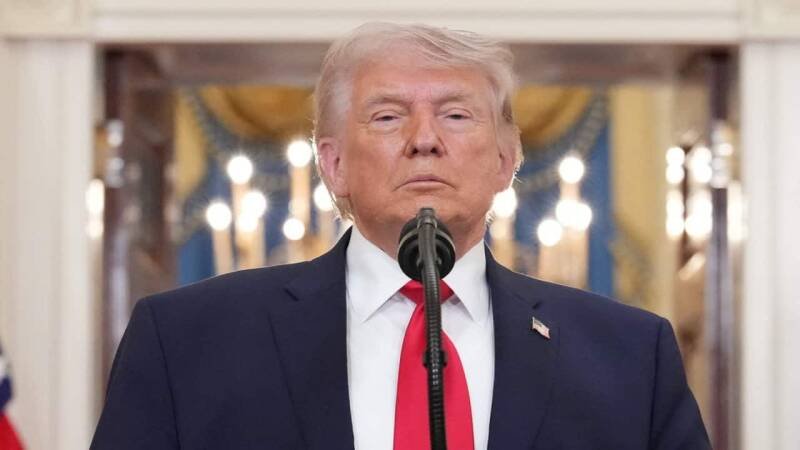
Adding another layer of complexity to the situation, Iran has refused to engage in new peace talks with the United States. This announcement, carried by Iran's state news agency, came shortly after reports that then President Donald Trump had intended to send envoys to Pakistan, potentially as a back channel, for discussions.
This news is significant for several reasons:
In our opinion, this situation is a direct result of the breakdown in trust and communication between the two nations over the past several years. The seizure of the ship, while presented as enforcing international law, will likely be viewed by Iran as an act of aggression. The timing of Iran's rejection of talks, following signals (regardless of their authenticity) that the US might be open to dialogue, suggests a deep-seated skepticism towards US intentions.
It's important to remember the historical context. The breakdown of the JCPOA (the Iran nuclear deal) under the Trump administration significantly damaged US-Iran relations. The reimposition of sanctions has crippled the Iranian economy, fostering resentment and a lack of incentive to engage in diplomatic negotiations on terms perceived as unfavorable.
This could impact shipping lanes and international trade. Increased US military presence in the region, coupled with Iranian retaliation, could lead to disruptions and increased insurance costs for vessels operating in the area.
The future remains uncertain. Several possible scenarios could unfold:
Ultimately, de-escalation will require a willingness from both sides to engage in meaningful dialogue and address the underlying issues that have fueled the current crisis. However, given the current political climate and the deep-seated mistrust, a swift resolution seems unlikely.
The situation warrants careful monitoring as developments unfold. A measured and diplomatic approach is crucial to prevent further escalation and promote stability in the region.