Greek Diaspora to Gain Representation in Parliament: A Historic Shift
Greece is creating a global electoral constituency for its diaspora, allowing them to elect their own representatives in Parliament. This article explores the significance, potential impacts, and future of this historic democratic reform.
Greek Diaspora to Gain Representation in Parliament: A Historic Shift
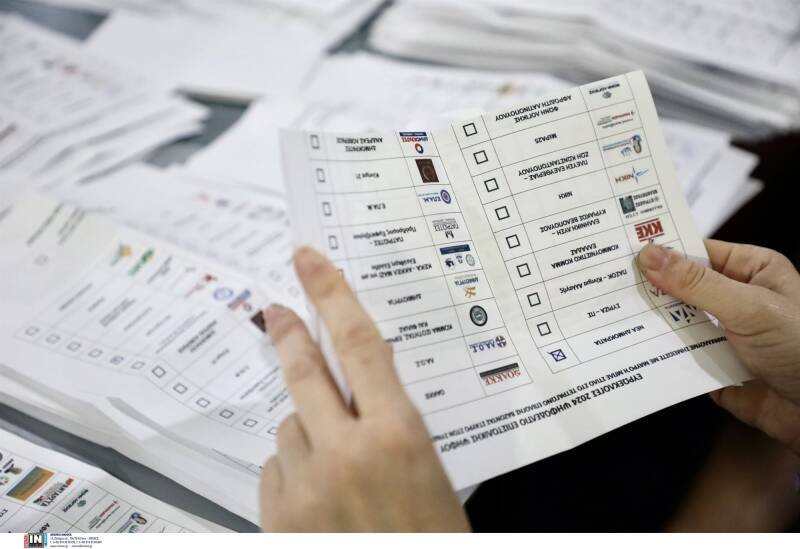
Greece is on the verge of a major change in its political landscape. For the first time, Greeks living abroad will have the opportunity to directly elect their own representatives to the Greek Parliament. This landmark reform, coupled with the introduction of postal voting, aims to give the Greek diaspora a stronger voice in the nation's decision-making processes.
What's Changing?
The core of the change involves creating a dedicated "global electoral constituency." This means Greeks living outside of Greece will be able to vote for specific candidates who will represent their interests in Parliament. Historically, Greeks abroad have found it difficult to participate in Greek elections, but postal voting coupled with specifically designated representatives should change all that.
Why This News Matters
This development is significant for several reasons:
- Increased Political Participation: Millions of Greeks living abroad will now have a more direct way to influence Greek politics. This could lead to a more engaged and informed diaspora.
- Recognition of Diaspora's Importance: The reform acknowledges the significant role the Greek diaspora plays in the country's economy, culture, and international relations.
- Modernizing Greek Democracy: The introduction of postal voting brings Greece in line with many other developed democracies that have already embraced this practice.
- Potential Policy Shifts: With diaspora representatives in Parliament, we could see new policies and initiatives that specifically address the needs and concerns of Greeks abroad.
Our Analysis
In our opinion, this is a positive step towards a more inclusive and representative democracy in Greece. The Greek diaspora has always maintained strong ties to their homeland, and now they will have a tangible way to shape its future. The creation of this global electoral constituency, in theory, strengthens the bond between Greece and its citizens living abroad. However, the effectiveness of this reform will depend on several factors.
Potential Challenges
Several factors will determine the overall success of this initiative:
- Voter Turnout: The effectiveness of this reform depends on whether a significant portion of the diaspora actually participates in the elections. Awareness campaigns and accessible voting procedures will be crucial.
- Representation Concerns: Will three seats be enough? The specific number of parliamentary seats allocated to the diaspora may or may not provide sufficient representation, depending on the size of the eligible voting population. The Greek government needs to decide whether to increase the amount of seats in the future.
- Candidate Selection: The quality and experience of the candidates vying to represent the diaspora will be vital. Voters need to be well-informed about the candidates' platforms and qualifications.
- Impact on Domestic Politics: The influence of diaspora representatives on Greek domestic politics remains to be seen. There is the potential for conflict between the interests of the diaspora and the interests of those living in Greece.
Future Outlook
This reform is a significant step, but it is just the beginning. We anticipate further developments in the coming years, including:
- Refinement of Electoral Procedures: The government may need to adjust the rules and regulations governing diaspora voting based on experience and feedback.
- Increased Diaspora Engagement: The existence of diaspora representatives could encourage Greeks abroad to become more involved in other aspects of Greek life, such as business, culture, and education.
- Policy Debates: We can expect to see debates in Parliament on issues that are particularly relevant to the diaspora, such as citizenship, taxation, and social security. This could impact policy making in those specific areas in the future.
Overall, the creation of a global electoral constituency for the Greek diaspora has the potential to strengthen Greece's democracy and its ties with its citizens abroad. How this is eventually applied, and how that impacts the nation as a whole, will be interesting to observe.