Pakistan's Forced Refugee Returns: Why It Matters
Pakistan is escalating forced returns of Afghan refugees. Learn why this is happening, the impact, and what the future holds.
Pakistan: Surge in Forced Returns of Afghan Refugees - A Growing Crisis
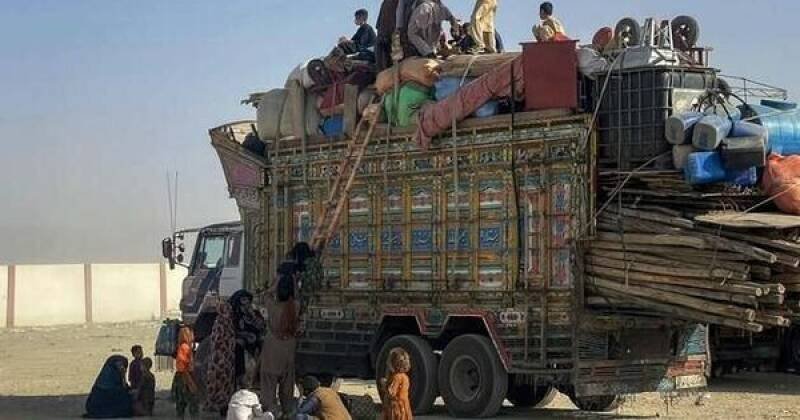
Recent reports indicate a disturbing increase in the forced repatriation of Afghan refugees by Pakistani authorities. Following renewed tensions and border clashes between Pakistan and Afghanistan, Human Rights Watch has highlighted a worrying trend of abusive raids, arbitrary detentions, and forced returns. This escalating situation has left thousands of vulnerable Afghan refugees, including children, in a precarious and uncertain position.
What's Happening?
Pakistani police are reportedly conducting operations targeting Afghan refugees residing within the country. These operations involve raids, often without warning, leading to the detention of individuals who are then forcibly returned to Afghanistan. The scale of these operations has significantly increased recently, causing widespread fear and displacement among the Afghan refugee community.
This isn't new. Pakistan has hosted millions of Afghan refugees for decades, particularly following conflicts in Afghanistan. However, the current surge in forced returns signals a significant shift in policy and a worrying trend for human rights.
Why This News Matters
This situation is incredibly important for several reasons:
* **Human Rights:** The forced return of refugees, especially those who may face persecution or violence in their country of origin, violates international human rights laws and principles.
* **Humanitarian Crisis:** Afghanistan is already facing a severe humanitarian crisis. Adding to that burden by forcibly returning refugees exacerbates the existing problems and puts more lives at risk.
* **Regional Stability:** This situation could further destabilize the region, potentially leading to increased tensions between Pakistan and Afghanistan.
* **Children at Risk:** Many of those being returned are children, who are particularly vulnerable and may have experienced trauma. Their well-being and access to education are at serious risk.
Our Analysis
In our opinion, Pakistan's actions are deeply concerning. While every nation has the right to manage its borders, these actions seem disproportionate and disregard the vulnerability of the refugee population. The timing of these operations, following border clashes, suggests a retaliatory motive, which is unacceptable when dealing with human lives.
This could impact Pakistan's international reputation, potentially straining relations with countries and organizations that advocate for refugee rights. It also underscores the need for increased international support for both Afghan refugees and Afghanistan itself, to address the root causes of displacement and provide adequate resources for those in need.
We believe that Pakistan should prioritize the humane treatment of refugees, ensuring that all returns are voluntary, safe, and dignified. Alternatives to forced returns, such as granting asylum or providing temporary protection, should be explored.
Future Outlook
The future remains uncertain for Afghan refugees in Pakistan.
* **Continued Returns:** If the current trend continues, we can expect to see thousands more refugees forcibly returned to Afghanistan in the coming weeks and months.
* **Increased Hardship:** The situation in Afghanistan is unlikely to improve significantly in the short term, meaning that returning refugees will face immense hardship and potential danger.
* **International Pressure:** There will likely be increased pressure from international organizations and governments on Pakistan to halt the forced returns and uphold its obligations under international law.
* **Need for Solutions:** Ultimately, a long-term solution requires addressing the root causes of displacement in Afghanistan, promoting peace and stability, and providing sustainable development opportunities.
This situation demands urgent attention and a coordinated response from the international community to protect the rights and well-being of Afghan refugees.