Okanagan Nations and MLA Joan Phillip Prevail: BC Government Shelves DRIPA Amendments
The BC government has backed down on proposed changes to the Declaration on the Rights of Indigenous Peoples Act (DRIPA) after significant backlash. Learn why this decision matters and what it means for Indigenous rights in British Columbia.
Okanagan Nations Celebrate as BC Government Drops DRIPA Amendments
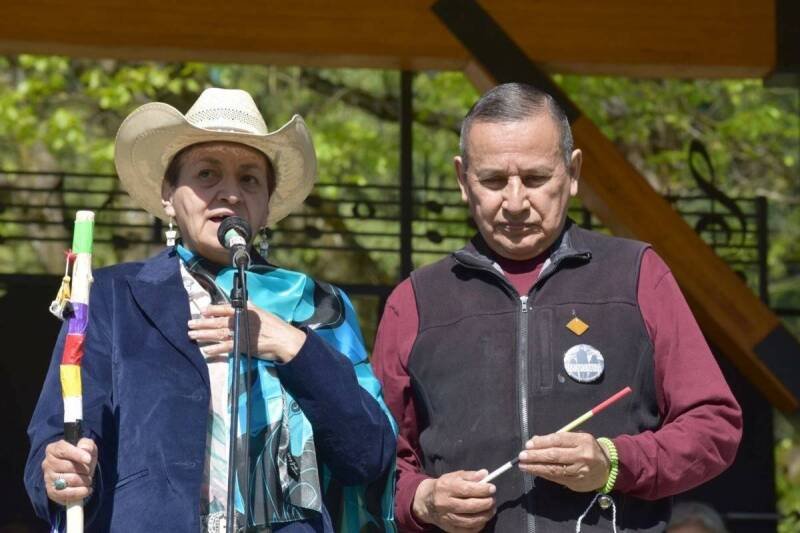
In a victory for Indigenous rights, the British Columbia provincial government has announced it will not be proceeding with proposed changes to the Declaration on the Rights of Indigenous Peoples Act (DRIPA). This decision comes after strong opposition from Okanagan Nations, led in part by MLA Joan Phillip, and widespread concerns about inadequate consultation with Indigenous communities.
What is DRIPA?
DRIPA, which was passed in 2019, is a landmark piece of legislation in British Columbia. It aims to align provincial laws with the United Nations Declaration on the Rights of Indigenous Peoples. This declaration outlines the fundamental human rights of Indigenous peoples, including the right to self-determination, land rights, and cultural preservation. DRIPA provides a framework for the BC government to work in partnership with Indigenous communities to implement these rights.
Proposed Changes Sparked Controversy
While the specifics of the proposed amendments were not widely publicized, the very idea of amending DRIPA without thorough and meaningful consultation with Indigenous peoples raised serious concerns. Many feared that the changes could weaken the existing protections and undermine the spirit of reconciliation. The Okanagan Nations, in particular, voiced strong objections, arguing that they were not adequately consulted and that the proposed changes could negatively impact their inherent rights.
MLA Joan Phillip's Stand
MLA Joan Phillip, a member of the Penticton Indian Band, played a pivotal role in advocating for Indigenous rights and challenging the proposed amendments. Her vocal opposition and unwavering commitment to upholding the principles of DRIPA helped to amplify the concerns of Indigenous communities and put pressure on the provincial government.
Why This News Matters
This decision is significant for several reasons:
- Upholds Indigenous Rights: It reaffirms the importance of respecting Indigenous rights and the need for meaningful consultation before making decisions that affect Indigenous communities.
- Strengthens Reconciliation: It demonstrates a commitment to the process of reconciliation and acknowledges the need for a collaborative approach to implementing DRIPA.
- Sets a Precedent: It sets a precedent for future interactions between the BC government and Indigenous Nations, emphasizing the importance of transparency, respect, and partnership.
Our Analysis
In our opinion, the BC government's decision to back down on the DRIPA amendments is a positive step. The initial handling of the proposed changes raised serious questions about the government's commitment to true reconciliation. The strong reaction from Okanagan Nations and MLA Joan Phillip served as a crucial reminder that meaningful consultation is not just a procedural requirement, but a fundamental principle of Indigenous law and self-determination.
This situation highlights the ongoing tension between the government's desire to develop resources and its commitment to upholding Indigenous rights. The implementation of DRIPA requires a delicate balancing act, and it is clear that the government needs to invest more effort in building trust and fostering genuine partnerships with Indigenous communities.
Future Outlook
The future of DRIPA implementation in British Columbia hinges on the government's ability to learn from this experience. Moving forward, it is crucial that the government:
- Prioritizes Meaningful Consultation: Ensures that Indigenous communities are actively involved in all decisions that affect their rights and interests.
- Provides Transparency: Openly communicates its intentions and provides access to information about proposed policies and projects.
- Invests in Capacity Building: Supports Indigenous communities in developing the capacity to effectively participate in consultations and negotiations.
- Develops Clear Implementation Plans: Works with Indigenous Nations to develop concrete plans for implementing DRIPA in various sectors, such as forestry, mining, and energy.
This could impact future developments in BC by leading to stronger collaboration between the government and Indigenous nations, and ensuring that projects are developed in a way that respects Indigenous rights and values. This decision represents a significant step towards reconciliation, but it is only one step in a long journey. Continued vigilance and advocacy will be necessary to ensure that DRIPA is fully implemented and that Indigenous rights are truly respected in British Columbia.