Kavango West Data Gaps Raise Concerns: A Deep Dive into Namibian Statistics
Analysis of Kavango West's concerns over data usage by the Namibian Statistics Agency (NSA). Understanding the implications for resource allocation and future planning.




Analysis of Kavango West's concerns over data usage by the Namibian Statistics Agency (NSA). Understanding the implications for resource allocation and future planning.
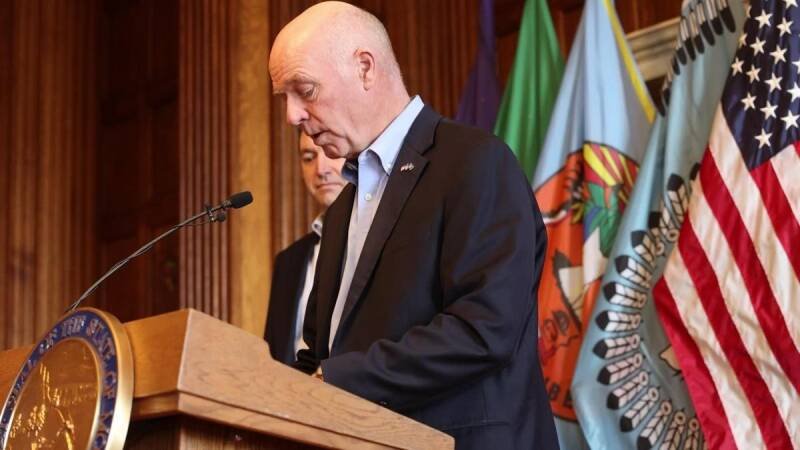
A recent report has highlighted concerns over the effective use of official statistics in Kavango West, Namibia. Thomas Rengi, a councillor for the Ncamagoro constituency, has publicly questioned whether the data provided by the Namibia Statistics Agency (NSA) is being adequately utilized for informed decision-making and efficient resource allocation within the region.
These concerns were raised during a briefing in Nkurenkuru, focusing on the practical challenges stemming from the release of the 2023 Population and Housing Census. The councillor's remarks shed light on a potentially significant issue impacting regional development and governance in Namibia.
The Namibia Statistics Agency (NSA) is the primary source of official statistics in the country. Its mission is to provide reliable and timely data to support evidence-based policy making and development planning. The Population and Housing Census, conducted periodically, is a cornerstone of this effort, providing a comprehensive snapshot of the nation's demographic and socio-economic characteristics.
Effective utilization of census data is crucial for informed decision-making. This data informs budget allocations, infrastructure development plans, social programs, and a range of other critical government initiatives. When data utilization falls short, it can lead to misdirected resources, inefficient programs, and ultimately, hindered progress towards national development goals.
The concerns raised by Councillor Rengi are important because they point to a potential disconnect between data collection and practical application. If official statistics are not being effectively used at the regional level, it raises questions about the overall effectiveness of the NSA's efforts and the government's ability to address the specific needs of communities in Kavango West and potentially other regions. This could impact the quality of life for residents and hinder regional economic growth.
Furthermore, a lack of data utilization can erode public trust in government institutions. If citizens perceive that valuable data is being ignored or misused, it can lead to disillusionment and a decline in civic engagement.
In our opinion, Councillor Rengi's concerns deserve serious attention. While data collection is essential, it is only the first step. The data must be accessible, understandable, and actively used by decision-makers at all levels of government. There may be a need for increased training and capacity building at the regional level to ensure that local officials have the skills and resources necessary to interpret and apply statistical information effectively. It's also possible that communication between the NSA and regional authorities needs improvement.
The challenge of data utilization is not unique to Namibia. Many countries struggle to translate statistical information into actionable policies and programs. However, addressing this challenge is critical for achieving sustainable and equitable development. This could impact Namibia's ability to achieve its long-term development goals.
Addressing the data utilization gaps in Kavango West and other regions will require a concerted effort from the NSA, regional governments, and other stakeholders. The NSA may need to review its data dissemination strategies and provide targeted support to regions struggling to utilize official statistics effectively. Regional governments should invest in training and infrastructure to build local capacity for data analysis and decision-making.
Moving forward, it will be important to monitor the progress of these efforts and evaluate their impact on regional development outcomes. Regular assessments of data utilization practices and feedback from local stakeholders can help to identify areas for improvement and ensure that official statistics are truly serving their intended purpose: to inform evidence-based policy making and improve the lives of all Namibians.
Transparency and accountability are also key. The NSA should be transparent about its data collection and dissemination processes, and regional governments should be accountable for how they use official statistics in their decision-making. This will help to build public trust and ensure that data is used effectively to promote the common good.