Dhaka Needs Two Police Commissioners: Why and What It Means
A lawyer is pushing for two police commissioners in Dhaka, Bangladesh. Learn why this could reshape policing, address rising challenges, and what it means for the city's future.
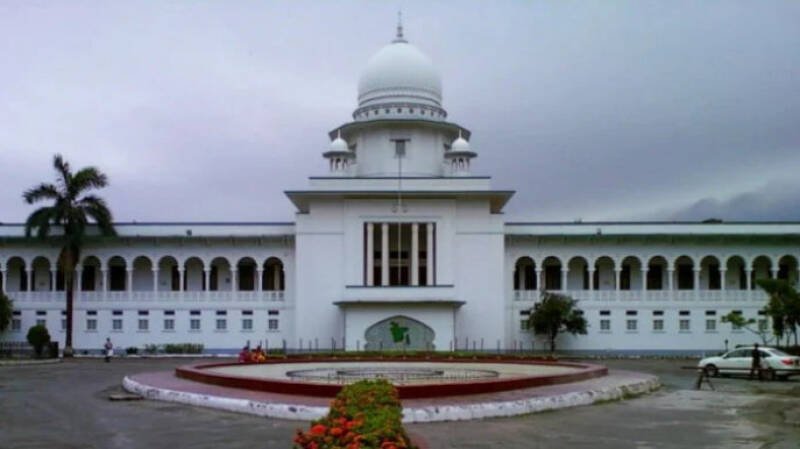



A lawyer is pushing for two police commissioners in Dhaka, Bangladesh. Learn why this could reshape policing, address rising challenges, and what it means for the city's future.
Dhaka, the bustling capital of Bangladesh, is grappling with rapid urbanisation and its associated challenges. A recent legal petition, filed by a lawyer, is seeking a fundamental shift in the city's policing structure: the appointment of two police commissioners instead of the current single commissioner system. The petitioner argues that the existing centralised system is simply not equipped to handle the increasing demands of a growing population, rising crime rates, crippling traffic congestion, and ensuring overall public safety.
The core of the argument is that Dhaka has outgrown its current policing framework. Imagine a city bursting at the seams, with new neighbourhoods sprouting daily and the population surging upwards. A single police commissioner, no matter how capable, can only oversee so much. The petition highlights the strain on resources and the potential for inefficiencies in a centralised command structure when dealing with such a vast and complex urban landscape.
This legal challenge is more than just a procedural matter; it represents a growing concern about the effectiveness of law enforcement in Dhaka. If successful, the establishment of two police commissioners could fundamentally reshape how the city is policed, potentially leading to:
In our opinion, this legal challenge is a direct reflection of the growing pains Dhaka is experiencing. The rapid growth of the city has placed immense pressure on its infrastructure and institutions, and the police force is no exception. A single commissioner system, designed for a smaller, less complex city, is struggling to keep pace with the evolving challenges. This proposal is not just about adding another position; it's about rethinking the entire approach to policing in Dhaka.
While simply adding a commissioner won't magically solve all of Dhaka's problems, it represents a crucial first step towards decentralisation and specialisation. Effective policing requires a deep understanding of local issues and the ability to respond quickly and effectively to emerging threats. A decentralised structure could facilitate both.
However, implementing such a significant change will not be without its challenges. Some potential obstacles include:
The outcome of this legal petition remains uncertain, but the fact that it has been filed at all signals a growing dissatisfaction with the status quo. Even if the court rejects the specific request for two commissioners, the debate it has sparked could pave the way for other reforms aimed at improving policing in Dhaka. This could impact the future of law enforcement strategies throughout Bangladesh.
Going forward, it will be crucial to carefully consider the potential benefits and drawbacks of a decentralised policing system. Thorough research, public consultations, and pilot programs could help to determine the most effective way to adapt Dhaka's policing structure to meet the challenges of the 21st century. This is a critical moment for Dhaka, and the decisions made now will have a profound impact on the city's safety and security for years to come. Ultimately, this is about building a more secure and livable city for all its residents.