Ashe County Protests: From Tea Party to 'No Kings' - Understanding the Roots
Explore the history of protests in Ashe County, NC, from the Tea Party movement to recent 'No Kings' rallies, and understand why these movements matter for the community's future.
Ashe County's History of Protest: More Than Just Headlines
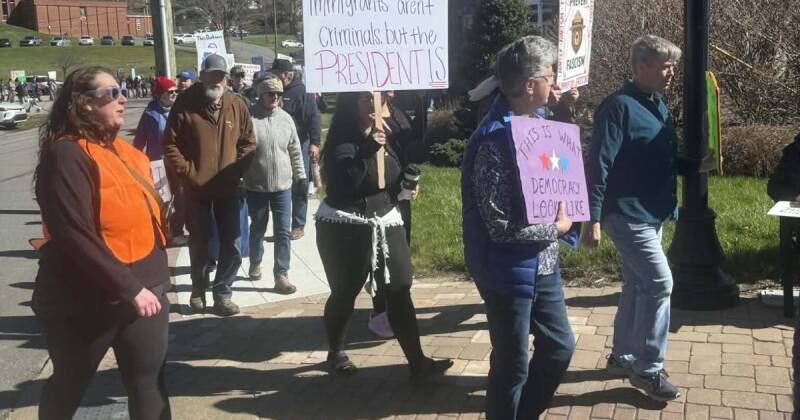
Ashe County, North Carolina, like many communities across the nation, has a rich history of political engagement and protest. These demonstrations, from the early Tea Party movements to more recent "No Kings" rallies, showcase a community actively voicing its concerns and holding its leaders accountable. Understanding this history is crucial to grasping the current political climate and anticipating future developments.
A Legacy of Dissent
The narrative of Ashe County isn't just about peaceful mountain life; it's also about a community that actively participates in shaping its own destiny. Protests and civil assemblies have long been a part of the local landscape. These events serve as platforms for residents to express opposition to agendas they believe conflict with their values, both locally and nationally.
Why This News Matters
Understanding the history of protests in Ashe County is vital for several reasons:
- Community Engagement: It highlights the importance of civic engagement and demonstrates how residents can actively participate in their local government.
- Political Awareness: It provides context for current political discussions and helps residents understand the underlying issues driving community activism.
- Historical Perspective: It offers a historical perspective on the evolution of political thought and activism within the county.
- Accountability: Demonstrations of public sentiment act as a necessary check and balance on elected officials.
Our Analysis
The shift from the Tea Party movement to the "No Kings" rallies is particularly interesting. While the Tea Party generally focused on fiscal conservatism and limited government, the "No Kings" rallies seem to encompass a broader range of concerns, potentially including issues related to local governance, transparency, and individual liberties. This evolution suggests a growing dissatisfaction with certain aspects of the local political landscape.
In our opinion, the common thread connecting these movements is a desire for greater accountability and responsiveness from elected officials. Residents feel empowered to speak out when they believe their voices are not being heard. The First Amendment provides an inherent right to speak against actions by the government, and this sentiment seems alive and well in Ashe County.
It's also important to consider the role of social media and online platforms in amplifying these movements. The internet allows for rapid dissemination of information and facilitates the organization of protests and rallies, making it easier for like-minded individuals to connect and mobilize.
Future Outlook
The tradition of protest in Ashe County is likely to continue, especially as local and national issues continue to evolve. We anticipate seeing more organized efforts to hold elected officials accountable and advocate for specific policy changes.
Potential Impacts
This continued activism could impact several areas:
- Local Elections: Increased awareness and engagement could lead to higher voter turnout and potentially shift the balance of power in local elections.
- Policy Decisions: Public pressure from protests and rallies could influence the decisions made by the county government on issues ranging from zoning and development to taxation and social services.
- Community Dialogue: These events can foster important community dialogues and help to bridge divides by creating spaces for residents to share their perspectives and concerns.
This could impact the way leaders make decisions. They may be more likely to consider the public’s opinion. They may be more transparent in their actions to avoid creating more unrest.
In conclusion, understanding the history of protest in Ashe County provides valuable insights into the community's values, concerns, and aspirations. It serves as a reminder that civic engagement is a vital component of a healthy democracy and that residents have the power to shape the future of their community through collective action.