House Rejects Iran War Withdrawal Resolution: What It Means for US Foreign Policy
The House voted against a resolution demanding the withdrawal of US troops from the Iran conflict. Understand the implications, Republican stance, and future of US-Iran relations.
House Rejects Iran War Withdrawal: A Deep Dive
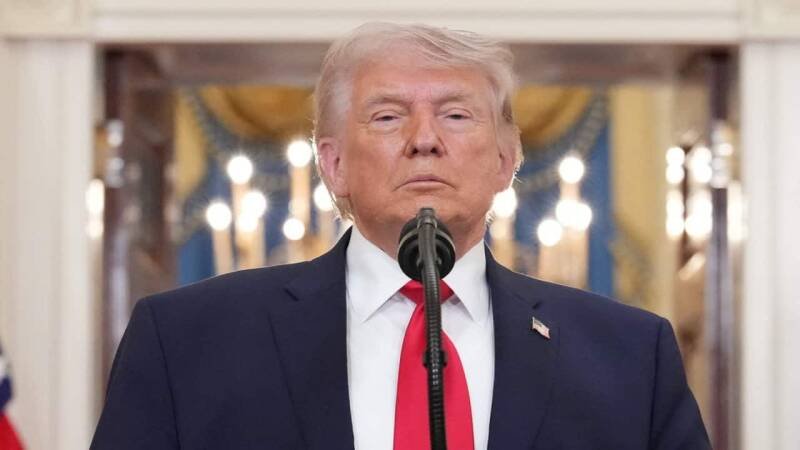
In a recent vote, the House of Representatives rejected a resolution that would have required President Donald Trump to withdraw U.S. forces from military engagements with Iran, unless Congress explicitly authorized such action. This decision highlights a significant divide within Congress regarding U.S. foreign policy and the extent of presidential power in military matters.
The Resolution's Aim
The resolution aimed to reassert Congress's constitutional authority over declarations of war. Supporters argued that any sustained military involvement with Iran should require Congressional approval, preventing potential escalation without proper oversight. This echoes concerns about the executive branch's ability to commit the U.S. to prolonged conflicts without the explicit consent of the legislative branch.
The Vote Breakdown
While some members from both parties supported the resolution, the majority of Republicans voted against it, effectively siding with President Trump's existing policies regarding Iran. This party-line vote reveals the strong loyalty to the president within the Republican party and their willingness to grant him more leeway in foreign policy decisions. The vote underscores the deep partisan divisions that currently characterize US politics.
Why This News Matters
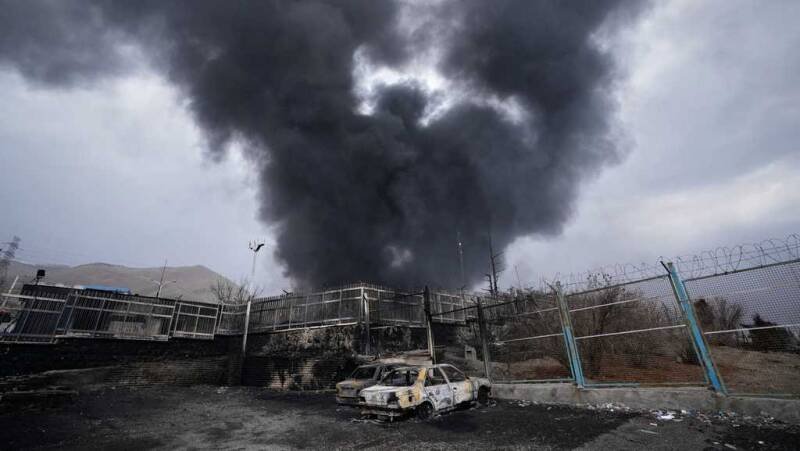
This vote has profound implications for the future of U.S. foreign policy in the Middle East. By rejecting the resolution, the House has essentially given the President a green light to continue existing military operations and strategies concerning Iran, at least for now. This potentially increases the risk of escalation and deeper military involvement in the region. It also highlights the continued tension between the executive and legislative branches concerning war powers.
Our Analysis
In our opinion, this vote represents a missed opportunity for Congress to reclaim its constitutional role in foreign policy decision-making. The Republican's decision to stand with President Trump, while understandable in the current political climate, potentially weakens the checks and balances system that's so crucial for a well-functioning democracy.
This could impact the relationship between the US and Iran, and potentially encourage more aggressive policies from the White House. While some might see it as a sign of strength and decisiveness, others could interpret it as a reckless disregard for diplomatic solutions.
The Constitutional Question
The heart of the matter lies in the interpretation of the Constitution's War Powers Clause. Does the President have the authority to engage in military actions without explicit Congressional approval, especially in situations short of a formal declaration of war? This question has been debated for decades, and this vote doesn't resolve it. In fact, it exacerbates the ambiguity and potentially sets a precedent for future executive overreach.
Future Outlook
The future of U.S.-Iran relations remains uncertain. With the House rejecting this withdrawal resolution, the President is likely to continue the current course, which involves sanctions, diplomatic pressure, and occasional military posturing. It remains to be seen whether this strategy will ultimately lead to de-escalation or further conflict.
Several factors could influence the situation, including the outcome of the next presidential election, any potential agreements or breakthroughs in nuclear negotiations, and the evolving dynamics within the Middle East itself. The decision also has wider implications for the relationship between the Executive and Legislative branches.
- Possible escalation of US-Iran conflict.
- Continued debate about Presidential war powers.
- Impact on US standing in the Middle East.
It's important to monitor future Congressional actions and public discourse on this issue to understand the trajectory of U.S. foreign policy toward Iran. The situation is constantly evolving, and vigilant observation is crucial.