Florida Immigration Policy: Embrace of ICE and Its Implications
Florida's shift towards aggressive immigration enforcement, driven by policies aligned with ICE, raises concerns. Explore the costs, impacts, and future outlook of these changes.
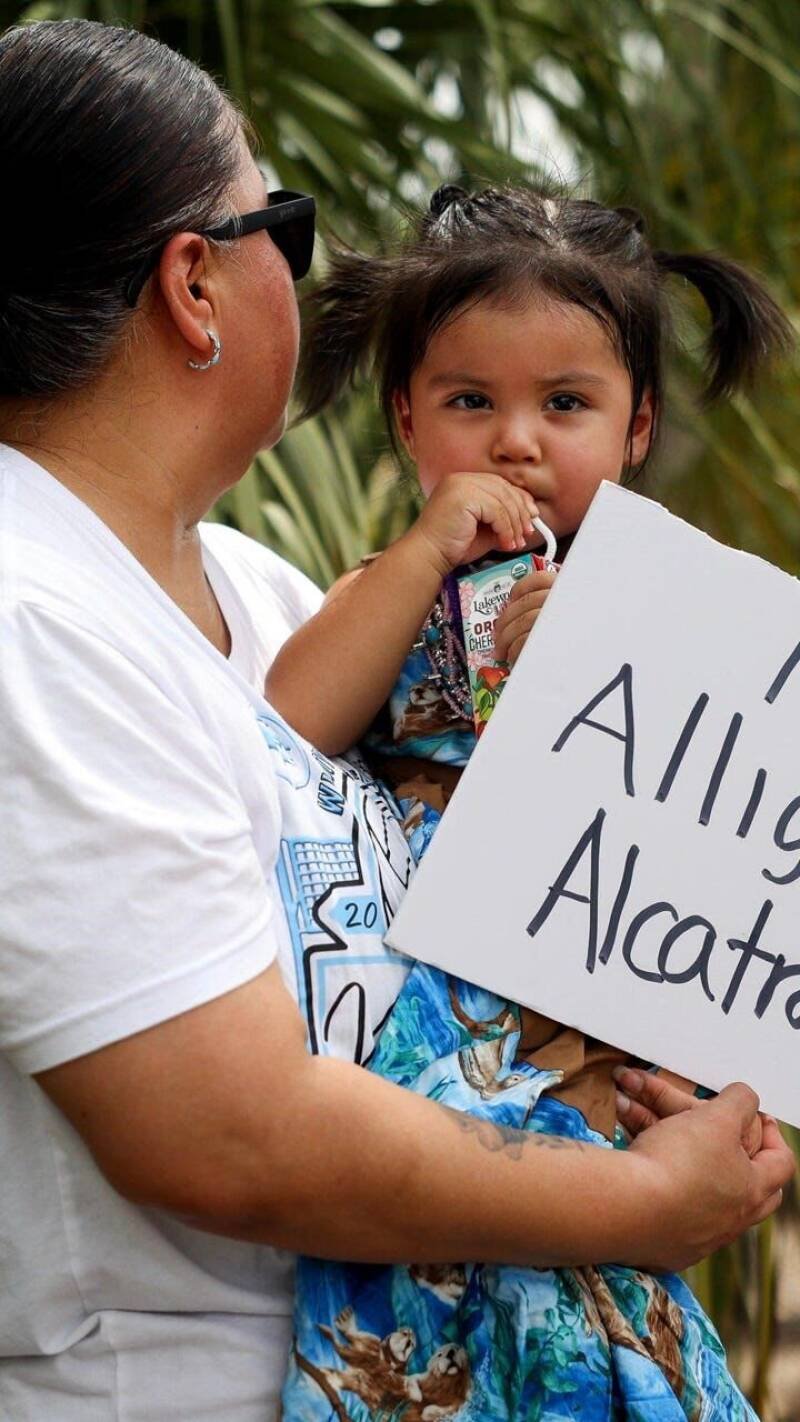



Florida's shift towards aggressive immigration enforcement, driven by policies aligned with ICE, raises concerns. Explore the costs, impacts, and future outlook of these changes.
Florida is rapidly transforming its approach to immigration enforcement, adopting policies that closely align with the federal government's focus on stricter measures. This shift, driven by state Republican leaders, positions Florida as a key testing ground for the aggressive immigration tactics previously championed within the White House.
Under the current administration, Florida has demonstrably increased its cooperation with Immigration and Customs Enforcement (ICE). This collaboration includes increased data sharing, stricter enforcement of existing laws, and a growing emphasis on deporting undocumented immigrants. This is happening quietly, but the implications are significant.
The changes in Florida's immigration policy could have far-reaching consequences, affecting not only the immigrant community but also the state's economy and social fabric. Understanding these shifts is crucial for residents, businesses, and anyone concerned about civil liberties.
A stricter immigration policy can lead to:
In our opinion, Florida's approach to immigration is taking a sharp turn towards enforcement-first policies. While proponents argue these measures enhance public safety and deter illegal immigration, the long-term consequences need careful consideration. The potential disruption to key industries reliant on immigrant labor, and the broader impact on community relations, are critical concerns.
It's also important to consider whether these state-level policies are sustainable without substantial federal support. Increased enforcement efforts put a strain on state resources, and any potential cuts in federal funding could create further complications. This is particularly important during times of economic uncertainty.
A significant concern is the potential for discriminatory practices. While these policies may appear neutral on the surface, they can disproportionately affect certain communities. There is a risk that increased scrutiny and enforcement could lead to racial profiling or unfair treatment of immigrants and even legal residents.
The trajectory of Florida's immigration policy is likely to be heavily influenced by both state and federal politics. Continued Republican control of the state government suggests further enforcement-focused measures may be implemented. However, challenges to these policies in the courts, coupled with shifting public sentiment on immigration, could alter the course of events.
Looking ahead, we anticipate:
This could impact Florida's reputation. The State could be seen as a non-welcoming location for immigrants. It is very important to follow the issue closely.
Ultimately, the future of immigration policy in Florida hinges on a complex interplay of political, legal, and economic factors. Understanding these dynamics is crucial for navigating the challenges and opportunities that lie ahead.