Pentagon Plans Military Ops in Cuba: What It Means
The Pentagon is increasing its readiness for potential military operations in Cuba amid political tensions. This analysis explores the implications, future outlook, and why this news matters.



The Pentagon is increasing its readiness for potential military operations in Cuba amid political tensions. This analysis explores the implications, future outlook, and why this news matters.
Recent reports indicate that the Pentagon is escalating its contingency planning for possible military operations in Cuba. This development occurs amidst heightened political tensions and rhetoric surrounding the island nation.
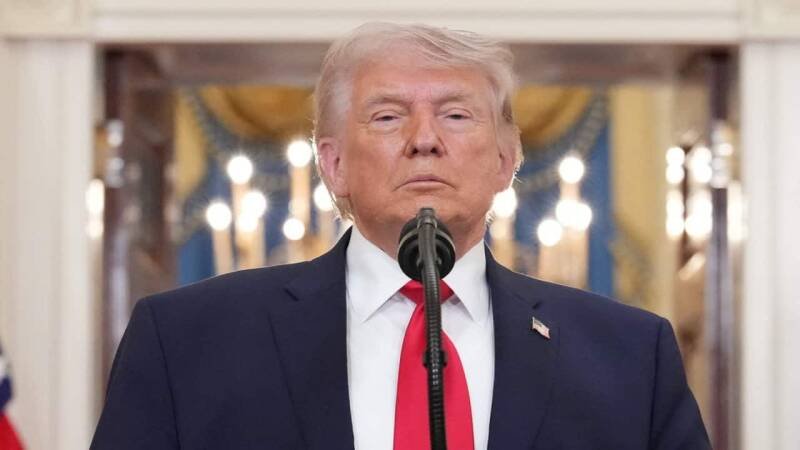
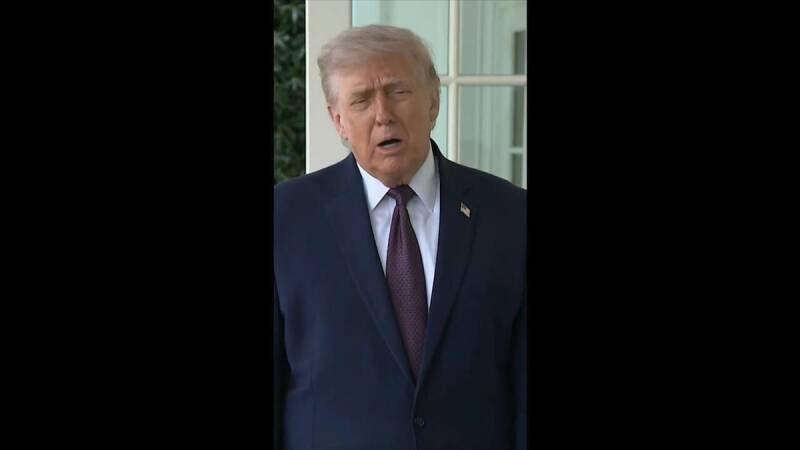
The news comes as political statements have suggested a potential shift in U.S. policy towards Cuba. Specifically, former President Trump made remarks about "taking Cuba," sparking concern and prompting a reassessment of potential scenarios by the Department of Defense.
While the exact nature of these contingency plans remains classified, it suggests the Pentagon is actively considering various options for military involvement in Cuba, ranging from humanitarian assistance to potential intervention.
This development carries significant implications for several reasons:
In our opinion, the Pentagon's increased planning reflects a cautious approach to a volatile situation. While the likelihood of immediate military intervention may be low, the U.S. military needs to be prepared for a range of possibilities. The remarks from political figures cannot be ignored by military planners.
It's also crucial to consider the potential motivations behind such planning. Is it a genuine response to perceived threats, or is it a calculated move to exert political pressure? The answer likely lies somewhere in between.
This could impact diplomatic efforts in the region, potentially undermining any progress made in recent years to build trust and cooperation. It also raises concerns about the well-being of the Cuban people, who could be caught in the middle of escalating tensions.
Looking ahead, several factors will influence the future of U.S.-Cuba relations and the potential for military involvement:
In the short term, we can expect to see continued diplomatic efforts to de-escalate tensions. However, the underlying issues driving the conflict remain unresolved, and the potential for further escalation persists.
It is vital for all parties involved to prioritize diplomacy and dialogue in order to prevent a crisis and protect the interests of both the Cuban and American people. A careful and nuanced approach is needed to navigate this complex and sensitive situation.