Nissan Cuts 11 Models: What It Means for You
Nissan is discontinuing 11 models. Find out why, what it means for consumers, and what the future holds for the automaker.
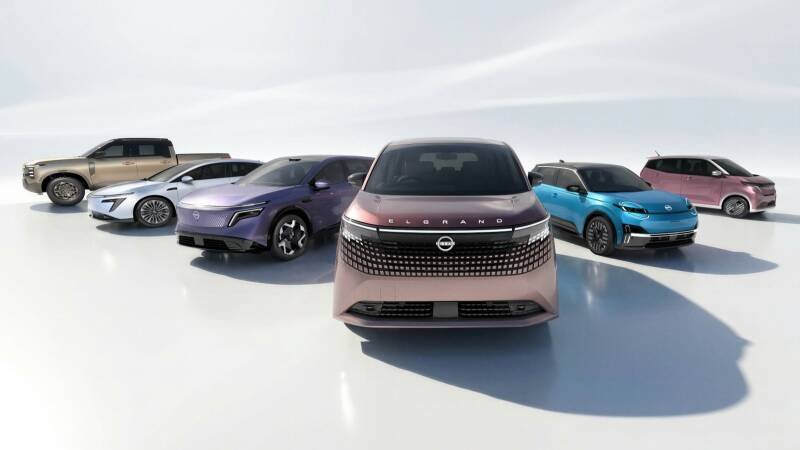



Nissan is discontinuing 11 models. Find out why, what it means for consumers, and what the future holds for the automaker.
Nissan, a major player in the automotive industry, is making some significant changes. The company has announced plans to discontinue 11 models. This is a big deal and could impact consumers and the automotive market as a whole. Let's break down what's happening and why.
Nissan is streamlining its product lineup. This means getting rid of models that aren't selling well or don't fit with the company's future strategy. While Nissan hasn't specifically named which 11 models are on the chopping block, the decision is part of a larger restructuring plan to improve profitability and focus on more popular and profitable vehicles.
The automotive industry is constantly evolving. Factors like changing consumer preferences, the rise of electric vehicles (EVs), and economic pressures all play a role. Nissan, like many other automakers, is adapting to these changes.
Here are a few key reasons behind this move:
This news matters to several groups:
In our opinion, this is a necessary step for Nissan to remain competitive in the long run. The automotive industry is undergoing a massive transformation, and companies need to adapt to survive. By streamlining its product lineup and focusing on key areas, Nissan can improve its profitability and invest in future technologies.
However, there are risks involved. Discontinuing popular models could alienate some customers. Nissan needs to carefully manage this transition and ensure it offers appealing alternatives. Also, focusing too heavily on a few segments could leave the company vulnerable to future shifts in consumer demand.
It's reasonable to expect that the used prices on affected Nissan models will drop because of fear that parts availability will become difficult or service will be more expensive.
Looking ahead, we expect Nissan to focus on developing new EVs and updating its existing SUV and crossover lineup. The company will likely invest heavily in autonomous driving technology and other advanced features.
This restructuring could also lead to increased collaboration with other automakers. The automotive industry is becoming increasingly collaborative, with companies sharing technology and resources to reduce costs and accelerate innovation.
This could impact the types of vehicles we see on the road in the future. Expect more EVs, more SUVs and crossovers, and fewer sedans and other traditional car types.
Ultimately, Nissan's success will depend on its ability to adapt to changing consumer preferences, embrace new technologies, and manage its business efficiently.