School Dropout Crisis Among Tribal Children in Madhya Pradesh: A Deep Dive
Rising school dropout rates among tribal children in Madhya Pradesh are raising alarms. Explore the causes, government response, and potential solutions in our in-depth analysis.
School Dropout Crisis Among Tribal Children in Madhya Pradesh: A Deep Dive
The rising school dropout rates among tribal children in Madhya Pradesh have become a serious concern, prompting action from both the Governor and Chief Minister. This isn't just a statistic; it represents a significant challenge to the future of these children and the overall development of the state.
Governor's Concerns and Key Issues
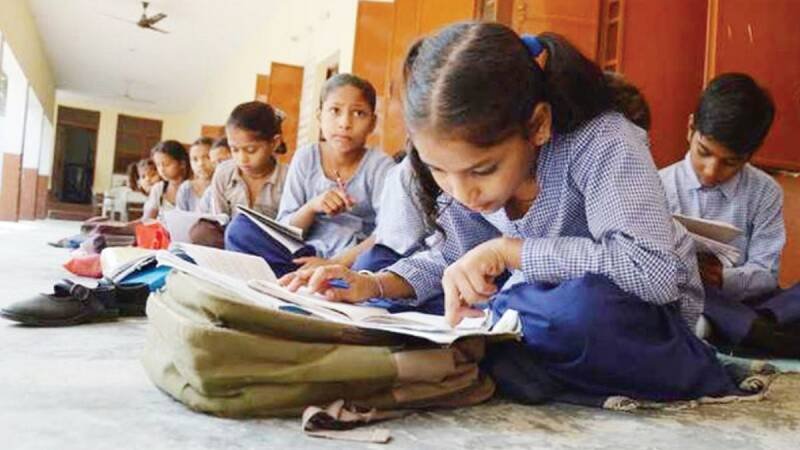
Governor Mangubhai Patel has voiced strong concerns about the increasing number of tribal children leaving school. He highlighted several critical factors contributing to this issue, including:
- Distance to Schools: Many tribal communities live in remote areas, making the journey to school long and arduous, especially for young children.
- Lack of Toilets: Inadequate sanitation facilities in schools, particularly for girls, can be a significant deterrent to attendance.
- Poor Infrastructure: Dilapidated classrooms, lack of basic amenities like clean drinking water, and insufficient learning resources create an unsupportive learning environment.
Chief Minister's Response and Focus on Solar Energy
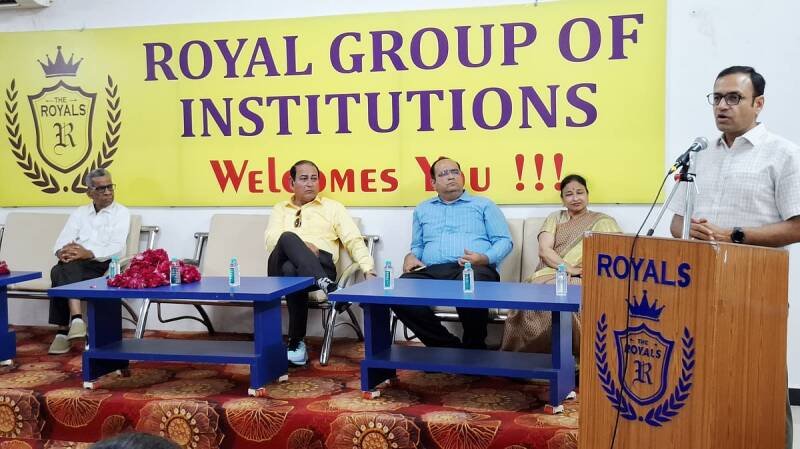
Chief Minister Mohan Yadav addressed the issue at a workshop in Bhopal, emphasizing the government's commitment to improving the situation. A key part of their strategy involves promoting solar energy in tribal villages. The CM stated that over 78% of funds allocated under various sub-schemes have been utilized. The idea here is that reliable electricity can improve education infrastructure and overall quality of life.
Why This News Matters
This news matters because it shines a light on the systemic challenges faced by tribal communities in accessing quality education. A high dropout rate has long-term consequences, leading to:
- Limited Opportunities: Without education, these children are likely to remain trapped in cycles of poverty and disadvantage.
- Social Inequality: The education gap widens the divide between tribal communities and the rest of society.
- Economic Impact: A less educated workforce hinders the state's economic growth and development.
Addressing this issue is crucial for promoting social justice, economic development, and the overall well-being of Madhya Pradesh.
Our Analysis
In our opinion, while the government's focus on solar energy is a positive step, it's crucial to address the root causes of the dropout problem directly. While electricity is undoubtedly important, it does not fully address problems like unsafe journeys to school and inadequate sanitation facilities. Simply having solar panels doesn't guarantee children will attend or thrive in school.
Furthermore, the 78% utilization of funds, while seemingly positive, needs further scrutiny. We need to understand what these funds were used for and whether they effectively addressed the specific challenges faced by tribal children in accessing education. Were they directed toward building better infrastructure, providing transportation, or improving teaching quality? These factors will be fundamental in addressing the core issues at hand.
The Human Cost
Beyond the statistics and policy discussions, it's important to remember the individual stories of the children affected. These are children with dreams and aspirations, whose potential is being stifled by a lack of opportunity. Addressing their needs requires a holistic approach that considers their specific circumstances and cultural context. This demands that we listen and act.
Future Outlook
The future depends on sustained and targeted efforts. Here's what we believe needs to happen:
- Increased Investment: Allocate more resources specifically to improve infrastructure, sanitation, and transportation in tribal areas.
- Community Involvement: Engage with tribal communities to understand their needs and involve them in developing solutions.
- Teacher Training: Provide specialized training for teachers working in tribal schools, focusing on cultural sensitivity and effective teaching methods.
- Monitoring and Evaluation: Implement robust monitoring systems to track progress and ensure that interventions are effective.
This could impact the long-term wellbeing of these communities. In the future, if the government continues to support funding for this region, it is likely we will see improvements in education in the area. However, sustained effort and dedication is key.