Iowa Early Childhood Funding Shift: What It Means for Families
A proposed amendment shifts funding for Iowa's Early Childhood Iowa program to Iowa Health and Human Services. We analyze the potential impacts on families and childcare in the state.
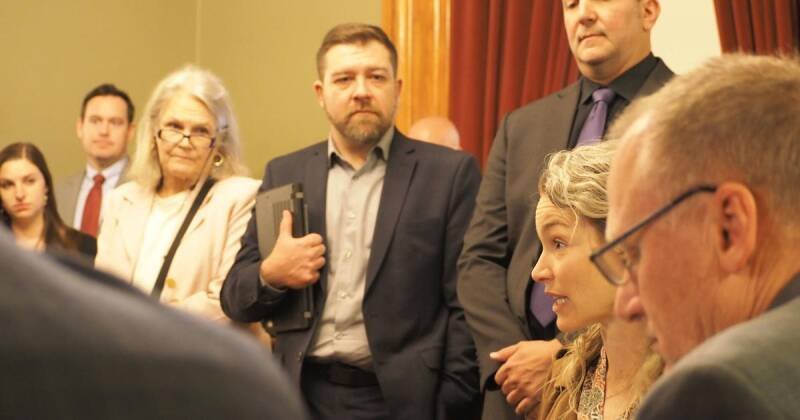



A proposed amendment shifts funding for Iowa's Early Childhood Iowa program to Iowa Health and Human Services. We analyze the potential impacts on families and childcare in the state.
A proposed amendment is causing a stir in Iowa's early childhood education landscape. The amendment would shift the funding streams for the Early Childhood Iowa (ECI) program to the control of Iowa Health and Human Services (HHS). This change has sparked concern among advocates for early childhood development, who believe there might be alternative ways to secure federal funding without restructuring the existing system.
Early Childhood Iowa is a statewide initiative focused on improving the well-being of young children and their families. It provides resources and support for various programs, including:
ECI operates through local area boards that assess community needs and develop strategies to address them. It's a decentralized approach designed to be responsive to the specific challenges and opportunities in each region of Iowa.
The amendment in question would consolidate the financial management of ECI under Iowa Health and Human Services. Proponents of the amendment argue that this move would streamline operations and potentially unlock additional federal funding. They suggest that by integrating ECI's funding within the HHS umbrella, the state can more effectively leverage federal resources available for early childhood programs.
However, advocates for ECI have voiced strong concerns. Their primary argument centers on the belief that federal funding can be accessed without fundamentally altering the existing structure of the program. They fear that shifting funding to HHS could diminish the local control and responsiveness that has been a hallmark of ECI. In our opinion, this is a valid concern, as centralized control can sometimes lead to a disconnect from the specific needs of individual communities.
This potential shift in funding has significant implications for Iowa families and children. Access to quality early childhood education and support services is crucial for a child's development. If the amendment leads to disruptions in funding or program delivery, it could negatively impact:
Ultimately, the children of Iowa are the ones who will be most affected. Ensuring they have access to the best possible start in life is an investment in the future of the state.
The key question is whether the potential benefits of increased federal funding outweigh the risks associated with shifting control to HHS. While streamlining operations and maximizing federal resources are laudable goals, it's crucial to consider the potential downsides of a more centralized approach. This could impact how responsive ECI becomes to local community needs. Will the voices of local stakeholders still be heard as clearly? Will programs tailored to specific community challenges be maintained? These are critical questions that need to be addressed.
Furthermore, the argument that federal funding cannot be accessed without this amendment seems questionable. Advocates claim there are other avenues to explore. A thorough and transparent evaluation of all options is necessary before making such a significant change to ECI's structure. In our opinion, a more collaborative approach, involving all stakeholders, would be beneficial.
The future of ECI depends on how lawmakers address the concerns raised by advocates. There is a need to achieve a delicate balance between maximizing federal funding opportunities and preserving the program's core strengths – its local responsiveness and community-based approach.
Looking ahead, several scenarios are possible:
Regardless of the outcome, ongoing dialogue and collaboration between lawmakers, advocates, and community stakeholders will be essential to ensure the long-term success of Early Childhood Iowa and the well-being of Iowa's youngest citizens.