Illinois Considers Regulating Prediction Markets: What it Means for You
Illinois is looking at regulating prediction markets amidst a federal lawsuit. Learn about the potential changes, impacts, and future of this growing industry.



Illinois is looking at regulating prediction markets amidst a federal lawsuit. Learn about the potential changes, impacts, and future of this growing industry.
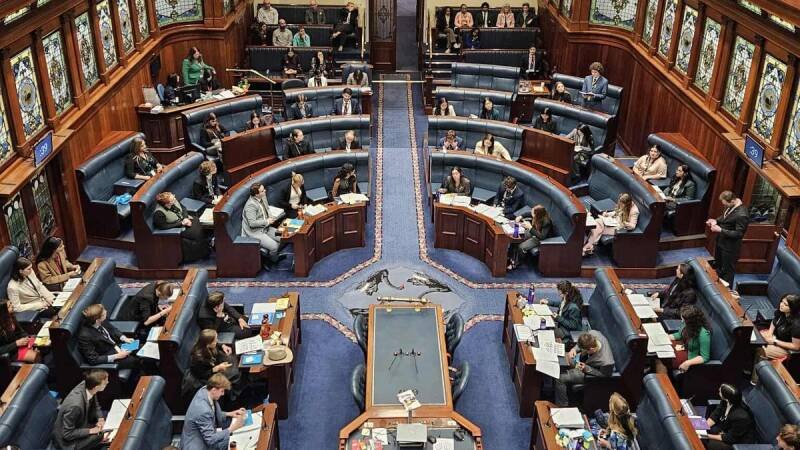
Illinois lawmakers are currently exploring the possibility of regulating and taxing prediction markets. This move comes at a time when the industry is facing increased scrutiny, including a federal lawsuit. Let's break down what this means for Illinois and the future of these unique platforms.
Prediction markets, sometimes called event wagering, are exchange-traded markets where individuals can buy and sell contracts that pay out based on the outcome of future events. These events can range from political elections and economic indicators to sporting events and even scientific breakthroughs. Think of it like betting on the future, but with a twist – the collective wisdom of the crowd helps determine the probabilities.
Popular platforms like PredictIt and Kalshi have gained traction, allowing users to trade on various events. These markets are often touted for their ability to accurately forecast outcomes, providing valuable insights into public opinion and future trends.
The potential regulation of prediction markets in Illinois has several important implications:
The move by Illinois lawmakers indicates a growing recognition of the potential benefits of prediction markets. However, the federal lawsuit represents a significant hurdle. The core issue is often whether these markets are considered gambling or a form of information gathering and forecasting. In our opinion, the argument that they are primarily for information gathering has merit, especially when used for research or forecasting purposes.
The key will be striking a balance between regulation and innovation. Overly restrictive regulations could stifle the growth of the industry, while a lack of oversight could expose users to risks. Illinois' approach could set a precedent for other states considering similar legislation.
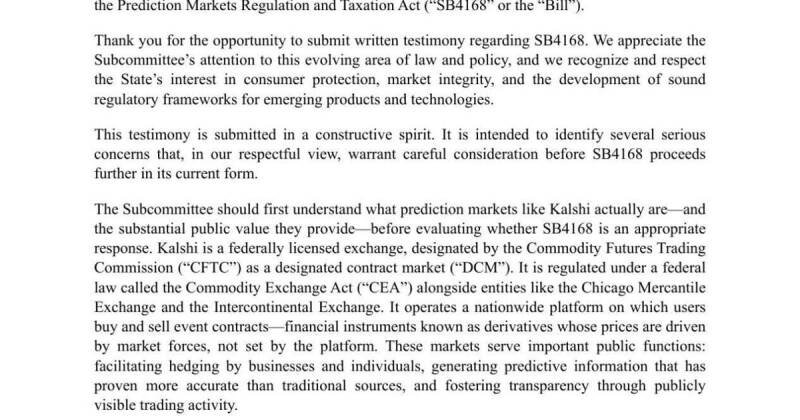
PredictIt, for example, has faced regulatory challenges in the past. Kalshi, another prominent player, operates with a license from the Commodity Futures Trading Commission (CFTC). These platforms represent different approaches to navigating the regulatory landscape. The success of these platforms in Illinois will likely depend on the specific regulations implemented by the state.
The future of prediction markets in Illinois, and indeed across the U.S., remains uncertain. Several factors will influence their trajectory:
This could impact how we view and engage with future events, offering new ways to understand probabilities and anticipate outcomes. We believe Illinois' actions will be closely watched by other states and the federal government, potentially paving the way for a more widespread acceptance and regulation of prediction markets in the years to come.
Ultimately, the goal should be to foster a responsible and innovative environment that allows these markets to flourish while protecting consumers and ensuring fair practices. The debate in Illinois is just the beginning of what promises to be a dynamic and evolving landscape.