Hurricane Preparedness and Recovery: Staying Safe and Informed
Learn how to prepare for a hurricane, stay safe during the storm, and recover effectively afterward. Expert analysis and future outlook included.



Learn how to prepare for a hurricane, stay safe during the storm, and recover effectively afterward. Expert analysis and future outlook included.
As we brace ourselves for another potential hurricane, it's crucial to be prepared. After the devastation of Typhoon Mawar, it is hard to imagine facing another disaster, but knowing how to protect yourself, your loved ones, and your property is paramount.
Hurricanes, also known as typhoons or cyclones depending on their location, are powerful storms characterized by strong winds, heavy rainfall, and potential for flooding. These storms can cause widespread damage and pose significant risks to life and property. Therefore, understanding the potential impact of an incoming storm is the first step in effective preparedness.
The cornerstone of hurricane preparedness is a comprehensive emergency plan. This plan should outline evacuation routes, meeting points for family members, and communication strategies in case you are separated. It's important to practice your plan regularly to ensure everyone knows what to do.
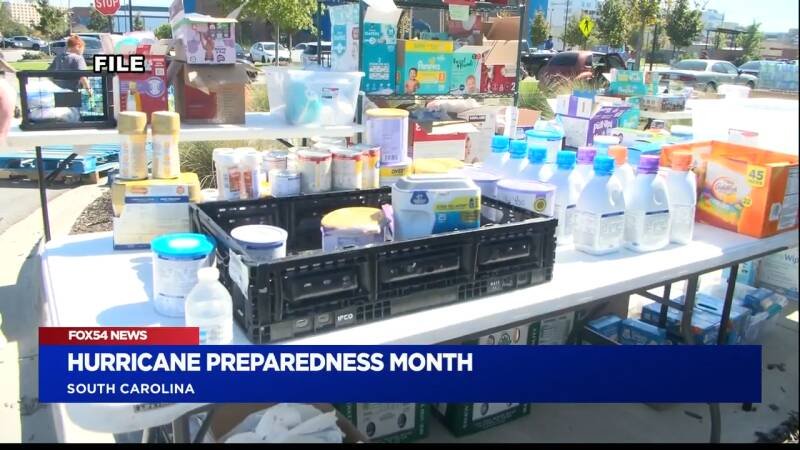
Assemble a disaster supply kit that includes:
Protect your home by taking these measures:
Monitor weather forecasts and official warnings from reputable sources like the National Hurricane Center or your local news outlets. Sign up for emergency alerts to receive timely updates on the storm's progress and potential impact. Make sure to have a reliable method to get this information, even if the power goes out.
If you are not evacuating, stay indoors in a designated safe room or the most interior room of your home, away from windows and doors. If authorities call for an evacuation, adhere to this immediately.
Never drive or walk through floodwaters. Even shallow water can be dangerous and potentially hide hazards. Floodwaters can be contaminated and can harbor dangerous debris.
Use water and food sparingly. If the power goes out, turn off major appliances to prevent a surge when power is restored.
Once the storm has passed and authorities have declared it safe, carefully assess the damage to your property. Document any damage with photos or videos for insurance purposes.
Contact your insurance company as soon as possible to file a claim for any damage. Provide them with detailed information and documentation to support your claim. Understand what your policy covers and what it does not.
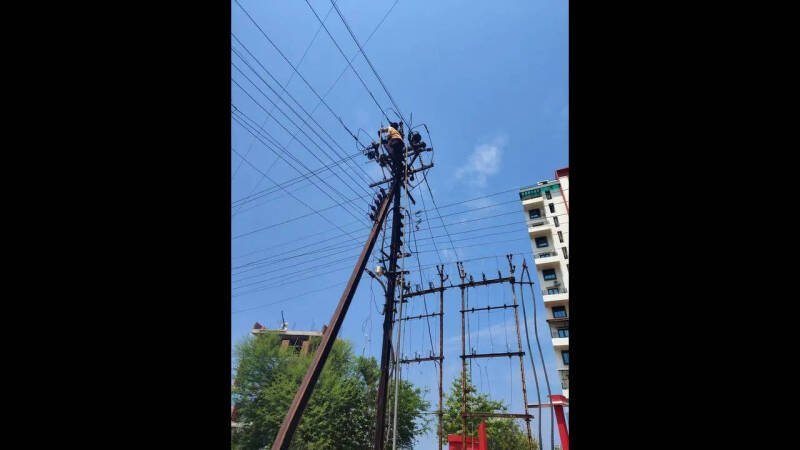
Be aware of potential hazards such as downed power lines, contaminated water, and structural damage. Avoid contact with electrical wires and report them to the authorities immediately.
If you need assistance, contact local emergency services, FEMA, or other relief organizations. They can provide food, shelter, medical assistance, and other essential resources.
The threat of hurricanes and other severe weather events is increasing, making preparedness more critical than ever. Understanding how to prepare for, survive, and recover from a hurricane can significantly reduce the impact on your life and community. Taking proactive steps now can save lives and minimize property damage. In our opinion, being informed is the best way to protect yourself and loved ones.
We believe that communities need to focus on resilience. Simply reacting to storms isn't enough. We need to invest in infrastructure improvements, promote sustainable building practices, and educate residents on preparedness strategies. This includes fostering stronger community bonds, so neighbors can support each other in times of need. This could impact long-term costs of disasters and community morale.
As climate change continues to intensify, we can expect to see more frequent and intense hurricanes. This means that preparedness efforts must evolve to meet the changing risks. We anticipate increased investment in forecasting technology, improved building codes, and more robust evacuation plans. Furthermore, individuals will need to take greater personal responsibility for their own safety and preparedness. In the coming years, having a comprehensive plan, a well-stocked emergency kit, and the ability to adapt will be vital for navigating an increasingly uncertain future.