Swiftwater Rescue Training at Sooke Potholes: Why it Matters
Search and rescue teams practice swiftwater rescues at Sooke Potholes. Learn why this training is crucial for community safety and future emergency preparedness.



Search and rescue teams practice swiftwater rescues at Sooke Potholes. Learn why this training is crucial for community safety and future emergency preparedness.
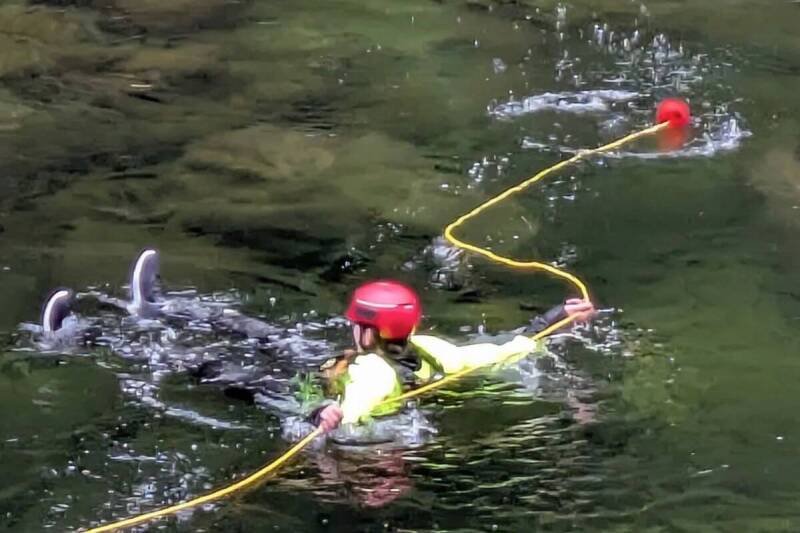
Search and rescue (SAR) teams recently conducted vital swiftwater rescue training exercises at the Sooke Potholes Regional Park in British Columbia. These exercises are essential for ensuring rescue personnel are well-prepared to respond to emergencies involving fast-moving water, a common hazard in many regions, particularly during periods of heavy rainfall or flooding.
The training involved simulating various rescue scenarios, including rescuing individuals stranded in the water, navigating challenging currents, and utilizing specialized equipment such as ropes, rafts, and personal protective gear. The Sooke Potholes, with its diverse water conditions, provides an ideal environment for realistic training simulations.
Swiftwater rescue training is intense and demanding. It involves a combination of classroom instruction and hands-on practice. Teams learn about:
This news is crucial because it highlights the ongoing efforts to maintain and improve emergency preparedness within the community. Swiftwater rescues are inherently dangerous, and properly trained personnel are essential for saving lives. These exercises demonstrate a commitment to ensuring rescue teams have the skills and experience necessary to respond effectively to water-related emergencies.
Without consistent training, SAR teams risk being unprepared, potentially leading to slower response times and increased danger for both rescuers and victims. By practicing in realistic environments like Sooke Potholes, teams can build confidence and refine their skills, ultimately making our communities safer.
In our opinion, these training exercises are a smart investment in community safety. Vancouver Island, like many regions, is susceptible to flash floods and unpredictable river conditions. The Sooke Potholes provide a challenging yet controlled environment for practicing critical rescue techniques. The dedication of these volunteers and professionals deserves recognition.
It's also important to note the collaborative nature of these exercises. Often, multiple agencies, including local fire departments, ambulance services, and specialized SAR teams, participate in these events. This collaborative approach ensures a coordinated response during real-world emergencies. This could impact response times and overall rescue effectiveness in the future.
The need for swiftwater rescue training will likely continue to grow due to the increasing frequency and intensity of extreme weather events related to climate change. We can expect to see:
Moving forward, it's vital that governments and communities continue to support these training initiatives. This includes providing adequate funding, resources, and access to suitable training locations. Furthermore, public education campaigns on water safety are essential to prevent accidents and reduce the need for rescues in the first place.
Ultimately, the dedication and preparedness of swiftwater rescue teams are a vital lifeline for communities facing the dangers of fast-moving water. Their ongoing training at locations like Sooke Potholes is an essential investment in the safety and well-being of all.