Kelowna Power Outage: Fast Restoration and What It Means For You
A power outage affected nearly 3,000 homes in Kelowna. Learn about the cause, restoration efforts, and the potential impacts on the community. Plus, our analysis of the power grid resilience.
Kelowna Power Outage Affects Thousands, Restoration Underway
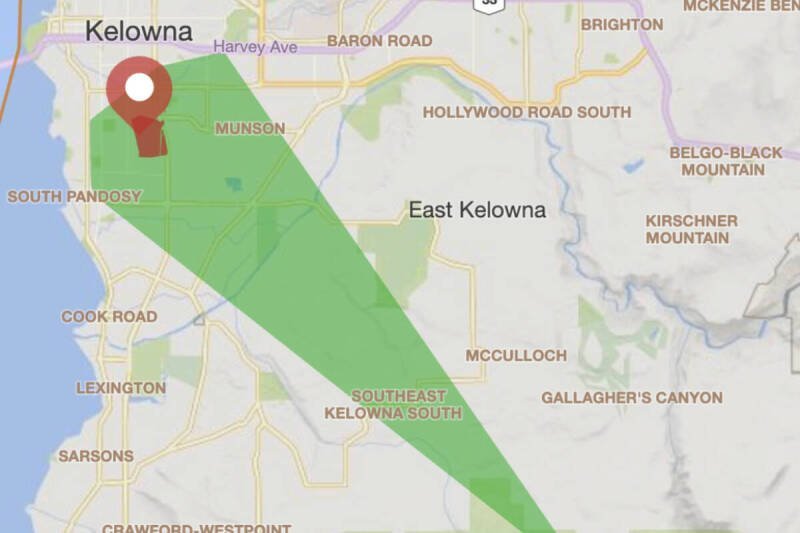
A sudden power outage left 2,770 homes and businesses in Kelowna, British Columbia, without electricity earlier today. BC Hydro crews are working diligently to restore power, and estimates point to a swift return to normalcy. We aim to provide context and analysis beyond the headlines.
The Situation
The outage impacted a significant portion of Kelowna, causing disruption to daily routines and business operations. While the exact cause wasn't immediately specified, power outages can stem from various factors, including equipment failure, weather-related damage, or even animal interference with power lines.
Restoration Efforts
BC Hydro, the province's primary electricity provider, dispatched crews to the affected area as soon as the outage was reported. They are assessing the damage and implementing necessary repairs to bring the power grid back online. Updates will be provided on their website. Based on initial reports, BC Hydro is aiming for a relatively quick restoration, which is positive news for residents and businesses.
Why This News Matters
Power outages, even brief ones, highlight our reliance on a stable electricity supply. They can affect everything from home appliances and heating to essential services like hospitals and traffic lights. Furthermore, frequent outages can indicate potential vulnerabilities in the power grid infrastructure.
Community Impact
Beyond the inconvenience of not being able to use appliances, a power outage can have real consequences. Food spoilage in refrigerators and freezers, disruption to work schedules, and potential safety concerns (especially for those dependent on medical equipment) are just a few of the potential impacts.
Our Analysis
While the quick response from BC Hydro is commendable, this incident raises questions about the long-term resilience of the power grid. In our opinion, regular investment in infrastructure upgrades and preventative maintenance is crucial to minimize future disruptions. BC's increasing population and extreme weather events exacerbate the strain on the existing infrastructure.
Investing in a Resilient Grid
A proactive approach to grid management includes:
- Regular inspections and maintenance of power lines and equipment
- Upgrading aging infrastructure
- Implementing smart grid technologies to better manage power flow and identify potential problems
- Investing in backup power systems for critical infrastructure like hospitals and emergency services
Future Outlook
The frequency and severity of power outages are likely to increase in the coming years due to climate change and growing demand for electricity. This makes it essential to prioritize grid resilience and invest in sustainable energy solutions.
What Can Residents Do?
While BC Hydro is responsible for maintaining the power grid, residents can take steps to prepare for future outages. This includes having a backup power source (like a generator or battery bank), stocking up on non-perishable food and water, and knowing how to safely operate essential appliances during an outage. Also, signing up for outage alerts is important to stay informed. This could impact how well you prepare for an incident.
Long-Term Solutions
Investing in renewable energy sources like solar and wind power can help diversify the energy supply and reduce reliance on centralized power plants, potentially making the grid more resilient to disruptions. Smart grids, which use advanced technology to monitor and manage power flow, can also improve efficiency and prevent outages. In the long run, these solutions offer a path toward a more sustainable and reliable energy future.