Highland Council Settles Discrimination Cases: What It Means for You
The Highland Council has settled multiple discrimination and unfair dismissal cases. Find out why this matters, our expert analysis, and the future implications.
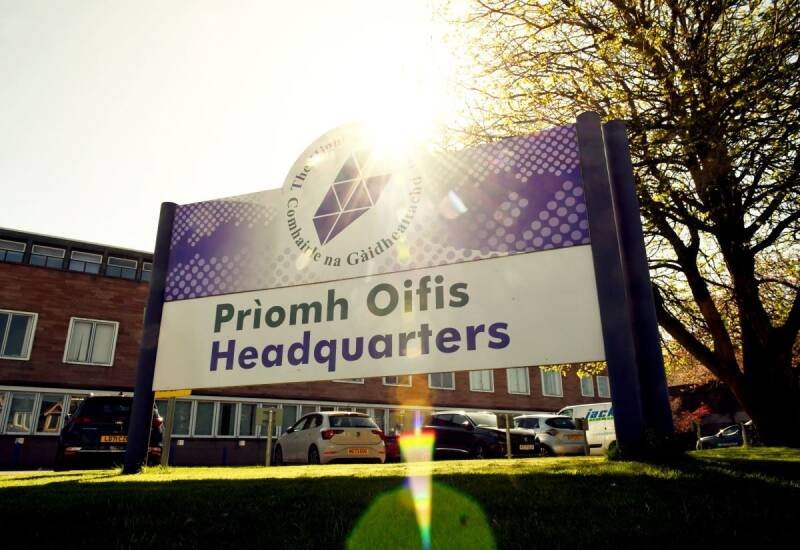



The Highland Council has settled multiple discrimination and unfair dismissal cases. Find out why this matters, our expert analysis, and the future implications.
The Highland Council in Scotland has recently settled five employment-related cases. Three of these involved disability discrimination, while the other two concerned unfair dismissal. This news raises serious questions about the council's employment practices and its commitment to a fair and inclusive workplace.
While specific details of the settlements remain confidential, the fact that the Highland Council chose to settle indicates that they likely acknowledged some level of wrongdoing, or at least recognized the potential for an unfavorable outcome in court. Disability discrimination cases often involve issues such as failure to make reasonable adjustments for employees with disabilities, or treating disabled employees less favorably than their non-disabled counterparts. Unfair dismissal cases, on the other hand, typically revolve around improper termination of employment contracts without following due process or having a justifiable reason.
Furthermore, reports indicate the Highland Council is still involved in other ongoing legal battles relating to disability, maternity, pregnancy, and victimisation. This suggests that the settled cases may only be the tip of the iceberg, hinting at a potentially systemic issue within the council's HR policies and management practices.
This news is significant for several reasons:
In our opinion, the number of cases involving the Highland Council is concerning. While isolated incidents can occur in any organization, multiple cases across different protected characteristics suggest a potential systemic problem. This could stem from inadequate training for managers, poorly defined HR policies, or a lack of effective mechanisms for addressing employee grievances.
It's also crucial to consider the impact on employee morale. A workplace where discrimination and unfair treatment are perceived to be prevalent can lead to a toxic environment, reduced productivity, and increased employee turnover. This could negatively affect the council's ability to deliver essential services to the community.
The council's decision to settle, rather than fight these cases in court, could indicate a desire to avoid further public scrutiny and minimize potential reputational damage. However, it also raises questions about transparency and whether the council is truly committed to addressing the underlying issues.
The Highland Council now faces the challenge of rebuilding trust and demonstrating a genuine commitment to creating a fair and inclusive workplace. This will require a multi-faceted approach, including:
This could impact other governmental organisations to take action in making sure their policies and processes are updated and adhered to.
Ultimately, the success of these efforts will depend on the Highland Council's willingness to acknowledge the issues, take concrete action, and demonstrate a genuine commitment to change. The council has a responsibility to its employees and the community it serves to create a workplace where everyone is treated with dignity and respect.