Bernie Sanders and His Vermont Roots: Why It Matters
Explore Bernie Sanders' Vermont residency and its implications. We analyze why his roots matter, potential future impacts, and offer our unique perspective.



Explore Bernie Sanders' Vermont residency and its implications. We analyze why his roots matter, potential future impacts, and offer our unique perspective.
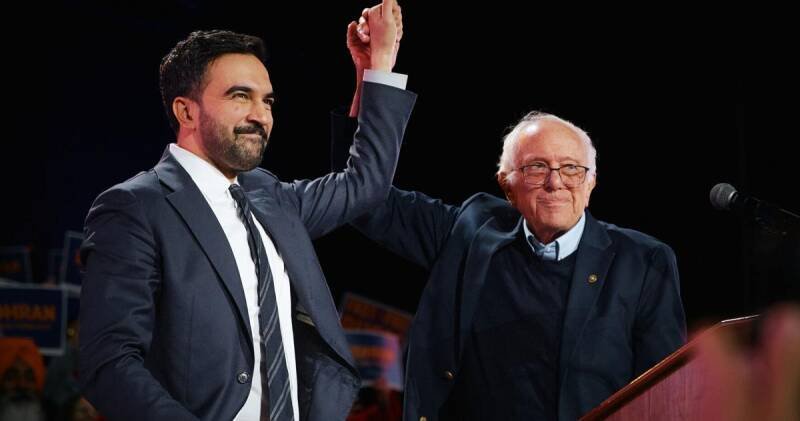
While often associated with a certain Brooklyn "tough guy" persona, Senator Bernie Sanders is, and has been for decades, a resident of Vermont. This might seem like a minor detail, but it's a key aspect of his political identity and one that often gets overlooked, especially by those outside of Vermont.
The fact that Sanders left New York City nearly 60 years ago sometimes seems lost in the political discourse. He traded the bustling city life for the Green Mountain State, embracing its rural charm and unique political landscape. This transition has significantly shaped his political views and policies, positioning him as a voice for rural America.
Understanding where a politician comes from and the experiences that shaped them is crucial to understanding their motivations and policies. Sanders' long-time residency in Vermont provides a lens through which to view his political positions, particularly those related to rural development, environmental protection, and economic inequality. His commitment to Vermont informs his approach to national issues. His deep understanding of the issues facing rural communities adds value to his perspectives.
Sanders' Vermont residency underscores his appeal to voters outside of major metropolitan areas. He represents a constituency often overlooked in national politics, and his policies often reflect the needs and concerns of rural communities. It’s a critical component of how many of his supporters perceive him. In our opinion, this connection to Vermont is a crucial element of his political brand.
The narrative surrounding Sanders often focuses on his "Brooklyn tough guy" image, likely due to his accent and early life. However, his decades in Vermont have undoubtedly had a more profound impact on his political beliefs. This discrepancy between perception and reality highlights the complexities of political identity. Media and voters alike are drawn to a catchy narrative rather than the full picture.
Sanders' success, especially in early primary states like New Hampshire, demonstrates the power of appealing to rural voters. His policies and rhetoric resonate with those who feel left behind by globalization and urban-centric policies. He taps into a feeling of neglect that is very real for many rural Americans.
As Sanders remains a prominent voice in American politics, his Vermont identity will continue to be a relevant factor. This could impact his future political endeavors, potentially influencing his endorsements and the policies he champions. He offers himself to the electorate as a politician with a deep connection to both urban and rural issues.
Even if Sanders doesn't run for president again, his influence on the Democratic party will be felt for years to come. Understanding his Vermont roots helps to contextualize his political positions and predict his future involvement in national debates. His presence on the political stage will continue to shape the conversation around income inequality, healthcare, and environmental protection. It’s worth watching how his legacy will continue to affect policy debates.
Ultimately, understanding Bernie Sanders' connection to Vermont is essential for understanding his politics. It adds depth and context to his positions on various issues, and helps to dispel the simplistic narrative of a "Brooklyn tough guy." This provides a fuller understanding of a complex political figure.