Belarus Truck Border Reservations: What You Need to Know
New rules for truck entry into Belarus begin April 1st. Learn about the electronic queue system, Resolution No. 152, and how it impacts cross-border transportation.
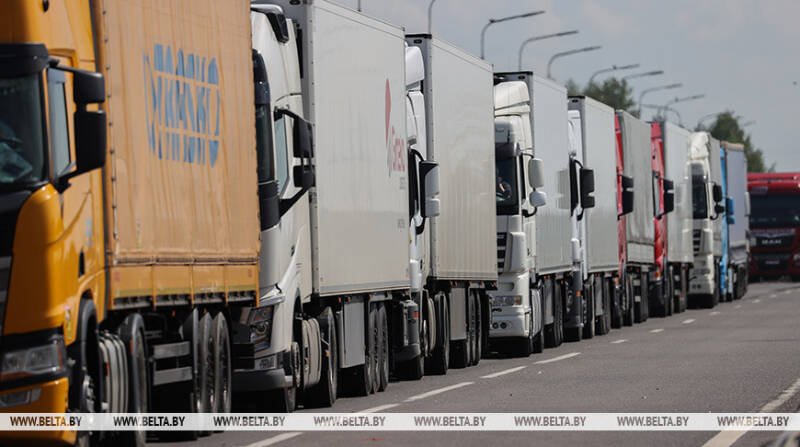



New rules for truck entry into Belarus begin April 1st. Learn about the electronic queue system, Resolution No. 152, and how it impacts cross-border transportation.
Starting April 1st, changes are coming to how trucks enter Belarus. These changes affect the electronic queue system used to manage traffic at border crossings. The new rules are based on Resolution No. 152, issued by the Council of Ministers on March 31st, 2026. Essentially, truck drivers will now need to reserve a specific date to enter the country.
The electronic queue system is designed to streamline border crossings and reduce congestion. Instead of trucks waiting in long lines, they can register online and receive a designated time slot to enter. This system aims to make the process more efficient for both drivers and border control officials. These changes will change the operation of the system. The reservation of entry dates is the most important update to be aware of.
This new regulation has significant implications for businesses involved in trade with Belarus. Trucking companies, logistics providers, and manufacturers who rely on cross-border transportation will need to adapt to the new system. Failure to comply with the reservation requirements could result in delays and disruptions to their supply chains.
For businesses importing goods into Belarus, this could mean higher transportation costs or the need to adjust delivery schedules. Exporting companies will also need to ensure their carriers are aware of the new rules and have secured the necessary reservations.
In our opinion, this change is likely intended to improve border control and reduce illegal activities. By requiring advance reservations, Belarusian authorities can better monitor and manage the flow of goods entering the country. However, the new system could also create bureaucratic hurdles and increase costs for businesses.
One potential issue is the availability of reservation slots. If demand exceeds capacity, companies could face difficulty securing the dates they need, leading to delays and increased expenses. The system needs to be properly designed with enough capacity.
The success of this new system will depend on its implementation and how well it addresses the needs of businesses and border authorities alike. It's crucial that the electronic queue system is user-friendly, efficient, and transparent. In our opinion, transparency and communication from the Belarusian government will be key to smooth implementation.
This could impact trade relationships with neighboring countries as well. If the new system proves to be too cumbersome, businesses may seek alternative routes or transportation methods. Close monitoring of the system's performance and feedback from stakeholders will be essential to make necessary adjustments and improvements.
Ultimately, the goal is to create a border crossing process that is both secure and efficient, facilitating trade while ensuring compliance with regulations. We believe this is achievable, but it will require careful planning, execution, and ongoing collaboration.