Asian Governments React to Strait of Hormuz Crisis: Fuel Costs Soar
Geopolitical tensions are impacting Asian economies. Learn how governments are responding to rising fuel costs due to the Strait of Hormuz crisis.
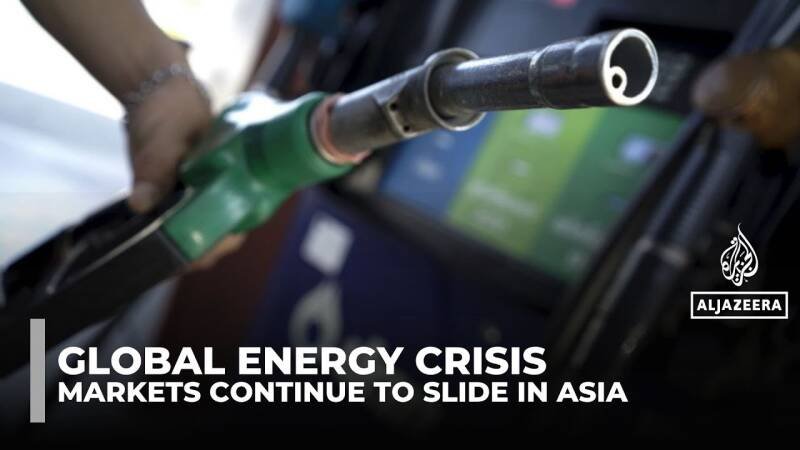



Geopolitical tensions are impacting Asian economies. Learn how governments are responding to rising fuel costs due to the Strait of Hormuz crisis.
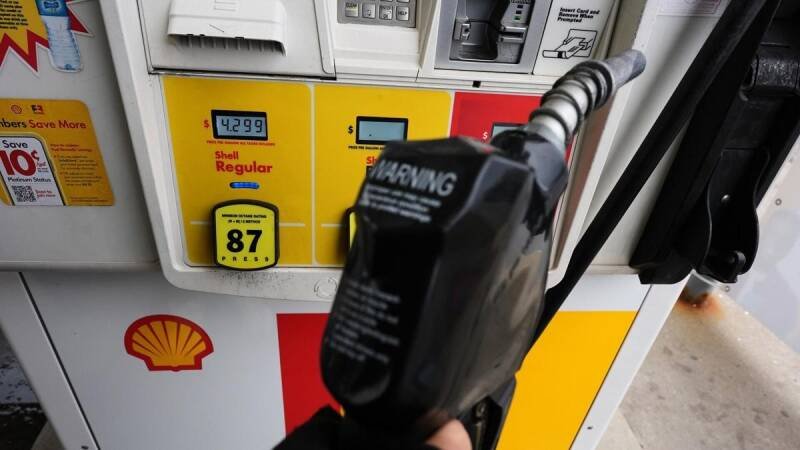
Asian governments are working overtime to manage the fallout from escalating tensions in the Middle East, particularly around the Strait of Hormuz. The crisis, fueled by ongoing conflicts and potential disruptions to shipping lanes, is causing fuel prices to skyrocket, placing significant strain on economies across the region.
The Strait of Hormuz, a narrow waterway connecting the Persian Gulf to the Gulf of Oman, is a critical chokepoint for global oil supplies. Any disruption here has immediate and widespread consequences. With increased instability in the region, there's a real fear of the Strait being closed or experiencing significant delays. This directly impacts the cost of transporting oil and gas to Asia, a region heavily reliant on these energy sources.
This situation is further complicated by other geopolitical factors, including international relations with Iran, which plays a significant role in the region.
Across Asia, governments are implementing a variety of measures to mitigate the impact of rising fuel costs:
This isn't just about higher prices at the pump. The Strait of Hormuz crisis and its impact on fuel costs have far-reaching implications:
In our opinion, the situation in the Strait of Hormuz is a major threat to Asian economies. The region's dependence on imported energy makes it particularly vulnerable to disruptions in global supply chains. The speed and effectiveness of government responses will be crucial in determining the severity of the economic impact.
We believe that a coordinated regional approach is essential. Countries need to share information, coordinate energy policies, and explore alternative energy sources to reduce their reliance on the Strait of Hormuz. Diversifying energy sources and investing in renewable energy are no longer just environmental goals; they are critical for economic security.
The future remains uncertain. If tensions in the Middle East continue to escalate, we can expect further disruptions to energy supplies and even higher fuel costs. This could impact everything from manufacturing to transportation to agriculture.
However, there are also opportunities. This crisis could accelerate the transition to cleaner energy sources, promoting innovation and creating new jobs in the renewable energy sector. It could also encourage greater energy efficiency, reducing reliance on fossil fuels and promoting sustainable development.
Ultimately, the long-term impact of the Strait of Hormuz crisis will depend on how effectively governments, businesses, and individuals respond to the challenges and opportunities it presents. This could require difficult decisions and significant investments, but the alternative – continued vulnerability to global energy shocks – is simply not sustainable.