Zambia's Funeral Bill: Lessons from Burial Impasses and Future Implications
An analysis of Zambia's proposed 2026 bill on presidential funerals, examining the current challenges and potential future impact.
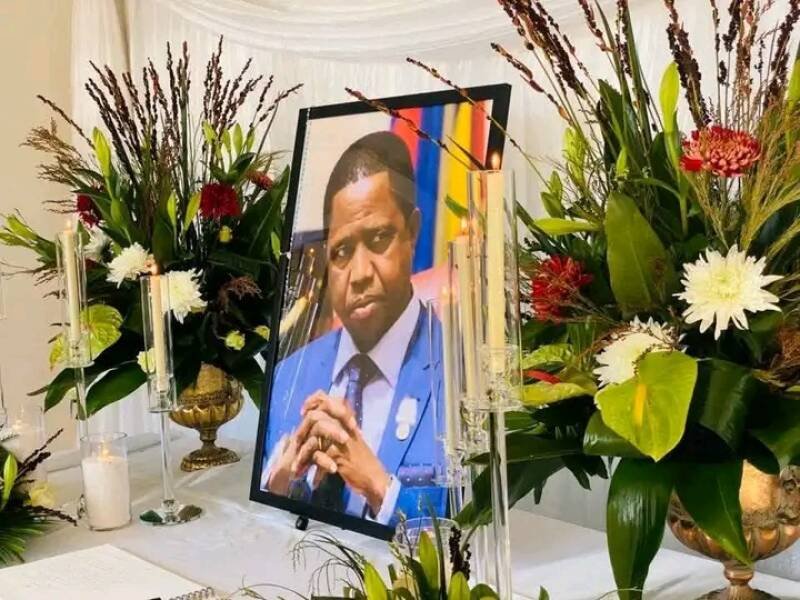



An analysis of Zambia's proposed 2026 bill on presidential funerals, examining the current challenges and potential future impact.
Zambia is currently considering the "Benefits of former Presidents and former Vice Presidents 2026 Bill," particularly section 8(1) which focuses on funeral benefits. This bill seeks to formalize the process surrounding the funerals of former national leaders. The Zambian Observer recently highlighted the need for this bill following some challenges encountered during recent high-profile burials.
While the specifics of section 8(1) are still under consideration, the intent is to define the benefits and procedures associated with the funerals of former Presidents and Vice Presidents. This includes outlining the state's responsibility in covering expenses, coordinating logistics, and ensuring a dignified ceremony. The goal is to avoid the kinds of impasses and disagreements that have plagued recent burials.
This bill matters because it addresses a sensitive and often contentious issue: how a nation honors its former leaders in death. When there's no clear legal framework, emotions can run high, and disagreements can arise regarding burial sites, funeral arrangements, and the level of state involvement. A well-defined bill can prevent these disputes and ensure a more respectful and unified process.
Beyond the immediate practicalities, the bill also reflects on Zambian values and traditions. How a nation treats its deceased leaders sends a powerful message about its respect for history, leadership, and national unity. This piece of legislation, therefore, carries significant symbolic weight.
In our opinion, the timing of this bill is crucial. Recent experiences have highlighted the need for a clear and comprehensive framework. The current ambiguity has led to unnecessary conflict and public debate, which ultimately detracts from the solemnity of the occasion.
One key aspect that the bill must address is the consultation process. Involving family members, relevant government bodies, and traditional leaders in the decision-making process is essential to avoid future disputes. Transparency and clear communication are also paramount.
Furthermore, the bill should consider the potential for future changes in political landscapes. It should be flexible enough to accommodate evolving societal norms and values, ensuring that the funeral arrangements remain dignified and respectful, regardless of the political climate.
The bill is not without its challenges. Some might argue that focusing on the benefits of former leaders, even in death, is a misplaced priority given other pressing national concerns like poverty and healthcare. Others may raise concerns about the potential for abuse or mismanagement of funds allocated for funeral arrangements.
It is crucial that the bill includes provisions for accountability and oversight to prevent any misuse of resources. The public must be assured that the funds are being used appropriately and that the funeral arrangements are carried out with integrity and transparency.
The successful implementation of this bill hinges on several factors. Firstly, the National Assembly must engage in thorough and inclusive consultations to ensure that the legislation reflects the needs and concerns of all stakeholders. Secondly, the bill must be drafted with clarity and precision to avoid any ambiguity or loopholes.
This could impact Zambian politics by setting a new precedent for how former leaders are honored, hopefully reducing disputes and fostering a more unified national identity. If implemented effectively, the bill can contribute to a more respectful and dignified process for honoring Zambia's former Presidents and Vice Presidents.
Ultimately, this bill represents an opportunity for Zambia to learn from past mistakes and create a more cohesive and respectful approach to honoring its leaders in death. Its success will depend on careful consideration, inclusive consultation, and a commitment to transparency and accountability.
























