CIMB Securities Cuts Bursa Malaysia ADV Forecasts: What It Means for Investors
CIMB Securities has revised its Bursa Malaysia ADV forecasts downward. Learn why this matters and how it could impact the market.
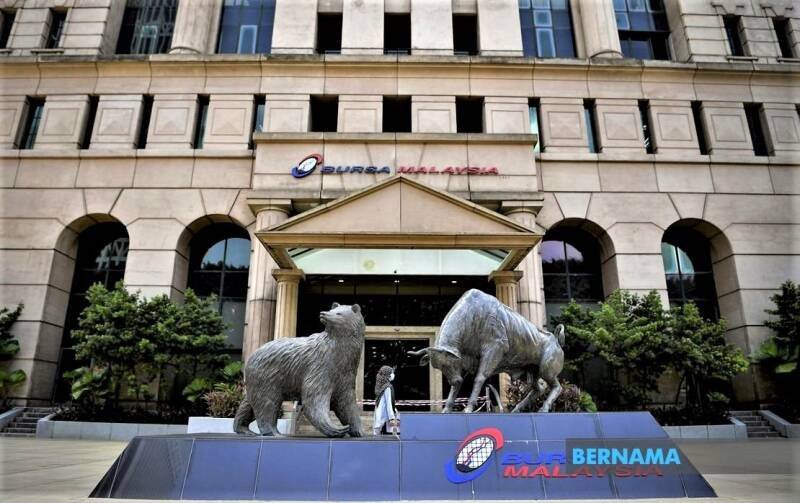



CIMB Securities has revised its Bursa Malaysia ADV forecasts downward. Learn why this matters and how it could impact the market.
CIMB Securities Sdn Bhd, a prominent stockbroker, has recently revised its projections for the average daily value (ADV) of equity trades on Bursa Malaysia, the Malaysian stock exchange. This adjustment impacts their financial forecasts for Bursa Malaysia Bhd for the fiscal years 2026, 2027, and 2028.
The new ADV forecasts are RM3.1 billion for FY2026, RM3.2 billion for FY2027, and RM3.3 billion for FY2028. This represents a decrease from their previous estimates of RM3.3 billion, RM3.4 billion, and RM3.5 billion, respectively.
ADV is a key metric used to gauge the overall health and activity of a stock exchange. It represents the average value of shares traded each day over a specific period. A higher ADV generally indicates greater liquidity, investor confidence, and overall market strength. Conversely, a lower ADV can suggest reduced trading activity, potentially signaling economic uncertainty or lack of investor interest.
This news is significant for several reasons. Firstly, it provides insight into the potential future performance of Bursa Malaysia. Lower ADV forecasts can translate to lower revenue and profits for Bursa Malaysia Bhd, impacting its share price and shareholder returns.
Secondly, it serves as a broader indicator of investor sentiment towards the Malaysian stock market. A downward revision in ADV forecasts could reflect concerns about economic growth, political stability, or other factors that influence investment decisions.
Finally, these forecasts are used by institutional investors, fund managers, and other market participants to make informed decisions about their investments in Malaysian equities. Changes in these forecasts can influence investment strategies and portfolio allocations.
In our opinion, CIMB Securities' decision to lower its ADV forecasts likely stems from a combination of factors. This could include concerns about the global economic outlook, which may impact foreign investment flows into Malaysia. Slower than expected domestic economic growth or uncertainties surrounding government policies could also play a role.
The fact that CIMB Securities has revised its forecasts across multiple years (2026-2028) suggests that they anticipate a sustained period of potentially weaker trading activity. This isn't necessarily a cause for panic, but it warrants careful consideration by investors. It could indicate a need for a more cautious and selective approach to investing in Malaysian equities.
It's important to remember that forecasts are just predictions and are not guaranteed to be accurate. Market conditions can change rapidly, and unforeseen events can significantly impact trading volumes. However, these forecasts provide valuable insights into the potential risks and opportunities in the Malaysian stock market.
The future performance of Bursa Malaysia's ADV will depend on a variety of factors, including:
This could impact local companies to innovate and improve their bottom lines. Should these factors improve, ADV may be revised upward. Conversely, should these factors weaken, ADV may decline further.
Investors should carefully monitor these factors and consider their own risk tolerance and investment objectives before making any decisions about investing in Malaysian equities. Consulting with a qualified financial advisor is always recommended.