Rethinking Sacrifice: Is it Just a Trade-Off? | Ethical Life Podcast Analysis
An in-depth look at the 'Ethical Life' podcast's discussion on sacrifice, exploring whether it's become a calculated trade-off or retains its roots in genuine generosity, love, and moral purpose. Includes analysis and future outlook.
Rethinking Sacrifice: Has it Become Just a Trade-Off?
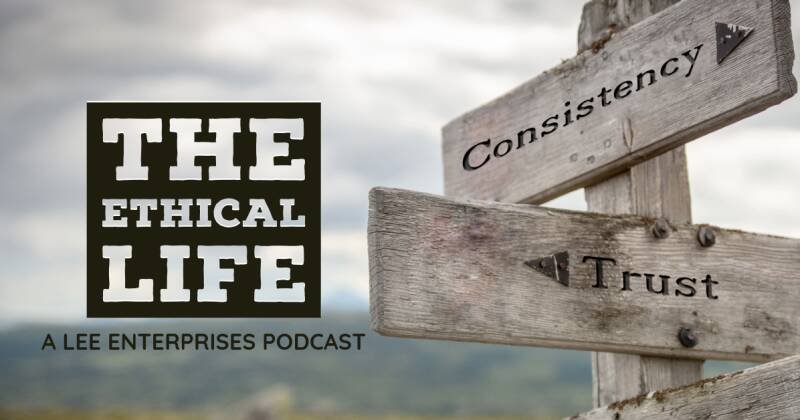
The "Ethical Life" podcast recently tackled a profound question: Have we reduced sacrifice to little more than a calculated trade-off? The conversation explored the nuances of sacrifice, examining everything from small family favors to the weighty decision of organ donation, probing what truly differentiates a simple transaction from an act of genuine generosity, deeply rooted in love, community, and a strong moral compass.
The Core Question: Generosity vs. Calculation
At the heart of the discussion is the idea that modern society often frames choices, even those involving selflessness, as cost-benefit analyses. We weigh the pros and cons, the potential gains and losses, before deciding whether to "sacrifice" something. But does this approach diminish the true essence of sacrifice, turning it into a mere exchange?
The podcast highlighted scenarios where sacrifice is expected, such as within families. Helping a sibling or parent may involve personal inconvenience or even financial strain. Are these acts of love and obligation, or are they simply fulfilling an unwritten agreement, a social contract that demands reciprocity?
More dramatically, the conversation addressed organ donation. Is the decision to donate an organ purely altruistic, or is there a subtle, perhaps subconscious, motivation tied to legacy, recognition, or even a desire to alleviate guilt? The podcast encourages listeners to consider these complex motivations behind seemingly selfless acts.
Why This News Matters
This discussion is significant because it forces us to confront uncomfortable truths about our own motivations. In a world increasingly driven by self-interest and economic efficiency, the idea of pure, selfless sacrifice feels increasingly rare. By examining the underlying factors influencing our decisions, we can strive for greater authenticity and cultivate a more compassionate society.
It also brings to the forefront the importance of community and moral purpose. When we feel connected to others and committed to a cause larger than ourselves, acts of sacrifice become less about personal loss and more about collective gain. This perspective can reshape our understanding of what it means to contribute and make a difference.
Our Analysis
In our opinion, the podcast raises valid concerns about the erosion of genuine generosity. While calculated decision-making is often necessary and even responsible, it shouldn't completely overshadow the importance of spontaneous kindness and unconditional support. A society that solely relies on transactional relationships risks becoming emotionally sterile and lacking in empathy.
The emphasis on "trade-offs" can, in our view, devalue the inherent worth of human connection and shared values. When every action is weighed against a personal benefit, we lose sight of the intrinsic satisfaction that comes from helping others simply because it's the right thing to do. This could impact how we form relationships, engage in civic duties, and respond to global crises.
Future Outlook
The future of sacrifice in our society hinges on our ability to cultivate a renewed sense of community and moral purpose. This requires a conscious effort to promote empathy, encourage acts of kindness, and challenge the prevailing culture of self-interest. Educational initiatives, community programs, and media campaigns can all play a role in fostering a more generous and compassionate society.
Furthermore, ethical frameworks that prioritize shared values and collective well-being need to be developed and implemented. This includes rethinking economic models, social policies, and even the way we measure success. By shifting the focus from individual gain to communal prosperity, we can create an environment where sacrifice is not seen as a loss, but as an investment in a better future.
This could impact the future of charitable giving, volunteerism, and even political engagement. A society that values genuine generosity is more likely to address social inequalities, support vulnerable populations, and work towards a more sustainable and equitable world. Ultimately, the future of sacrifice is intertwined with the future of humanity itself.