Affordable Housing Project in Lake Forest: A Community Solution
Lake Forest is transforming a former school into 120 affordable housing units. Learn about the impact, analysis, and future outlook of this $46 million project.
Affordable Housing Comes to Lake Forest: Former Elementary School Transforms into Apartments
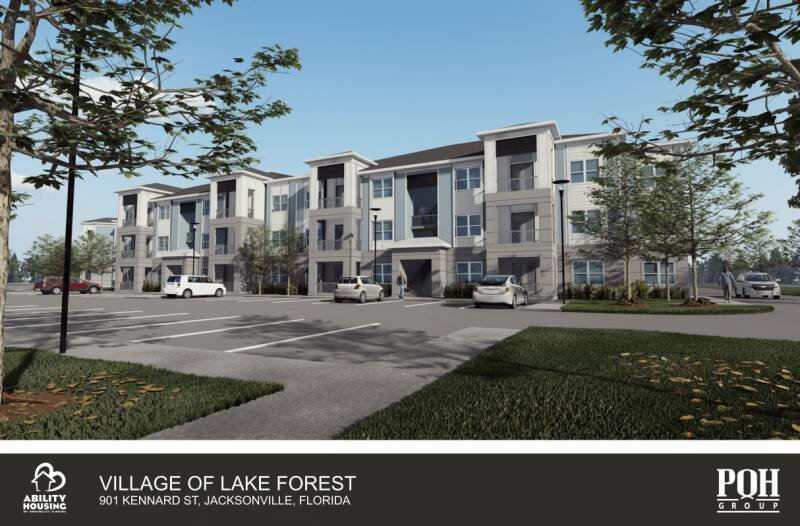
Lake Forest is tackling the affordable housing crisis head-on with an innovative project: converting the former Lake Forest Elementary School property into a 120-unit affordable housing complex. This $46 million initiative aims to provide much-needed housing options for the community, including a dedicated portion for school district employees.
Project Details: A Second Life for Lake Forest Elementary
The transformation of the old elementary school represents a creative solution to both land utilization and the pressing need for affordable housing. The project's scope includes:
- Construction of 120 apartment units
- Designated affordable rates for qualifying residents
- Prioritizing 25% of units for Lake Forest School District faculty and staff
This targeted approach aims to address the challenges teachers and other school personnel face in finding affordable housing near their workplace. High housing costs often force educators to commute long distances, impacting their quality of life and potentially affecting teacher retention rates.
Why This News Matters
This project is significant for several reasons. First, it demonstrates a proactive approach to addressing the nationwide affordable housing shortage on a local level. By repurposing existing infrastructure, Lake Forest is maximizing resources and minimizing environmental impact compared to building from scratch.
Second, dedicating a portion of the housing to school staff directly supports the education system. Ensuring teachers can live comfortably near their schools can lead to improved morale, reduced turnover, and a stronger sense of community. This, in turn, benefits the students and the overall quality of education.
Finally, this initiative could serve as a model for other communities facing similar challenges. Converting underutilized properties into affordable housing could become a valuable strategy for addressing housing shortages across the country.
Our Analysis
In our opinion, the Lake Forest project is a promising step in the right direction. The allocation of units specifically for school staff is a particularly insightful element. The struggle for teachers and school employees to afford housing in the communities they serve is a widespread issue, and this initiative directly addresses that.
However, the success of this project will hinge on several factors. It's crucial that the affordability criteria are carefully considered to ensure the units are truly accessible to those who need them most. Community engagement and transparency throughout the development process will also be vital to building support and addressing any potential concerns from residents. The cost, $46 million, also needs careful scrutiny to ensure responsible use of funds.
This could impact the overall cost of living in Lake Forest by providing more affordable options and influencing market dynamics. If successful, it may also inspire similar projects in surrounding areas.
Potential Challenges
* **Construction Delays:** As with any large construction project, delays are possible and could impact the timeline for residents moving in.
* **Community Concerns:** Addressing any concerns from nearby residents regarding increased traffic or changes in neighborhood character will be important.
* **Long-Term Affordability:** Ensuring the units remain affordable in the long term, even as property values fluctuate, is crucial.
Future Outlook
The completion and subsequent management of this project will be closely watched by other communities grappling with similar housing challenges. The results of the project, especially the impact on teacher retention and community well-being, will provide valuable insights for future affordable housing initiatives.
Looking ahead, Lake Forest should continue to explore innovative solutions to address the housing crisis. This might include further repurposing of existing infrastructure, exploring partnerships with developers, and advocating for policies that promote affordable housing development.
The conversion of Lake Forest Elementary School is more than just a construction project; it's a symbol of a community's commitment to creating a more equitable and sustainable future. It sets a positive precedent and hopefully paves the way for similar initiatives nationwide. In our opinion, the future is bright for Lake Forest and its dedication to helping its residents.