Wildlife in Your Backyard: Discovering Hidden Nature in Urban Gardens
Explore the surprising wildlife thriving in urban gardens. Learn how to identify species, understand their importance, and contribute to citizen science. Discover the hidden biodiversity in your own backyard!
Wildlife in Your Backyard: More Than Just Flowers and Veggies
We often think of nature as existing far away, in national parks and remote forests. But what if we told you that a vibrant ecosystem is likely thriving just outside your door, right in your urban garden? A recent observation highlighted by iNaturalist showcases this beautifully, reminding us to look closer at the natural world around us.
A Sunny Encounter: The New Zealand Grass Skink
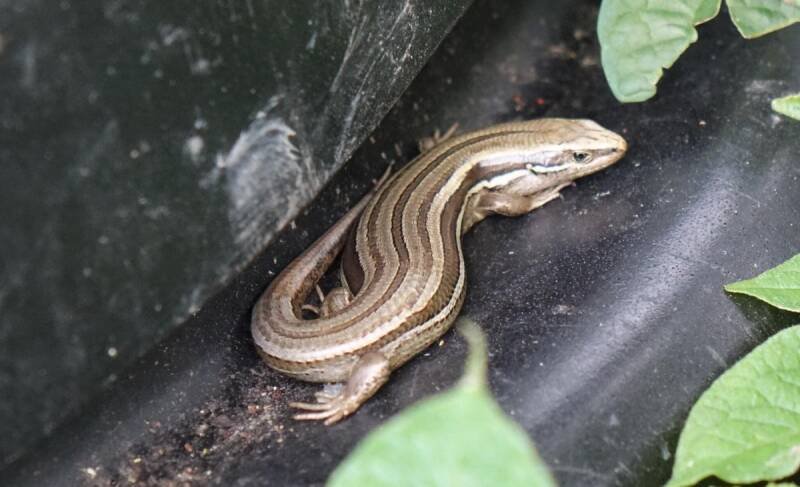
John Barkla, a keen observer of nature, recently spotted a New Zealand grass skink (Oligosoma polychroma) basking on the lid of his compost bin. This observation, documented on iNaturalist, serves as a testament to the hidden biodiversity within our urban environments. It's a reminder that even in densely populated areas, wildlife finds a way to adapt and thrive.
The New Zealand grass skink is a common lizard found throughout New Zealand. It's known for its variable colors and patterns, allowing it to blend seamlessly into its surroundings. Finding one in a garden is not uncommon, but it's still a rewarding experience, highlighting the importance of our backyards as havens for local fauna.
Why This News Matters
This seemingly small observation has significant implications. It underscores the vital role that urban gardens play in supporting local wildlife. By providing food, shelter, and breeding grounds, these green spaces become essential habitats for a variety of species, including insects, birds, and reptiles.
Furthermore, it highlights the power of citizen science. iNaturalist, a platform where individuals can record and share their observations of nature, is revolutionizing the way we understand biodiversity. By contributing their sightings, ordinary citizens like John Barkla are helping scientists track species distributions, monitor populations, and identify areas of conservation concern.
The Importance of Urban Green Spaces
In our opinion, urban gardens are crucial for maintaining healthy ecosystems in cities. They offer refuge for species displaced by development, provide corridors for wildlife movement, and contribute to overall environmental quality.
Our Analysis
The observation of the grass skink in a compost bin tells a story of adaptation and resilience. It suggests that this species is successfully navigating the challenges of urban life. It also indicates that the garden in question likely provides suitable habitat, including basking spots, foraging opportunities, and hiding places.
However, it's important to acknowledge that urban wildlife faces numerous threats, including habitat loss, pollution, and predation by domestic animals. Creating and maintaining wildlife-friendly gardens can help mitigate these threats and promote biodiversity.
What You Can Do: Creating a Wildlife-Friendly Garden
There are many ways to make your garden more inviting to wildlife:
- Plant native species: These plants provide food and shelter for local animals.
- Provide a water source: A bird bath or small pond can be a lifesaver, especially during dry periods.
- Avoid using pesticides: These chemicals can harm beneficial insects and other wildlife.
- Create shelter: Leave some areas of your garden undisturbed to provide hiding places for animals.
- Compost your kitchen scraps: This not only reduces waste but also creates a valuable source of nutrients for your garden.
Future Outlook
As cities continue to grow, the importance of urban green spaces will only increase. We predict a greater focus on creating wildlife-friendly environments in urban areas, including the integration of green infrastructure into building design and the promotion of community gardening initiatives.
This could impact the future of urban planning and conservation efforts. By recognizing the value of urban biodiversity and actively working to protect it, we can create more sustainable and resilient cities for both people and wildlife.
Ultimately, the simple act of observing a grass skink in a compost bin reminds us that nature is all around us, waiting to be discovered. By paying attention to the natural world in our own backyards, we can gain a deeper appreciation for biodiversity and contribute to its conservation.