Water Companies Face Record Criminal Probes Over Sewage Spills
UK water companies are under fire with a record number of criminal investigations into sewage pollution. Learn about the breaches, the potential impact, and what the future holds.



UK water companies are under fire with a record number of criminal investigations into sewage pollution. Learn about the breaches, the potential impact, and what the future holds.
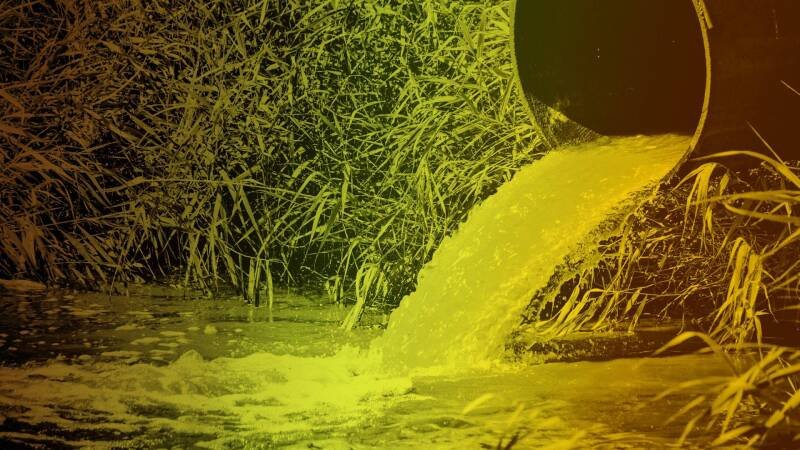
UK water companies are facing unprecedented scrutiny, with a record 96 criminal investigations launched against them. These investigations stem from concerns about widespread sewage spills and breaches of environmental regulations. The situation highlights a growing crisis in water management and raises serious questions about the industry's commitment to protecting the environment.
The sheer number of investigations is alarming. These probes are focused on potential violations of environmental permits, rules designed to prevent pollution and protect water quality. Shockingly, these companies breached their environmental permits over 4,400 times in 2023, demonstrating a systemic failure to comply with regulations.
This level of non-compliance paints a disturbing picture. The aging infrastructure of many water companies, coupled with increased rainfall and potentially inadequate investment in upgrades, is likely contributing to the problem. Sewage overflows are designed to release untreated wastewater into rivers and seas *only* during exceptional circumstances to prevent the system being overwhelmed, however, the number of releases indicate potential failures to properly manage their network or lack of proper investment.
This news matters for several critical reasons:
In our opinion, the scale of these investigations indicates a significant failure of regulation and oversight. While Ofwat, the water industry regulator, has the power to fine companies, the sheer number of breaches suggests that fines alone are not enough to deter illegal behavior. More stringent enforcement, including criminal prosecutions and potential jail time for executives, may be necessary.
Furthermore, there is a clear need for greater investment in upgrading water infrastructure. Many of the pipes and treatment plants are decades old and are simply not capable of handling the demands of a growing population and changing climate. Water companies must prioritize infrastructure improvements over shareholder dividends.
The existing fines handed out do not appear to be acting as a deterrent either. Although millions of pounds worth of fines have been issued in recent years, the cost-benefit analysis still appears to be in favour of breaching permits, and paying the fines afterwards. In our opinion, the cost of a breach should be far higher than it is currently.
The future outlook for water quality in the UK hinges on several factors:
This could impact the share price of water companies, particularly if they face large fines or are forced to invest heavily in infrastructure upgrades. This could also lead to pressure on the government to take action to address the problem. A long-term solution requires a coordinated effort from government, regulators, and water companies to prioritize environmental protection and ensure clean water for all.
Ultimately, the ability of water companies to demonstrate a genuine commitment to environmental stewardship will determine their long-term success and the health of UK waterways.