Utah Voter Information Public: What It Means For You
Utah is making voter registration information public. Learn who is affected, who can get exemptions, and why this matters. Our analysis and future outlook included.



Utah is making voter registration information public. Learn who is affected, who can get exemptions, and why this matters. Our analysis and future outlook included.
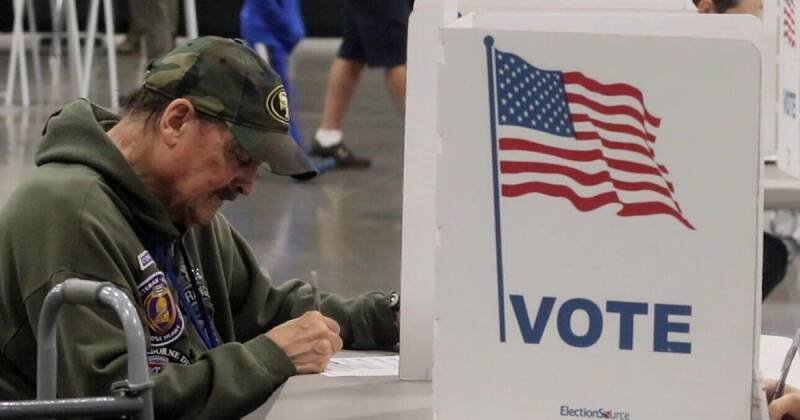
The Utah Lieutenant Governor's office is preparing to release voter registration information to the public, impacting over 300,000 registered voters in the state. This decision, made by Lieutenant Governor Deidre Henderson, means that certain personal details, currently shielded, will become accessible to anyone willing to pay a fee to access the state's voter rolls.
While the specific details haven't been exhaustively listed in initial reports, it's likely to include information such as your name, address, voting history (which elections you participated in), and party affiliation. This information is currently used for various purposes, including political campaigning and jury selection.
This change affects over 300,000 Utah voters, meaning a significant portion of the state's electorate. If you're registered to vote in Utah, it's highly probable that your information will be part of this public data release.
Recognizing the potential risks, the Utah Lieutenant Governor's office is offering exemptions to certain individuals. This is primarily intended to protect those whose safety could be compromised by having their address publicly available. This includes law enforcement officers, judges, and those who have experienced domestic violence.
These individuals can apply for an exemption, shielding their information from the publicly accessible voter rolls. The process for applying for an exemption has not been fully detailed in initial reporting, but it’s expected to involve demonstrating a credible threat to their safety or well-being.
This decision to make voter information public raises important questions about privacy, election security, and the balance between transparency and individual safety. Public access to voter rolls is intended to promote transparency and accountability in elections. However, it also creates potential risks, including:
The availability of exemptions is a positive step, but it's crucial that the process is accessible and well-publicized to ensure that those who need protection can obtain it easily.
In our opinion, the decision to release voter information to the public requires careful consideration and a robust framework for protecting vulnerable individuals. While transparency is important, it shouldn't come at the expense of personal safety and privacy. The effectiveness of the exemption process will be key to mitigating the risks associated with this change.
It's also important to scrutinize how this data is used. Will there be restrictions on how the information can be accessed and utilized? Will there be penalties for misusing voter information? These are critical questions that need to be addressed to safeguard the integrity of the election process and protect Utah voters.
This situation is evolving. We expect further clarification from the Lieutenant Governor's office regarding the exemption application process and the specific safeguards in place to protect voter data. This could impact voter confidence if the process isn't handled well. Increased public awareness and advocacy will be crucial to ensure that voter privacy is protected while maintaining transparency in the electoral process.
Moving forward, it's essential for Utah lawmakers to consider legislation that balances transparency with the need to protect voter privacy. This could involve implementing stricter regulations on the use of voter data, strengthening the exemption process, and exploring alternative ways to promote election transparency without compromising individual safety.