US Job Growth Surges in March Amidst Iran War Concerns - An In-Depth Analysis
US job growth rebounded in March, but escalating tensions with Iran pose a significant risk. We break down the numbers, analyze the implications, and look at the future outlook.
US Job Growth Surges in March, But Iran War Looms Large
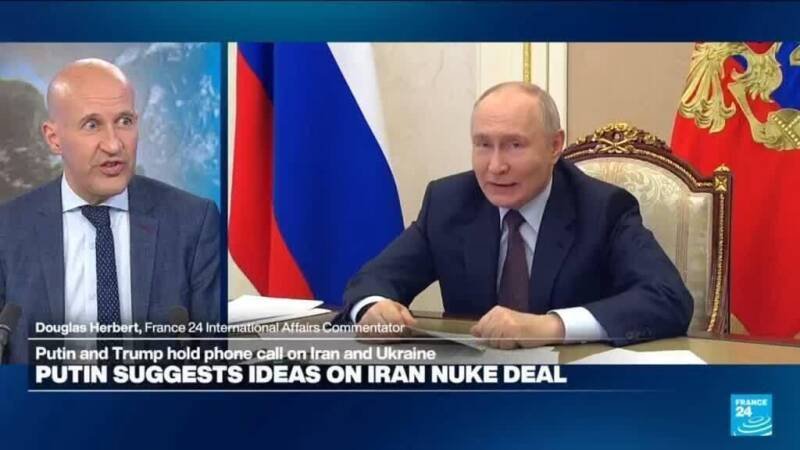
The latest jobs report from the U.S. shows a surprisingly strong rebound in March, offering a temporary sigh of relief after recent economic uncertainty. However, underneath the positive headline lies a growing concern: the potential impact of escalating tensions and a possible war with Iran.
March Job Growth: A Closer Look
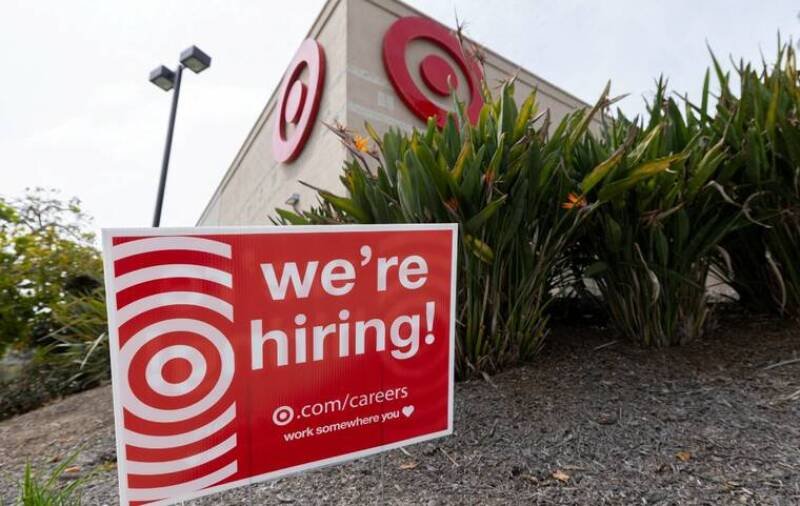
The March jobs report indicates a significant increase in employment figures compared to previous months. This surge can be attributed, in part, to the resolution of a healthcare worker strike, which temporarily boosted the numbers. Warmer temperatures also played a role, allowing for increased activity in sectors like construction and outdoor services.
These factors created a favorable environment for job creation, exceeding expectations and providing a much-needed boost to the U.S. economy. But can this momentum last?
Why This News Matters
This news is crucial for several reasons. Firstly, a strong jobs report typically signals a healthy economy, boosting consumer confidence and encouraging investment. However, the looming threat of war with Iran casts a shadow over this positive outlook.
Secondly, the labor market is often a leading indicator of economic health. Any significant disruption, such as a major geopolitical conflict, could quickly reverse the gains made in recent months. This is why understanding the potential impact of the Iran situation is paramount.
Our Analysis
While the March jobs report offers a positive snapshot, we believe it's crucial to approach the data with caution. The one-off factors like the resolved strike and warmer weather present a somewhat inflated picture. A more sustainable, consistent growth pattern is what the economy needs, and right now, that is jeopardized.
The potential conflict with Iran represents a significant downside risk. A prolonged war could lead to increased oil prices, disrupted supply chains, and a decrease in consumer spending. This would undoubtedly impact the labor market, potentially leading to job losses and a slowdown in economic growth. In our opinion, policymakers need to carefully consider the potential consequences before engaging in any military action.
The Iran Factor: A Detailed Breakdown
Let's look at how a war with Iran could specifically affect the US economy:
- Oil Prices: Iran is a major oil producer. Conflict could disrupt supply, causing prices to skyrocket.
- Supply Chains: Geopolitical instability disrupts international trade and production.
- Consumer Confidence: War creates uncertainty, making people less likely to spend.
- Government Spending: War diverts resources from domestic programs to military operations.
All of these factors have a negative impact on overall employment numbers in the US.
Future Outlook
The future of the U.S. labor market is uncertain. While the March jobs report is encouraging, the escalating tensions with Iran represent a significant threat. A peaceful resolution to the conflict is essential for maintaining economic stability and ensuring continued job growth. Without this, a recession becomes increasingly likely.
Looking ahead, we anticipate increased market volatility as investors react to the unfolding situation. Companies may delay investment decisions, and consumers may become more cautious with their spending. This could impact hiring plans and slow down the pace of job creation. This could impact everything from major factory projects to the opening of new local retail locations. The ripples would spread far and wide.
Recommendations
We recommend the following in response to this situation:
- Cautious Investment: Businesses should proceed with caution, assessing and adapting their plans according to developments with Iran.
- Contingency Planning: Prepare for the possibility of a downturn, stress testing for supply-chain disruptions and other issues.
- Diplomacy: Support diplomatic efforts to de-escalate tensions and prevent a war.
Ultimately, the fate of the U.S. labor market hinges on the ability to navigate the geopolitical landscape and avoid a major conflict. This is a tightrope walk, and the stakes are incredibly high.