BC Ferry Dispute: Will Inland Ferries Be Declared Essential?
The Regional District of Central Kootenay, BC is pushing to declare inland ferries an essential service to prevent future work stoppages. Explore the implications and potential outcomes.
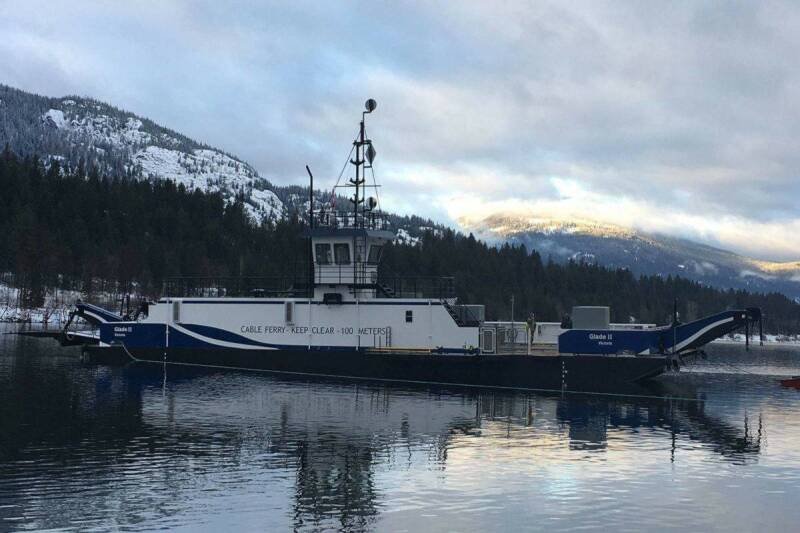



The Regional District of Central Kootenay, BC is pushing to declare inland ferries an essential service to prevent future work stoppages. Explore the implications and potential outcomes.
The Regional District of Central Kootenay (RDCK) in British Columbia is facing a critical decision regarding the status of its inland ferry services. Currently, these vital transportation links are susceptible to work stoppages, causing significant disruption to residents and businesses. The RDCK is actively exploring avenues to designate these ferries as an essential service, a move aimed at ensuring consistent and reliable operation.
Inland ferries in the Central Kootenay region are more than just a convenience; they're a lifeline. Many communities rely on these ferries for access to essential services like healthcare, education, and commerce. Any interruption in service can have a profound impact on the lives of residents and the economic well-being of the region.
The RDCK's push for essential service status stems from a desire to prevent future labour disputes from crippling these crucial transportation routes. By declaring the ferries essential, the RDCK hopes to establish a framework that guarantees continued operation even during negotiations or disagreements between ferry operators and their employees.
This news has far-reaching implications for the residents and businesses of the Central Kootenay region. Declaring inland ferries as an essential service could:
In our opinion, the RDCK's initiative is a pragmatic response to the challenges posed by potential work stoppages. The benefits of ensuring reliable ferry service outweigh the potential drawbacks of limiting the right to strike. However, it's crucial that any designation of essential service status is accompanied by a fair and transparent process that respects the rights of ferry workers.
The key question is how the essential service designation would impact labour negotiations. Would it lead to a more collaborative bargaining process, or would it create resentment and further complicate labour relations? These are crucial considerations that the RDCK must address.
Furthermore, it's important to consider the financial implications. Maintaining essential service during a labour dispute may require additional resources, and the RDCK needs to have a plan in place to cover these costs without overburdening taxpayers.
The future of inland ferry services in the Central Kootenay region hinges on the RDCK's ability to navigate the complexities of declaring an essential service. Key factors to watch include:
This could impact how the whole of British Columbia views essential services in rural and remote areas.
Ultimately, the success of this initiative will depend on the RDCK's ability to strike a balance between ensuring reliable ferry service and respecting the rights of workers. A collaborative and transparent approach will be key to achieving a positive outcome for all stakeholders.