BC Ferry Dispute: Understanding the Stalemate and Its Impact
A deep dive into the British Columbia regional district's ferry dispute, exploring the reasons for the stalemate, the potential consequences, and the future outlook for inland ferry services.
BC Ferry Dispute: Understanding the Stalemate and Its Impact
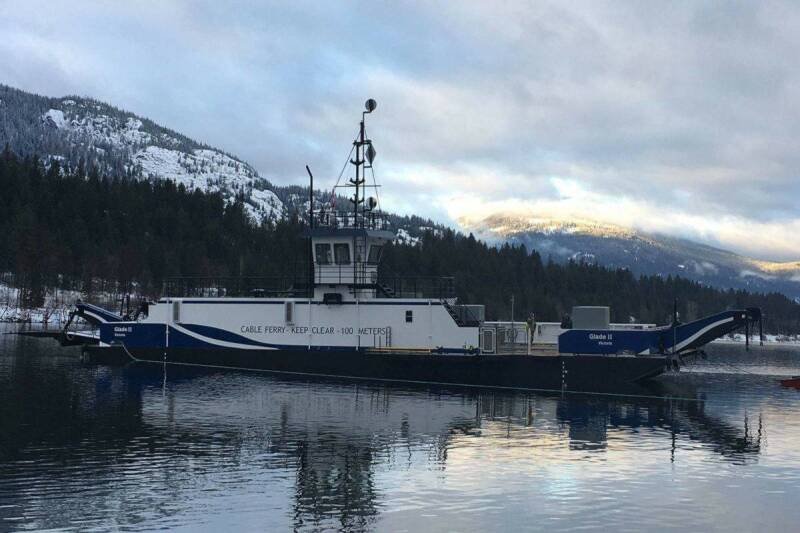
A dispute in the Regional District of Central Kootenay (RDCK) in British Columbia is causing headaches. The RDCK is pushing to designate inland ferries as an "essential service," but negotiations have hit a wall. This could have significant consequences for residents who rely on these ferries for daily life.
The Heart of the Matter: Defining "Essential"
The RDCK wants to avoid future disruptions to ferry service, especially those caused by potential labor disputes. Designating ferries as essential means strikes could be limited, ensuring consistent service for residents. The problem? Defining what constitutes "essential" and agreeing on the terms of such a designation is proving difficult.
Currently, when ferry workers strike, it can leave communities stranded. This is particularly challenging in remote areas where ferries are the primary mode of transportation for accessing essential services like healthcare, groceries, and schools.
Why This News Matters
This isn't just a local issue. It highlights the complexities of balancing labor rights with the needs of communities that depend on critical infrastructure. If the RDCK succeeds, it could set a precedent for other regions facing similar challenges. A potential work stoppage could severely impact:
- Access to essential services: Healthcare, emergency services, and basic necessities.
- The local economy: Businesses relying on ferry traffic could suffer.
- Daily life for residents: Commuting to work, school, and appointments becomes difficult or impossible.
Our Analysis
In our opinion, the RDCK has a valid point. For many residents, inland ferries are not a luxury, but a vital lifeline. However, simply declaring them "essential" without addressing the concerns of ferry workers isn't a solution. Fair compensation and working conditions must be part of the equation.
The government also needs to step up and provide adequate funding to support these essential services. Underfunding contributes to the pressure on both the RDCK and the ferry workers, making negotiations even more challenging. A potential solution could be to explore creative funding models or partnerships that ensure long-term sustainability.
Future Outlook
The future of this dispute remains uncertain. Key areas to watch include:
- Negotiations: Will the RDCK and the union representing ferry workers find common ground?
- Government involvement: Will the provincial government intervene to mediate or provide additional resources?
- Community impact: How will residents be affected if the stalemate continues or a work stoppage occurs?
This situation underscores the importance of proactive planning and open communication. It's crucial that all parties involved prioritize the needs of the communities that depend on these vital ferry services. Failure to do so could have lasting consequences for the region.
This could impact the local economy negatively as tourism accounts for a large percentage of annual revenue. Without a firm plan in place, the people suffer.
Potential Resolutions
While difficult, potential resolutions include a third party mediator, government intervention with financial relief for both sides, or a new approach to collective bargaining focused on public safety.