US Extends Lukoil Asset Sale Deadline: What It Means for the Energy Market
The US extends the deadline for Lukoil to sell international assets. Explore the reasons, implications, and future outlook for the energy market.



The US extends the deadline for Lukoil to sell international assets. Explore the reasons, implications, and future outlook for the energy market.
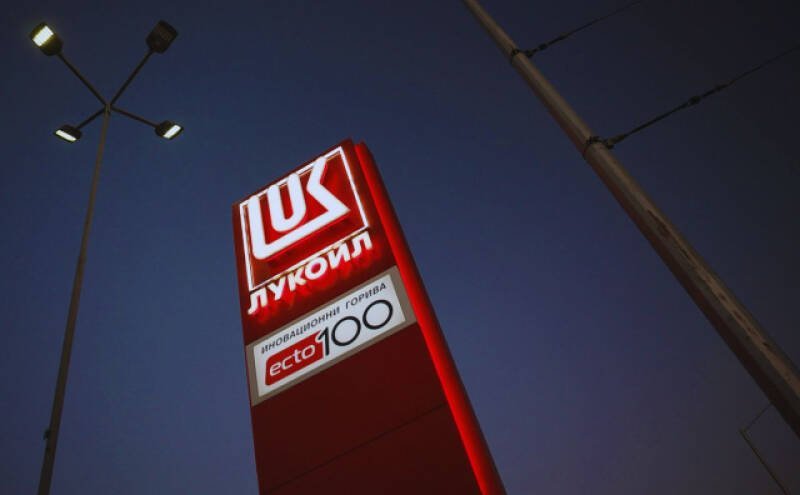
The United States government has once again extended the deadline for companies looking to buy Lukoil's assets outside of Russia. This latest extension, granted through a new license, gives potential buyers until May 1st to finalize negotiations and due diligence. This isn't the first time the deadline has been pushed back, marking the fourth such extension.
According to reports and documents from the US Treasury Department's Office of Foreign Assets Control (OFAC), this extension, labeled General License 131D, allows interested parties to continue discussions with Lukoil. This includes things like:
In essence, the US is giving potential buyers more time to thoroughly examine Lukoil's international holdings and put together solid offers.
This extension highlights the complex geopolitical situation surrounding Russian energy companies. Lukoil, while a private company, is nonetheless affected by sanctions and international pressure related to the conflict in Ukraine. The sale of its international assets represents a significant restructuring, with potentially large implications for the global energy market. A smooth sale would allow these assets to continue operating under new ownership, ensuring supply stability. A failed sale, or a problematic transition, could lead to disruptions.
For the energy industry, this is a critical issue. Lukoil's international assets are likely substantial and contribute to global oil and gas production. Their future ownership will influence energy flows and potentially pricing. Investors and analysts will be watching closely to see who ultimately acquires these assets and what strategies they implement.
The continued extensions suggest that finding a suitable buyer for Lukoil's international assets is proving difficult. This could be due to several factors:
In our opinion, the US government likely wants to ensure a responsible transfer of these assets to maintain global energy supply. They are willing to grant extensions to facilitate a smoother process, avoiding potential disruptions that could negatively impact the market. It's a balancing act between applying pressure on Russia and ensuring energy security.
The next few months will be crucial in determining the fate of Lukoil's international assets. The May 1st deadline is looming, and interested parties will need to accelerate their negotiations. Several possible scenarios could play out:
This could impact the future strategy of other multinational corporations with operations inside Russia. This will affect the global landscape of the energy market.
The situation remains fluid, and the ultimate outcome will depend on a complex interplay of geopolitical factors, financial considerations, and strategic decisions by the involved parties. We will continue to monitor the situation closely and provide updates as they become available.