Typhoon Sinlaku: Guam Military Bases Prepare for Impact
Joint Region Marianas sets TCCOR 3 as Typhoon Sinlaku approaches Guam. Learn about the potential impact, military preparations, and future outlook.



Joint Region Marianas sets TCCOR 3 as Typhoon Sinlaku approaches Guam. Learn about the potential impact, military preparations, and future outlook.
The Joint Region Marianas (JRM) is taking proactive steps to ensure the safety of personnel and infrastructure as Typhoon Sinlaku approaches Guam. At 10 p.m. tonight, JRM will set Tropical Cyclone Condition of Readiness (TCCOR) 3 for all military installations on the island.
TCCOR, or Tropical Cyclone Condition of Readiness, is a system used by the U.S. military to indicate the level of preparedness required in the face of an approaching tropical cyclone. Different TCCOR levels trigger specific actions designed to protect people and property. TCCOR 3 signifies that destructive winds (winds of 50 knots or greater) are possible within 48 hours. This level requires military personnel to begin taking precautionary measures.
Actions taken under TCCOR 3 typically include:
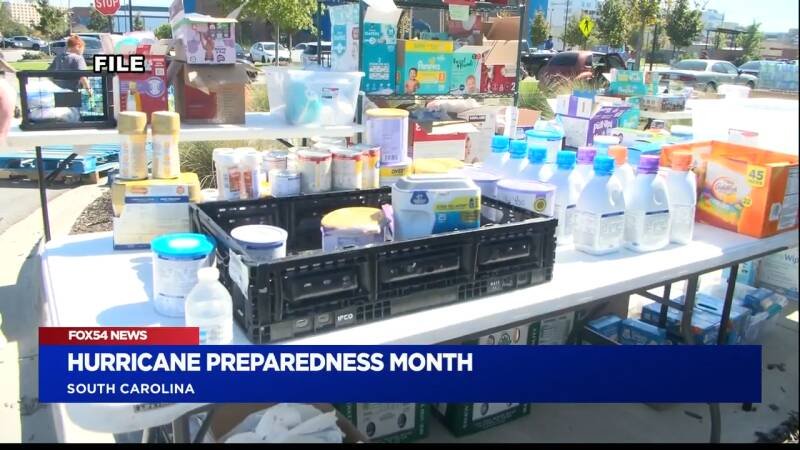
Typhoons are a serious threat in Guam, and timely preparation is crucial. Setting TCCOR 3 allows military personnel and their families adequate time to prepare for the potential impact of Typhoon Sinlaku. Failing to prepare adequately can lead to property damage, injuries, or even loss of life. The JRM's decision to elevate the readiness level demonstrates their commitment to the safety and well-being of their personnel.
The economic impact is also significant. Severe weather can disrupt military operations and cause costly repairs to installations. Advance preparation helps mitigate these risks.
In our opinion, JRM's proactive approach is commendable. Setting TCCOR 3 well in advance of the anticipated arrival of destructive winds allows for a more coordinated and effective response. This contrasts with waiting until the last minute, which can lead to panic and inefficiency.
The timing of this announcement also allows residents of Guam, both military and civilian, to be aware of the potential threat and take their own precautionary measures. We believe that clear communication and transparency are essential during times of crisis.
The future track and intensity of Typhoon Sinlaku will determine the full extent of its impact on Guam. It's crucial to continue monitoring updates from the National Weather Service and other reliable sources. This could impact day to day life and military operations if Sinlaku strengthens.
If Sinlaku intensifies or changes its course, JRM may elevate the TCCOR level further. Higher TCCOR levels would trigger more stringent preparedness measures, such as sheltering in place or evacuating to designated safe havens.
Looking ahead, it is likely that the military will increase investment in resilient infrastructure and disaster preparedness programs. Climate change is projected to increase the frequency and intensity of extreme weather events, making preparedness an ongoing priority. It is also worth noting that the lessons learned from each typhoon event are used to improve future response efforts.
This event serves as a reminder of the importance of being prepared for natural disasters, especially in vulnerable regions like Guam. Taking proactive steps to protect lives and property is essential for mitigating the potential impact of future typhoons.