Trump's Iran Stance Threatens NATO: A Deep Dive
Explore how Trump's anger over Iran is straining NATO, potentially impacting European security and the future of the alliance. Get analysis, context, and expert opinions.
Trump's Iran Anger Fuels NATO Crisis: What's Really Going On?
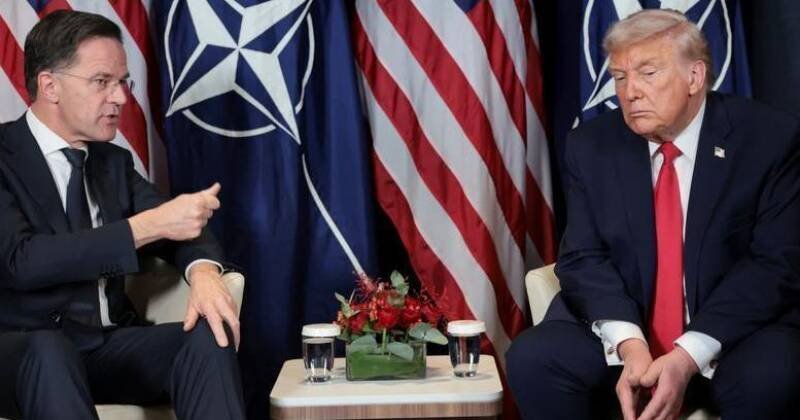
The North Atlantic Treaty Organization (NATO), a cornerstone of Western security for over 70 years, is facing a new challenge. This time, the threat isn't a traditional adversary like Russia, but internal friction stemming from former President Trump's strong views on Iran. His recent comments have sparked worries among European allies about the future of U.S. commitment to their defense. This isn’t just about politics; it’s about the very foundation of collective security.
The Spark: Trump's Stance on Iran
The core of the issue revolves around differing perspectives on Iran. While European nations have largely stuck with the Iran nuclear deal (JCPOA) – an agreement aimed at preventing Iran from developing nuclear weapons – Trump withdrew the U.S. from it in 2018. He argued the deal was flawed and that Iran was still a threat to regional stability. This difference in opinion has created a rift, especially considering the Article 5 commitment.
Article 5 and the Fear of Abandonment
Article 5 of the NATO treaty is the heart of the alliance. It states that an attack on one member is considered an attack on all. This "one for all, all for one" principle has deterred aggression for decades. However, Trump's past questioning of NATO's relevance and his skepticism about automatic defense commitments have fueled fears that the U.S. might not come to the aid of European allies if they were attacked, especially in a scenario involving Iran. Would the U.S. risk war for a European ally if the conflict stemmed from actions related to Iran, a nation Trump sees as a major threat? That is the big question.
Why This News Matters
This isn't just political drama; it has real-world implications. A weakening of NATO undermines the collective security of Europe and, by extension, the United States. If European nations feel they can't rely on U.S. support, they might be forced to increase their own defense spending, potentially leading to an arms race. More importantly, a fractured NATO emboldens adversaries like Russia, who could exploit the divisions to further their own geopolitical goals.
Our Analysis
In our opinion, Trump's approach to Iran, while driven by a desire to protect U.S. interests, has inadvertently created a dangerous situation for NATO. His rhetoric, even after leaving office, continues to cast a shadow of doubt over the U.S.'s commitment to its allies. The key issue is trust. NATO relies on the trust and mutual assurance of its members. Eroding that trust, even through words, has a tangible impact on the alliance's effectiveness. The other NATO nations may be less likely to listen to US leadership in the future. This could impact future US policy decisions and international relations.
The Risk of a "Two-Speed" NATO
One concerning scenario is the emergence of a "two-speed" NATO, where some members are more committed to the alliance than others. If some European nations feel abandoned by the U.S., they might forge closer defense ties with each other, potentially creating a sub-alliance within NATO. This could further fragment the alliance and weaken its overall effectiveness.
Future Outlook
The future of NATO hinges on rebuilding trust and finding common ground on issues like Iran. Here are a few potential paths forward:
* **Renewed Dialogue:** Increased communication and dialogue between the U.S. and its European allies are crucial. This includes addressing concerns about Iran and reaffirming the U.S.'s commitment to Article 5.
* **Burden Sharing:** A fairer distribution of defense spending among NATO members could alleviate some of the tensions. European nations need to demonstrate a willingness to invest more in their own defense.
* **Strategic Reassessment:** A comprehensive reassessment of NATO's strategic priorities is necessary to adapt to the evolving geopolitical landscape. This includes addressing new threats, such as cyber warfare and hybrid warfare.
Ultimately, the strength of NATO depends on the unity and resolve of its members. Overcoming the current challenges requires strong leadership, open communication, and a renewed commitment to the principles of collective security.